
The Indian stock markets have extended their losing streak for the fourth day of trading in a row as global crude oil prices increase and foreign fund outflows and a chill in global markets continue to hurt investors’ confidence. This reflected growing worries that higher energy costs are increasing inflationary pressure on corporate profits and could put pressure on the sector in the months ahead and the economy.
Both the BSE Sensex and NSE Nifty 50 were down through the session and the stocks of banking, automobiles, information technology, metals, and consumer goods were in bear market mode.
Crude oil prices are driving market weakness
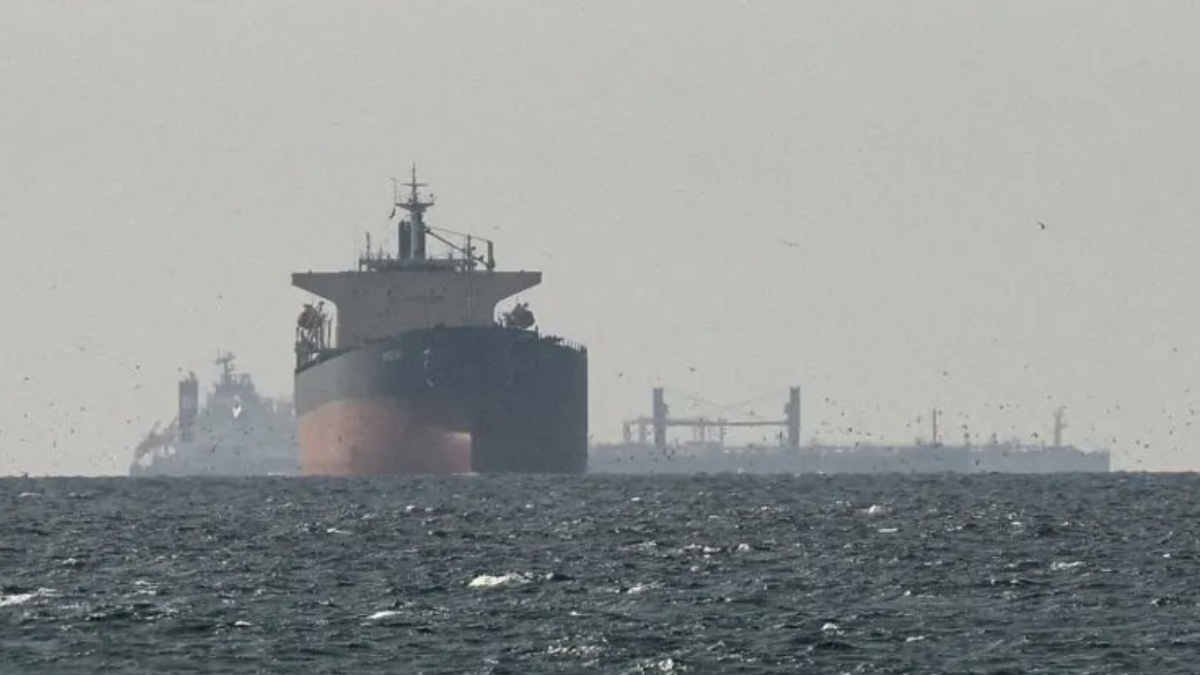
One of the reasons for the market decline was the steady rise in international crude oil prices. India imports almost 85% of its crude oil needs and the domestic economy is highly dependent on fluctuations in global energy prices.


Higher crude prices generally increase the country’s import bill and can contribute to inflation by raising transportation, manufacturing, and logistics costs. Rising fuel expenses do affect businesses in various sectors and investors have to reassess expectations for listed companies.
Market experts think if oil prices remain elevated the longer rates remain high, in the long run, inflation will also affect monetary policy as well, which means inflation may hold back on interest rate cuts or lead to tighter financial conditions and therefore may also lead to tighter financing conditions.
Foreign Investors Remain Cautious
Foreign Portfolio Investors (FPIs) remain cautious in the face of economic uncertainty. Persistent selling by overseas investors is one of the key reasons for recent market wild swings.
Global investors have been closely monitoring geopolitical developments, inflation trends, and central bank policy signals and watching for developments before making fresh investments in emerging markets such as India.
Even with domestic institutional investors providing some support, the pressure of foreign selling continued to keep benchmark indices under pressure.
Sector-Wise Performance
Most of the sectoral indices ended the session in the red.


The banking sector booked profit after a recent upswing, and automobile companies were under pressure for the same as the price increases could cause a drop in vehicle demand.
Information technology stocks also fell on a cautious global mood in markets, with investors assessing demand trends in key overseas markets.
In oil marketing companies’ stock markets, oil marketing companies saw mixed trading, with investors considering the impact of higher crude prices on refining margins and retail fuel prices.
But some energy exploration firms and upstream oil firms saw much better results as high crude prices might have a positive effect on their revenues.
The global markets affect domestic trading
In addition to crude oil prices, weak signals from international markets also impacted domestic stocks. Investors in global markets were still focused on inflation data, economic growth data, and geopolitical news that continue to make financial markets uncertain.
The world economy was also in quiet and the market has been waiting for new economic data and policy updates from central banks.
That volatility is likely to continue until the inflation trends, oil prices, and global monetary policy are more clear, market participants said.
Rupee Under Pressure
The Indian rupee also kept under pressure against the US dollar as higher crude prices increased demand for foreign currency among oil importers.
A weaker rupee may also lead to higher import costs especially for crude oil, electronic goods, and industrial raw materials. Currency fluctuations continue to be at the core of investor sentiment in domestic stock markets.
Analysts Advise Long-Term Perspective
Despite the recent turbulence of the markets, market analysts continue to believe the Indian stock market is good for the long term. The strong economic conditions in India, strong domestic consumption demand, good corporate earnings, and ongoing infrastructure investment support long-term growth prospects we still see for India, they say.
Retail investors should also avoid panic selling when volatility is high and instead look for good companies with solid balance sheets and stable earnings growth, according to analysts and financial experts.
Financial planners and asset managers also recommend having a diversified portfolio across the sectors and asset classes to reduce risk in uncertain markets.
What Investors Should Watch Next
On the whole, investors will be closely monitoring a number of factors going forward, including international crude oil prices, inflation data, quarterly corporate earnings, foreign institutional investment flows, and policy announcements from major central bank policymakers.
The domestic macroeconomic indicators such as industrial production, GST collections, and manufacturing activity will also provide important clues for the health of the Indian economy.
If oil prices keep rising, sectors that depend on fuel and transportation costs could be under pressure. On the other hand, if global commodity prices were to wane or foreign investment flows were to improve, the market mood would be restored.
Although the four-day losing streak has rattled investors, analysts say short-term volatility is normal in stock markets. India’s economic expansion story remains strong on the back of government investment in capital expenditure, manufacturing growth, digital transformation, and consumer demand.
Retail investors should look for time in the long term in those times of market correction to accumulate technically solid stocks at low prices and a good valuation. But one should make a decision based on one's personal financial needs, risk appetite, and research, not on short-term market movements, they say.









Comments
Please to leave a comment on this article.