
Trading is fun especially when the markets are moving fast but too many trades can become a costly habit. Such behaviour is commonly known as ‘overtrading’ that is, traders are in and out of the market more frequently than they actually should.
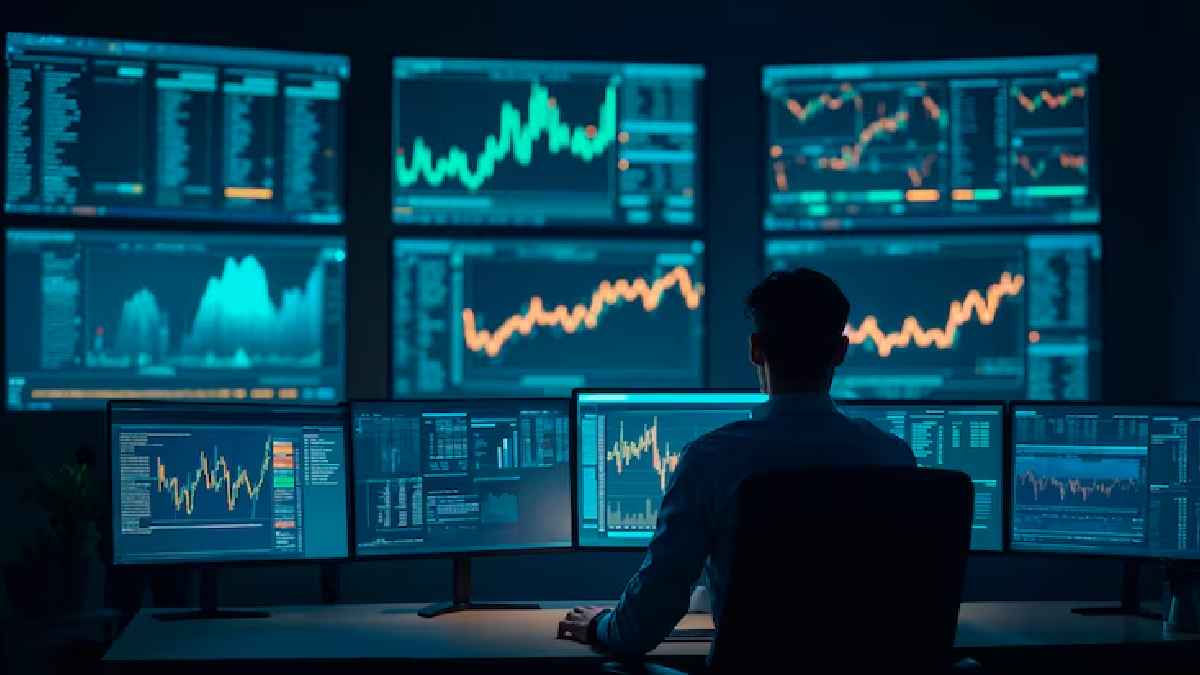
Overtrading is often motivated by emotions instead of a trading plan. When a trader loses money, they might feel the urge to recover the money immediately.
After a trade has made money, the excitement that the money is in hand is infectious and the trader may take unnecessary positions. In both cases, an impulsive decision is made.
The first step toward avoiding overtrading is to have a clear trading plan. Before entering a position, know what you are looking for, where you will enter, where you will leave, and how much you are willing to trade. Having these rules written down makes it easier to avoid trades that do not match your strategy.
Another good option is to set a daily or weekly trade limit. There is no rule that a trader must trade every day. If there is no opportunity in the market, it can be a good decision to stop. Quality setups are mostly more important than the number of trades.
A trading journal can also reveal patterns of excessive trading. Each trade might be about fear, boredom, frustration, desire for revenge, or the desire to regain lost money, and how you felt when you first entered the trade. You will be able to see if some trades were triggered by fear, boredom, frustration, or the desire to recover losses after a few weeks.
Risk management is equally important for traders. Traders need to assess the risk prior to placing an order rather than making the decision during an unstable market. Pre-set stop-loss levels and position sizes are important to control emotions.
It is also important to ‘take breaks after major losses.’ A series of unsuccessful trades can make it hard to get the money back quickly. Stepping away from the screen gives emotions time to settle down and reduces the chance of revenge trading.
Technology too can create overtrading. Constant monitoring of price movement, alerts, and market commentary can make traders feel like there is always an opportunity. If traders can limit screen time and keep track of markets at certain intervals, they would be able to focus on their strategy.
Finally, recall that not trading is also a decision. Opportunities are always available, but not every price move is good for us. Trading is not so much about being active all the time, but rather about following a consistent process.
Ignoring overtrading doesn’t mean avoiding the market. It means being selective, managing risk, and making decisions based on a pre-determined strategy rather than just feelings. And if you want to build consistency in your trades, patience can be just as important as finding the next trade.





Comments
Please to leave a comment on this article.