
HDFC Bank, the country’s leading private sector lender, fell nearly 2 per cent in late trading today, putting pressure on a stock already on a backsliding path. It came at a time when the market was lagging in general (and with a leadership in place), and legal uncertainty is still weighing on investor sentiments in the last few weeks.
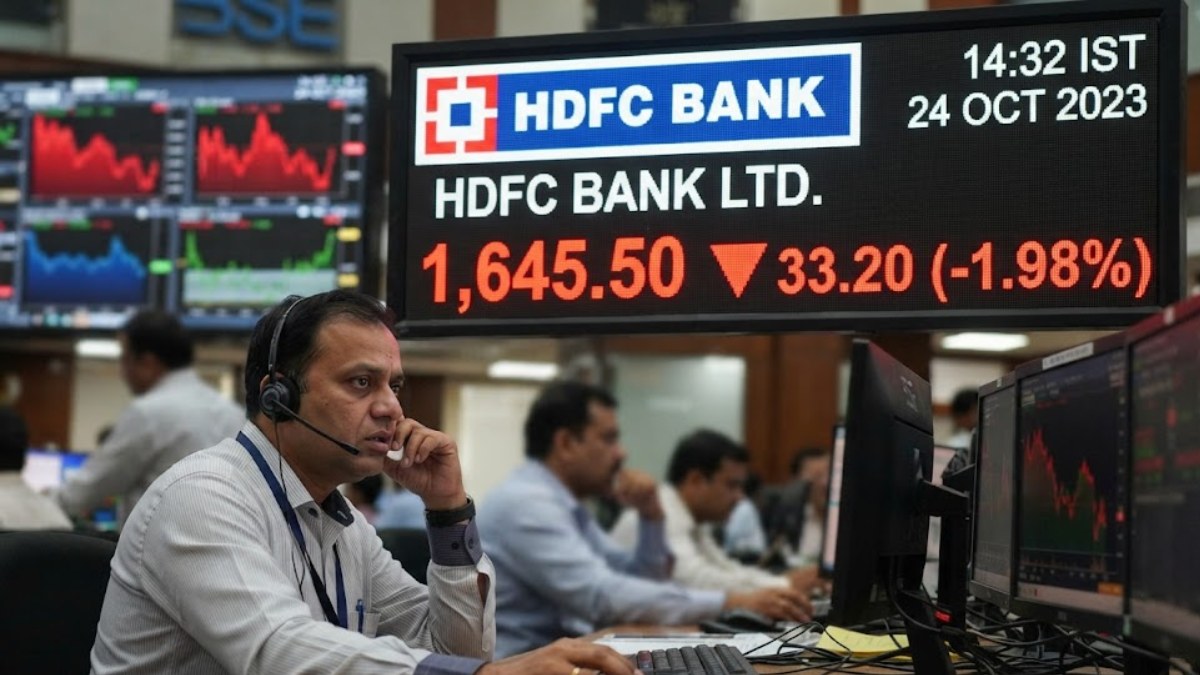
The rest of the market fell behind the stock market, and the Sensex and Nifty indices fell sharply. Analysts attributed the weakness to rising geopolitical tensions in the Middle East as crude oil prices soared to more than $95 and inflation and growth fears took centre stage. The stock market was also depressed by a sell-off of banking and financial stocks.
Although the overall market mood was not as robust, HDFC Bank-specific issues remained a big concern for investors. The top concern is the bank’s leadership transition. There were recent reports that CEO Sashidhar Jagdishan will step down when his current term ends in October 2026 and that there is uncertainty in the future of the bank's leadership and strategy. Investors want to know who is going to be in the position to run the bank, especially in a bank of this size and importance.

In addition to the leadership problems, the bank is also challenged in the United States for legal reasons. A proposed class-action lawsuit charges that the lender and some executives failed to disclose information on governance and deposit-related matters. HDFC Bank has vehemently denied the allegations and said it will defend itself vigorously. But the legal challenges are creating a lot of anxiety among investors and leading to the stock’s recent slide.
So far in 2026, the stock has been lagging the broader market. HDFC Bank shares had already fallen to multi-year lows and were down significantly from its 52-week high in October 2025. Foreign portfolio investors have also pulled back in recent quarters, adding to concerns about investor confidence.
Market professionals have said HDFC is still one of India’s largest banks with a large retail banking operation and branch network in place and a strong market share. But investors will be interested in the legal situation and regulatory issues and the selection of a new chief executive. If nothing more happens, then the stock will be buoyed by such clarification.

The combination of market-wide risk aversion, rising oil prices, leadership uncertainty, and legal uncertainty appears to be the main reason behind the nearly 2 per cent decline in HDFC Bank shares. Volatility may be more likely to persist in the short term until everything is clear in terms of these issues.





Comments
Please to leave a comment on this article.