
I also believe there are some users who have come to STOCKS, a parody-style stock market launchpad, that is starting to get attention as well from people who are tired of the dust and muck around Robinhood CEO Vlad Tenev and AMC Entertainment CEO Adam Aron.
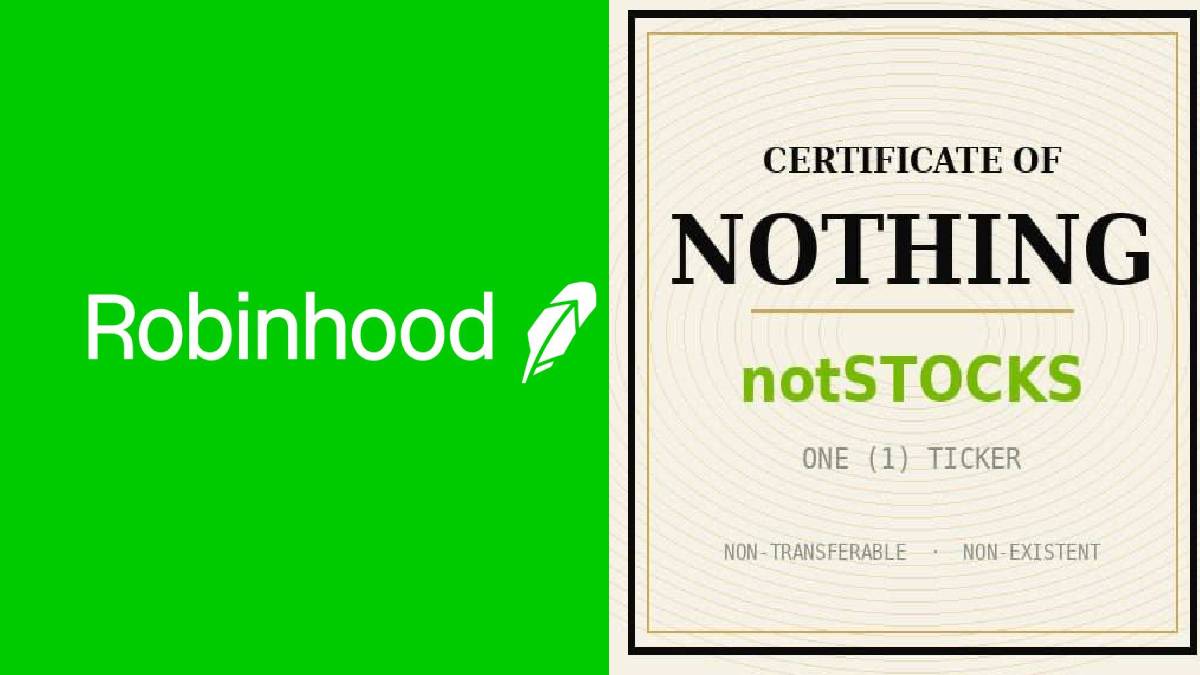
Tokenized stocks, digital assets and the relationship between traditional stocks and blockchain-based products are at the forefront of the market at the moment. But the claims that large numbers of users are actually moving towards STOCKS should be treated cautiously because there is no independent evidence of a strong migration of Robinhood users to the platform.
The interest seems to be part of the larger discussion over Robinhood's tokenized stock approach. Aron has publicly attacked Robinhood for tokenized AMC shares, saying such digital tokens are not the actual shares of AMC stock. And Aron said AMC had nothing to do with Robinhood’s tokenized shares.
That disagreement has made social media and crypto communities fertile ground for discussion. Projects or ideas that are presented as parody alternatives can be quickly disseminated, especially if they combine market terminology with meme culture.
Here, STOCKS is presented as a parody or an experimental market launch concept, not as a well-established alternative brokerage. That distinction is important. Unlike a stock exchange or regulated brokerage platform, a parody-style project would probably consist of entertainment, community involvement or commentary on financial markets.
So the name seems to fit perfectly into the convergence of meme culture and financial markets. It’s not really new. Retail investors have already shown how social media communities can quickly kick up interest in stocks, cryptocurrencies and financial narratives.
Robinhood itself has a long history of being at the center of retail investors’ battles. The company became even more prominent during the 2021 GameStop short squeeze, when trading restrictions during extreme market volatility drew criticism from some retail investors and lawmakers. Vlad Tenev, Robinhood’s co-founder and CEO, also testified before the House Financial Services Committee on the episode.
This is a very different technological environment. Blockchain networks allow developers to build digital representations of assets and crypto communities have established trading venues, launchpads and token markets. That has opened up to experimentation but also opened them to ownership questions, investor protection, liquidity and regulation questions.
If STOCKS users look at STOCKS, one of the biggest questions for them is whether the current attention is genuine adoption or just social media speculation. Online discussion can give the market a lot of visibility but does not necessarily translate to long-term trading activity, liquidity, or a stable user base.
But as a token in which the company or stock is referred to and actual ownership of shares of a company isn’t always the same. Traditional shares have rights to the shares of a company and a blockchain-based token may have different contractual or economic exposure depending on how it is structured.
This distinction is particularly relevant in the current Robinhood-Adam Aron debate. Investors and users should not be assuming that a parody token, digital asset or launchpad has the same rights as purchasing an underlying publicly traded security.
The STOCKS story also illustrates how quickly financial disputes can turn into broader internet-driven market movements. Companies’ executives can become fodder for meme communities and then create parody projects, tokens or other financial concepts around the controversy.
So far, the suggestion that users are moving toward STOCKS remains a report or rumour rather than an established market trend. There is also no basis to describe STOCKS as an official Robinhood, AMC or Vlad Tenev initiative.
Tokenized equities are more and more popular and thus potentially the bigger story will go beyond a parody project. The clash of traditional securities markets, fintech platforms, blockchain technology and online investor communities is making a more complex financial framework.
The trick will be to differentiate genuine adoption and measurable activity from viral narratives among market participants. Until reliable data on STOCKS users, trading volumes, liquidity and the project’s legal structure becomes available, claims of a major migration should be treated with care.





Comments
Please to leave a comment on this article.