
For years, India’s biggest cities have been the centre of business and economic activity. Mumbai, Delhi, Bengaluru, Hyderabad, and Chennai have attracted companies, investors, startups, and skilled workers from all over the country.
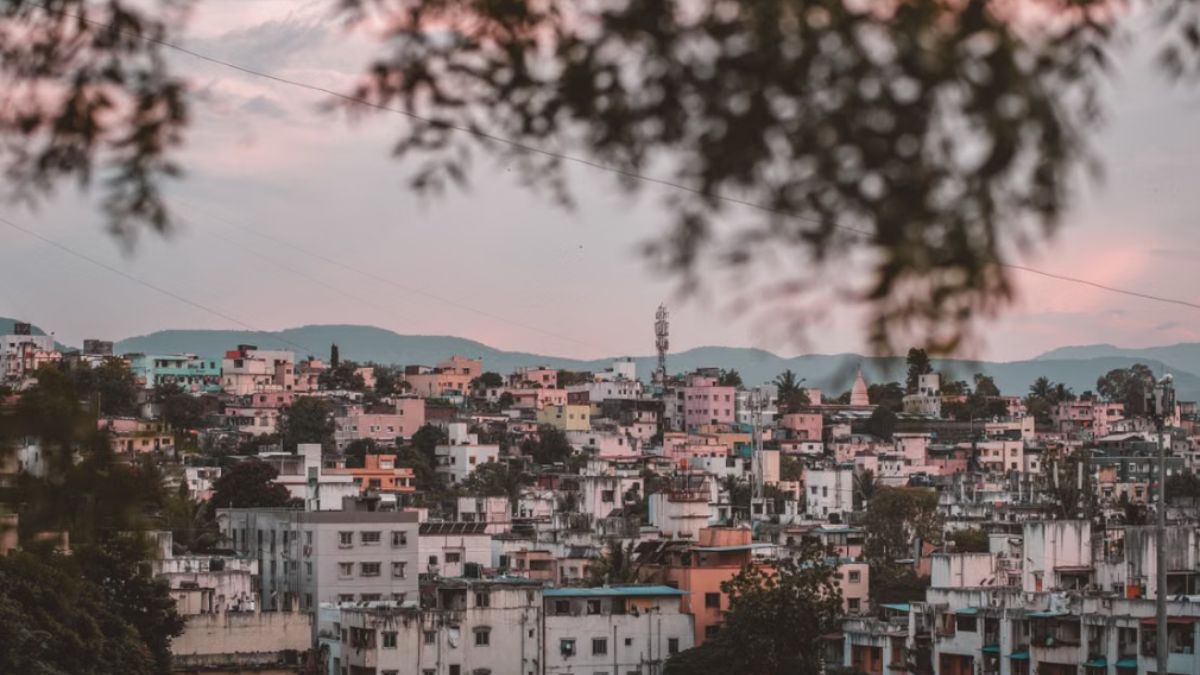
But that picture is slowly changing.
Businesses are now looking outside the metros. Smaller cities are markets for companies in all sectors (retail and e-commerce, technology, manufacturing and services) outside India’s biggest urban centres.
The change is being driven by several factors. Higher incomes, better internet access, infrastructure investment and changing consumer habits are all making smaller cities more attractive to business.
Why Businesses Are Moving Beyond Big Cities
One of the biggest reasons is that purchasing power for consumers in smaller cities is growing.
People in Tier 2 and Tier 3 cities are spending more on products and services than they used to. They’re also more comfortable with online shopping, digital payments, and app-based services.
This has given businesses a much bigger customer base.
E-commerce has played a role in this transformation. A customer in a smaller city can order many of the same products as consumers in Mumbai, Delhi or Bengaluru.
The rise of smartphones and cheap internet made it possible.
Businesses are also finding that smaller cities have lower operating costs. Office space, land, and other expenses can be cheaper than in metros, so it can be an advantage for companies looking to expand but don’t want to pay the high cost of big cities.
Another benefit is that there’s a growing local workforce available.
Many small cities have colleges and schools that graduate young people every year. Companies can tap into this talent pool, but they can also create jobs closer to where people live.
This can ease pressure on major cities and give businesses new talent.
Tier 2 And Tier 3 Cities Are Getting More Attention
Growth is not just one type of business.
Retail companies are going into smaller cities where they see more demand from local consumers. E-commerce companies are moving out of the metros too.
The digital economy has made it easier. A company doesn’t have to be big in every city physically to reach customers there.
Social media has also changed the way businesses interact with consumers.
A brand can market its products directly to customers in smaller cities now. Local influencers and regional-language content can make these campaigns even stronger.
Language is an important part of this shift.
Consumers living outside major metros may prefer to shop in regional languages, search for information or use digital services in those languages. Businesses that know this can connect with local customers better.
Improving infrastructure is also helping.
Better roads, highways and rail connections, airports and logistics networks are making it easier for companies to move goods between smaller cities and larger markets.
At the same time, digital infrastructure is enabling businesses to operate in different parts of the country without being physically located in a major metro.
This is for startups and newer companies.
So instead of competing for expensive office space and talent in Bengaluru or Mumbai, some businesses build teams in smaller cities and use technology to stay connected with customers and employees all over the country.
A New Business Opportunity For India
Smaller cities could have a bigger effect on India’s economy.
More business activity outside the major metros could generate new jobs and local incomes. It might also encourage investment in infrastructure and services.
For consumers, more competition can mean more choices.
A growing business ecosystem can also spur local entrepreneurs to start their own companies. When businesses enter smaller markets, more opportunities open up for local suppliers, logistics companies, service providers, and other supporting businesses as well.
However, smaller cities also face challenges.
Infrastructure is improving but not everywhere. Some cities still need better transport, power supply reliability, high-speed internet, and other basic facilities.
Businesses may also find it hard to attract and retain specialised talent in some places.
These challenges mean companies can’t copy a metro city business model and use it everywhere; they need to know local markets, consumer behaviour and regional preferences.
The companies which will succeed are those whose products and services are adapted to local needs.
India’s business growth story isn’t therefore getting more concentrated around its biggest cities.
The next big opportunity may not be in a traditional metro. It might come from a smaller city where incomes are rising, consumers are more digital, and businesses find new ways to reach them.
For companies, it means the map of India’s business opportunities is getting bigger.
And for smaller cities, it could be the start of a new phase of economic growth.





Comments
Please to leave a comment on this article.