
Plastic pollution has emerged as one of the world’s most pressing environmental problems to tackle, affecting the environment, wildlife in the ecosystem (e.g., biodiversity, agriculture, and human health) and the way we live in it.
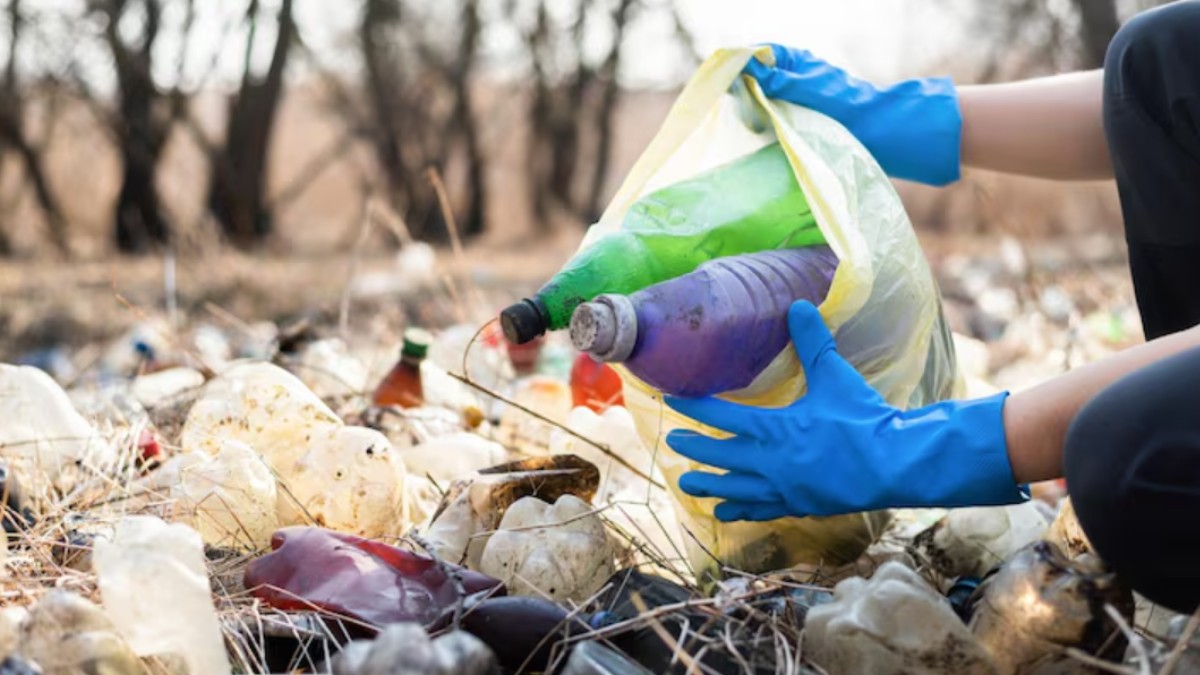
From clogged drainage systems to polluted rivers and oceans and from the widespread use of single-use plastics in India, this is what is most dangerous for the environment long term.
To this end, several villages in India have shown that collective action and community involvement are the best means to reduce plastic waste. And those plastic-free villages are such an example of sustainable development from the point of view of how local leadership, awareness campaigns and eco-friendly methods can change communities and keep the environment and the people healthy.
If the journey to be a plastic-free village starts with awareness. Village panchayats, self-help groups, schools, youth clubs and local volunteers unite to inform residents about plastic pollution and its harmful effects through community meetings, cleanliness drives, door-to-door campaigns and environmental workshops. Village participation increases significantly when people come to understand the benefits of environmental conservation.
Practical plastic-free villages that are already in existence are one of the most effective things about them because they remove the use of plastic such as carry bags, disposable cups, plates, straws, and packaging materials. Instead, people are supposed to use reusable cloth bags, steel containers, bamboo products, paper packaging and biodegradable ones.
Local markets and shops are important in this because they will not distribute plastic bags and promote environmentally friendly products.
Waste segregation is the core of some of the best rural waste management systems. Households separate biodegradable and non-biodegradable waste at the source, making recycling and composting more straightforward.
Organic waste from kitchens is converted into compost that can be used in farms and household gardens, thus reducing landfill waste and the need for chemical fertilizers. Recyclable materials are collected separately and sent to recycling centres so that waste management is more circular.
Schools are often the main drivers of environmental awareness in plastic-free villages. Cleanliness drives, tree plantation projects, recycling works and environmental education programmes are carried out by students at school. Children take these lessons home with them and encourage their families to reduce plastic consumption and adopt eco-friendly practices. This intergenerational education has the effect of changing behaviour within the community.
Women’s self-help groups are also very powerful for the plastic-free movement. Many groups produce cheap cloth bags and reusable household products, all biodegradable and could make money while reducing dependence on plastic. Small-scale enterprises are an economic boon to society and demonstrate how sustainability can generate economic opportunities in addition to ecological benefits.
Local governance is vital to long-term success. Many gram panchayats have village-level directives to avoid single-use plastics and they have clear waste collection systems.
In some communities, there are penalties for littering or improper waste disposal and rewards for businesses and homes that are environmentally responsible. Constant monitoring and community participation will help keep up the momentum even after awareness campaigns are finished.
Technology and innovation are also further improving rural waste management. Some villages install waste collection centres, composting units, biogas plants, and recycling facilities to efficiently handle waste. Digital awareness programs and mobile messaging groups are also increasingly used to inform the public on environmental issues and to organize community clean-up activities.
The environmental benefits of plastic-free villages are significant. Reduced plastic waste helps keep roads, water bodies, agricultural fields, and public spaces cleaner. Better waste management is also key to reducing flooding caused by blocked drainage systems and to the safety of livestock that may accidentally ingest plastic waste. A cleaner environment also contributes to better public health by reducing breeding grounds for disease-carrying insects.
The economic benefits are equally significant. Villages will probably spend less on waste disposal and make money through compost production, recycling and eco-friendly businesses. Cleaner environments might also provide a boost for tourism in villages known for their sustainable practices, bringing in more income for local residents.
Even with all these successes, challenges remain. Changing long-standing consumption habits is always difficult and requires ongoing awareness efforts. Affordable alternatives to plastic may not always be readily available, especially in remote areas. And there needs to be financial investment and administrative support to maintain the same waste collection and recycling infrastructure. Yet many successful villages have shown that these obstacles can be overcome through good community participation and local management.
India’s overall efforts to reduce plastic pollution, including banning several single-use plastic items and launching campaigns to promote sustainable living, have created favorable conditions for villages to adopt environmentally friendly practices. Plastic-free villages are a great example of how environmental protection is both a result of large-scale government programs and active participation by citizens at the grassroots level.
Such inspiring stories teach the world that simple lifestyle changes, collective responsibility, and local creativity and innovation can lead to significant positive environmental change. The more villages that opt for sustainable waste management and less plastic dependency will make the world’s environment greener and healthier for generations to come.
Plastic-free villages are not only environmental success stories but also are examples of community resilience, responsible governance and sustainable development that can teach the whole nation.





Comments
Please to leave a comment on this article.