
India has a plan to build 100 airports over the next 10 years at a cost of ₹30,000 crore. There is increasing demand for air service in India and the government also wants to connect bigger cities, emerging urban centres and remote areas. If realized, it could revolutionize India’s aviation system in the next decade.
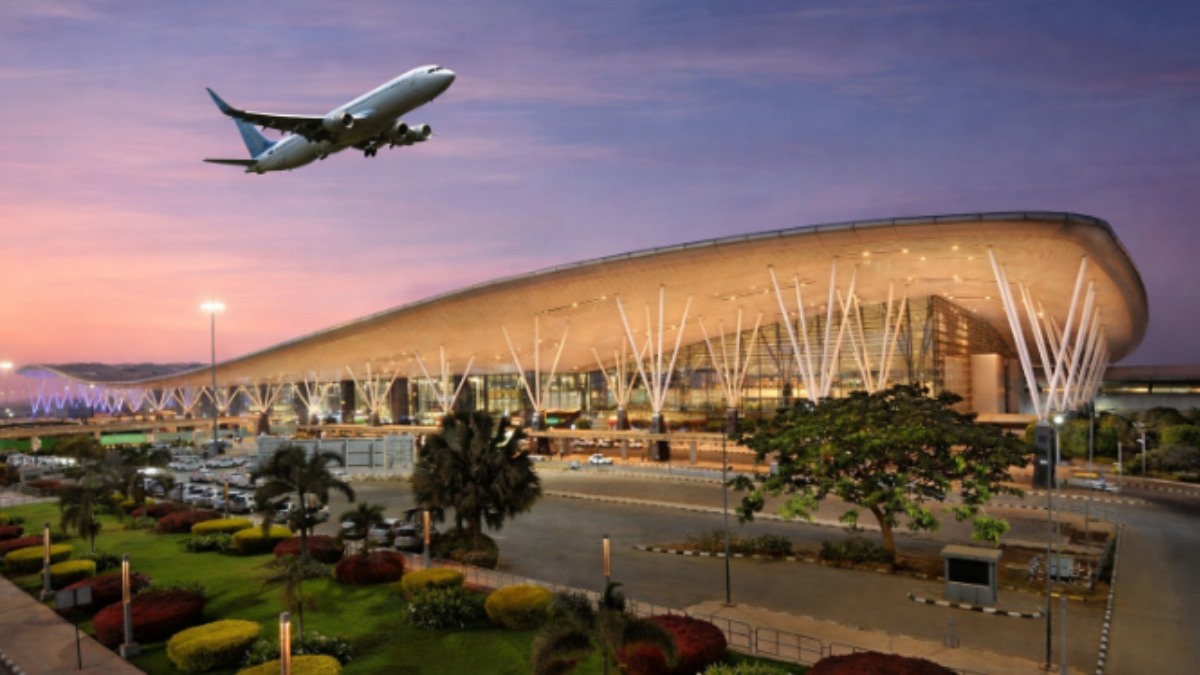
The announcement comes at a time when India’s civil aviation sector is experiencing rapid growth in passenger traffic, aircraft orders and airport construction. As people choose air travel for business, education, tourism and personal trips, current airports in different parts of the country are facing increasing pressure. The construction of new airports will therefore help with the future demand and make air travel more accessible to people living outside major metropolitan areas.
The proposed ₹30,000 crore investment would support the development of airport systems in different parts of the country. Specific locations and implementation timelines for the airports themselves would be dependent on the demand for passengers, land availability, feasibility studies and regulatory approval in such cases but the main purpose is to expand aviation capacity. The expansion may also make connections to cities and regions with limited or no direct air services.

One of the most obvious benefits of the initiative is that better regional connectivity will be achieved. Airports can play a central role in connecting smaller cities with economic centres, and passengers can travel faster and more easily. Better air links can also encourage businesses to set up operations in new locations and generate jobs and help in the development of the local economy.
Airport expansion would have a wider impact beyond just passenger travel. Today’s airports are providing infrastructure and services like hotels, restaurants, transportation, logistics, retail and maintenance facilities; and so on. Construction activity itself can create employment and there is also economic activity in the area around the airports. Connectivity is also one way to increase tourist destinations and make them more accessible and international tourist destinations more attractive.
India’s aviation growth is also closely tied to the country’s expanding middle class and increasing disposable incomes. As airfares become more competitive on several routes and more people access air travel, passenger demand is going to keep rising. New airports may be needed to keep up with this, and not be a bottleneck.
The initiative could also complement India’s regional connectivity efforts to make flying more accessible from smaller cities and towns. New airports, terminal upgrades and improved air routes can build a stronger aviation ecosystem. It is only in remote and geographically challenging areas that reliable air connectivity is of great importance for tourism, trade, emergency services and access to larger urban centres.
But the construction of 100 airports in a decade will require planning and execution. Airport projects are often complicated by the need for land, environmental, engineering and regulatory issues. Making sure new facilities have enough airline connections and passenger traffic will also be a part of their long-term financial sustainability. Just building airport infrastructure without sufficient flight operations could limit the economic benefits.
So the ₹30,000 crore investment is more than an investment in infrastructure. It is an attempt to prepare India’s aviation network for the next phase of growth. In addition to new airports, roads, rail links, public transportation, air traffic management and cargo infrastructure will be necessary to ensure airports function as well-connected transportation hubs.
Such expansion will cement India’s position as one of the world’s fastest-growing aviation markets. With increasing passenger numbers and increasing demand for domestic and international connectivity, expanding airport capacity is now one of the central elements of the country’s infrastructure strategy.
If this approach is followed, the number of airports in India will increase significantly in the next 10 years. 100 airports with ₹30,000 crore investment will bring air links and connectivity to millions of people and tourism and trade and regional economic development to the fore. But much of the success of the initiative will be contingent on successful implementation of the project, sustainable operation of the airports and good linkages between the new aviation hubs and their communities.





Comments
Please to leave a comment on this article.