
India’s petrol and diesel demand increased sharply in August as erratic monsoon rainfall pushed up fuel consumption among farmers and motorists. Preliminary industry sales data showed that the unusual rainfall pattern affected fuel consumption differently, with petrol and diesel sales surging while LPG demand declined.
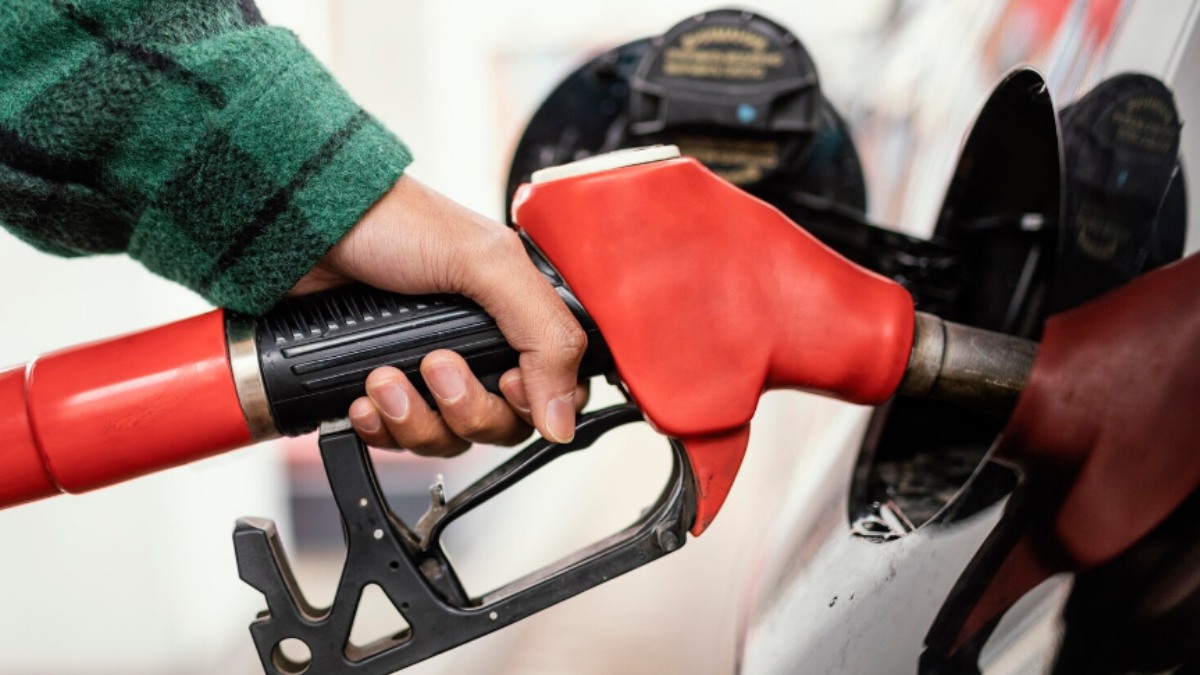
The latest data from three state-run fuel retailers in India, Indian Oil Corporation, Bharat Petroleum Corporation and Hindustan Petroleum Corporation, shows a significant rise in transport and agricultural fuel consumption in the month.
The trend is important because monsoon conditions generally have a significant impact on fuel demand. Heavy rainfall may restrict road movement and construction activity, and insufficient or uneven rainfall may increase the need for fuel-powered irrigation.
Petrol sales rise 9.1% in August
Petrol sales by three state-run fuel retailers rose 9.1 percent year-on-year to 3.48 million tonnes in August. That is higher than the 3.19 million tonnes in the same month last year.
The petrol sales in August were also 14% higher than the 3.05 million tonnes sold in August 2024 and 30.7% higher than the level in August 2023.
On a month-on-month basis, petrol sales increased by almost 1% from July's 3.45 million tonnes.
The increase is due to more drivers in a month when rainfall patterns were uneven across parts of the country. Heavy rain may reduce road travel, but without sufficient rainfall, there is a need for more movement and fuel for other activities.
Diesel Demand Jumps 10.2%
In August, diesel sales increased even more sharply, by 10.2% to 6.27 million tonnes from 5.69 million tonnes a year earlier.
Diesel is widely used in commercial vehicles, agricultural machinery and irrigation equipment, so its consumption is closely connected to economic and farming activity.
The August figure was 9.7% higher than diesel sales during the same month in 2024 and 6.3% above August 2023 levels.
However, diesel sales fell 12 percent from July when state-run retailers sold 7.13 million tonnes. This indicates that demand was much higher than a year ago, but the month-to-month trend was different.
Why Erratic Rainfall Increased Fuel Demand
The impact of the monsoon on fuel consumption is not always straightforward.
Heavy and continuous rainfall can slow trucks and other vehicles, and it can also slow construction and other outdoor economic activities. Such conditions generally reduce the demand for diesel and petrol.
But erratic rainfall can have the opposite effect on agriculture. If rainfall is insufficient or unevenly distributed during the sowing season, farmers may need to rely more heavily on irrigation.
Diesel-powered irrigation equipment can therefore increase fuel consumption when rainfall is not sufficient to meet agricultural requirements.
The August data came during the peak sowing period when irrigation demand contributed to the rise in diesel consumption.
This helps explain why fuel demand can rise even during a monsoon season. The overall effect depends not only on how much rain falls but also on where, when and how consistently it falls.
LPG Demand Moves In The Opposite Direction
While petrol and diesel sales increased, LPG demand moved in the opposite direction.
LPG sales by the three state-run fuel retailers fell 16.1 percent in August, according to preliminary industry data. The change was due to changing fuel-use patterns and developments in the country's energy consumption.
The different movements in LPG and transport fuels show how different segments of the energy market can respond differently to changing conditions.
Petrol is used in passenger vehicles, while diesel has a much stronger connection to freight movement, agriculture and industrial activity. LPG is largely associated with cooking and household as well as commercial use.
What The August Numbers Show
The August numbers provide an indication of how weather conditions can influence India’s fuel market.
The rise in petrol sales reflects much greater demand from motorists, and the increase in diesel consumption reflects the role agriculture, irrigation and transport play in determining overall fuel needs.
The numbers also point out that looking at monthly fuel consumption alone can be misleading. Diesel sales, for example, were higher than a year ago, but still significantly lower than July sales.
Fuel demand depends on several factors such as rainfall patterns, agricultural activity, road movement and economic conditions.
For August, however, the preliminary data clearly showed one major trend: erratic monsoon rainfall was linked to a significant increase in petrol and diesel consumption, particularly as farmers relied more on fuel-powered irrigation during the crucial sowing season.





Comments
Please to leave a comment on this article.