
Online banking has transformed the way people manage their finances. Whether it's transferring funds, paying utility bills, investing, or applying for loans, almost every banking service is now available at the touch of a button. While this convenience has simplified financial management, it has also created new opportunities for cybercriminals.
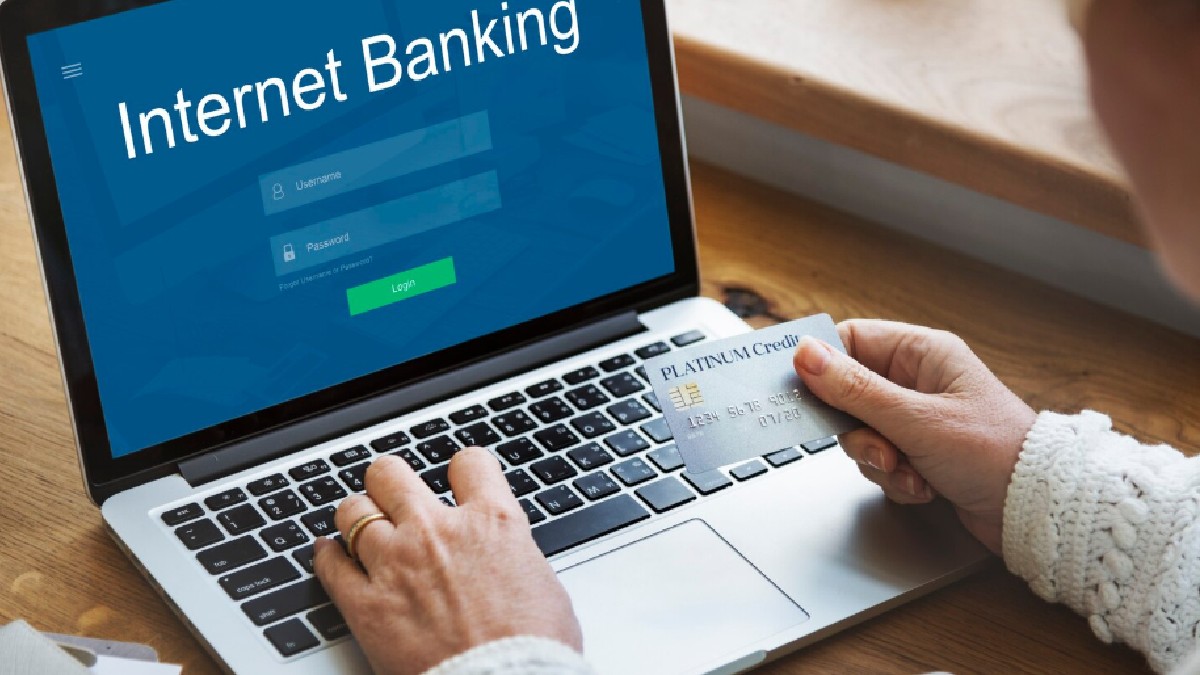
With cyber threats such as phishing emails, fake banking apps, identity theft, malware, and QR code scams becoming increasingly sophisticated in 2026, protecting your online banking account has never been more important. Fortunately, following a few essential cybersecurity practices can significantly reduce your risk.
Why Cybersecurity Is Essential for Online Banking
Your online banking account contains highly sensitive information, including:
- Bank account details
- Debit and credit card information
- Transaction history
- Personal identification data
- Digital payment credentials
Cybercriminals target this information to steal money, commit fraud, or misuse your identity. Practicing good cybersecurity habits helps safeguard both your finances and personal data.
1. Create Strong and Unique Passwords
A strong password is your first line of defense against unauthorized access.
Tips for creating secure passwords:
- Use a combination of uppercase and lowercase letters.
- Include numbers and special characters.
- Avoid using names, birthdays, or common words.
- Use a unique password for each financial account.
- Update passwords periodically.
A password manager can help generate and securely store complex passwords.
2. Enable Two-Factor Authentication (2FA)
Two-factor authentication adds an extra layer of protection by requiring a second verification step in addition to your password.
Common methods include:
- One-Time Passwords (OTP)
- Authentication apps
- Fingerprint authentication
- Facial recognition
Even if someone obtains your password, they cannot access your account without the second authentication factor.
3. Stay Alert to Phishing Attempts
Phishing remains one of the most common methods used to steal banking credentials.
Fraudsters may send:
- Fake emails
- Fraudulent SMS messages
- Social media messages
- Links to fake banking websites
Protect yourself by:
- Never click suspicious links.
- Verifying the sender's identity.
- Typing your bank's website address manually instead of following links.
- Checking website URLs carefully before entering login details.
4. Download Only Official Banking Apps
Always install banking applications from trusted sources such as:
- Google Play Store
- Apple App Store
- Your bank's official website
Avoid downloading APK files or applications from unknown websites, as fake apps may steal your banking credentials.
5. Keep Your Devices Updated
Software updates often include important security patches that protect against newly discovered vulnerabilities.
Regularly update:
- Mobile operating systems
- Banking applications
- Internet browsers
- Antivirus software
Using outdated software increases your exposure to cyber threats.
6. Avoid Banking on Public Wi-Fi
Public Wi-Fi networks at airports, cafés, hotels, and shopping malls are often less secure.
Potential risks include:
- Data interception
- Password theft
- Man-in-the-middle attacks
Whenever possible, use:
- Mobile data
- A trusted private Wi-Fi connection
- A reputable Virtual Private Network (VPN)
7. Enable Biometric Authentication
Many smartphones now support biometric security features, including:
- Fingerprint recognition
- Face ID
- Voice authentication
These methods provide an additional layer of protection and are generally more difficult to compromise than traditional passwords.
8. Review Your Bank Statements Regularly
Monitor your account frequently for:
- Unauthorized transactions
- Unexpected withdrawals
- Unknown beneficiaries
- Suspicious login activity
Reporting suspicious activity promptly can help limit financial losses and speed up fraud resolution.
9. Never Share Sensitive Banking Information
Keep the following information strictly confidential:
- OTPs
- ATM PINs
- CVV numbers
- Internet banking passwords
- Debit or credit card details
Remember, legitimate banks never ask customers to share these details over phone calls, emails, or text messages.
10. Always Log Out After Banking
After completing your banking session:
- Log out of the banking app or website.
- Close your browser if using online banking.
- Avoid saving passwords on public or shared devices.
This simple habit reduces the risk of unauthorized access.
11. Verify QR Codes Before Scanning
QR code scams have become increasingly common.
Before scanning a QR code:
- Confirm its source.
- Ensure it belongs to a trusted merchant or organization.
- Avoid scanning random QR codes displayed in public places or received through unsolicited messages.
Always double-check payment details before authorizing a transaction.
12. Install Trusted Security Software
Reliable security software can help detect and block:
- Malware
- Spyware
- Trojans
- Ransomware
- Keyloggers
Keeping your antivirus software updated adds another important layer of protection against cyber threats.
The Future of Online Banking Security
Banks are increasingly adopting advanced technologies to strengthen digital security, including:
- Artificial Intelligence (AI)-powered fraud detection
- Behavioral analytics
- Blockchain-based security solutions
- Biometric-first authentication
- Real-time transaction alerts
- Zero-trust security frameworks
These innovations help identify suspicious activity more quickly and reduce the risk of financial fraud.
Final Thoughts
Online banking offers unmatched convenience, but protecting your account requires vigilance. Many successful cyberattacks exploit user mistakes rather than technical weaknesses.
By adopting simple cybersecurity habits—such as using strong passwords, enabling two-factor authentication, avoiding phishing scams, updating your devices, and monitoring your accounts regularly—you can greatly reduce your exposure to online fraud.
In today's digital economy, cybersecurity is not just an IT concern; it is a vital part of personal financial management. Staying informed and practicing safe online banking habits will help ensure that your money, identity, and personal information remain secure.





Comments
Please to leave a comment on this article.