
The anticipated initial public offering of the National Stock Exchange (NSE) is a big financial opportunity for five state-owned insurance companies. With the NSE's IPO going forward with the approval of the Securities and Exchange Board of India (SEBI), General Insurance Corporation of India (GIC Re), New India Assurance, National Insurance, United India Insurance and Oriental Insurance can generate an additional income of around Rs 7,200 crore by selling a portion of their NSE shares.
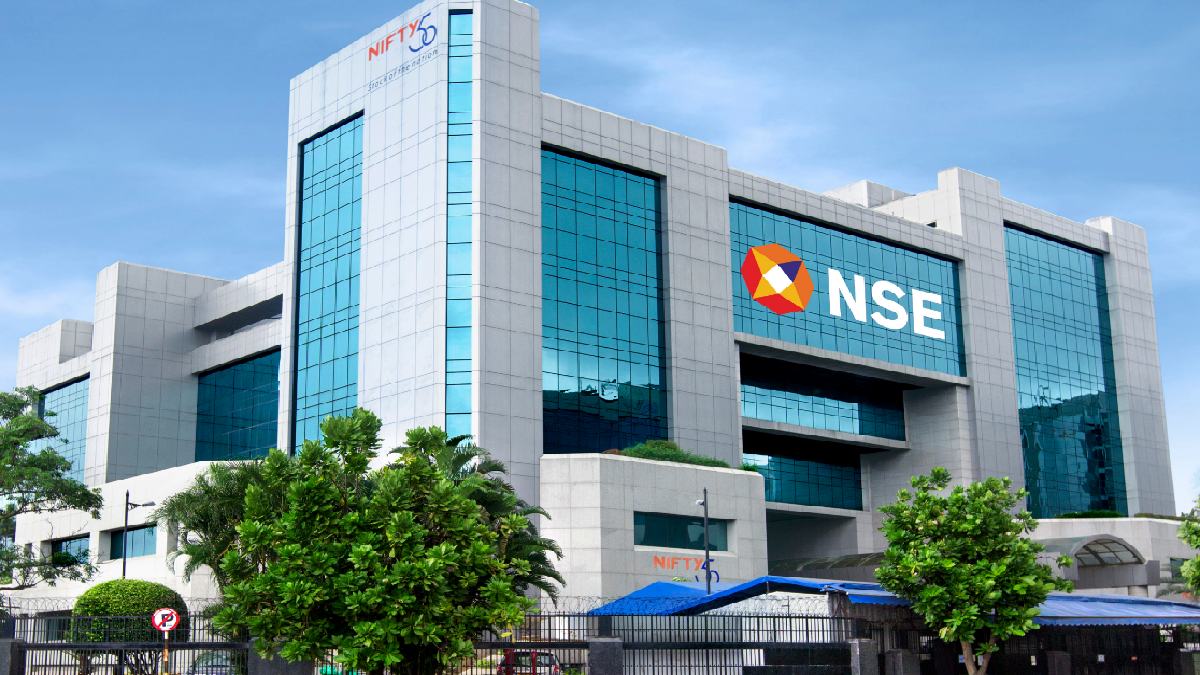
The estimated windfall is based on an IPO price of Rs 1,800 per NSE share. But the actual amount that the insurers eventually realise will depend on the final offer price determined for the public issue. The Rs 7,200 crore figure should therefore be seen as a potential value rather than a confirmed gain.
The five public sector insurers were among the early investors in the National Stock Exchange, which started operations in 1994. NSE has grown to be India’s largest stock exchange by trading volume over the years.
Together the five insurers hold about 165 million NSE shares. Their combined ownership is expected to decline from 6.7 per cent to around 5.1 per cent after they sell around 40 million shares at the proposed IPO. Their initial acquisition cost and potential sale value are the difference that makes a substantial gain at the disposal of investors.
GIC Re is expected to be the biggest beneficiary among the five insurers followed by New India Assurance, National Insurance, United India Insurance and Oriental Insurance. The insurers acquired their combined NSE holdings for only around Rs 6.8 crore. At a price of Rs 1,800 per share, selling 40 million shares would generate gross proceeds of about Rs 7,200 crore.
The proposed transaction could be particularly beneficial to the state-owned general insurance companies as the investment gains from the NSE stake sale could lead to a rapid improvement in the company’s financial performance. In case the timing and accounting treatment is determined, the gains could also be beneficial to their earnings during the time period.
NSE IPO Will Be Entirely an Offer for Sale
The NSE IPO will be an offer for sale, meaning the exchange itself will not be earning money from the IPO. The public issue will be an offer for sale of up to 148.91 million shares as per the draft prospectus.
In an offer-for-sale, existing shareholders sell their shares to public investors. The money raised then goes to the shareholders who are involved in the sale, not to NSE. The final amount paid by each shareholder would depend on how many shares they offer and the price of the IPO.
NSE has long been one of India’s most closely watched unlisted financial-market stocks. The company is expected to attract investment as it controls most of India’s equity and derivatives market.
One big shareholder that is not participating in the proposed IPO is LIC. LIC owns about 10.72 per cent of NSE, making it the exchange's largest shareholder but it is not selling shares as part of the current issue.
Remaining NSE Stake Could Become Valuable Asset
The IPO could also leave the five insurers with a substantial residual position in the NSE. National Insurance, United India Insurance and Oriental Insurance together own around 90 million NSE shares. After selling about 17 million shares, these three insurers will be holding nearly 73 million shares.
If NSE shares are worth Rs 1,800 each, those remaining holdings would have an estimated value of about Rs 13,100 crore. So the IPO could create value for the insurers beyond the immediate dividends from the shares sold during the public issue.
A successful NSE listing and subsequent movement in its share price could further impact the value of the insurers' remaining investments. Any further mark-to-market change (under applicable accounting rules) might affect the reported value of these holdings on their balance sheets.
For state-owned insurers, the NSE investment therefore represents more than a one-time opportunity to monetise a long-held asset. The IPO could provide instantaneous liquidity and keep them with a potentially valuable residual stake.
But investors will need to wait for the final IPO price and provide details before determining the actual financial benefit to each insurer. The Rs 7,200 crore estimate is based entirely on the assumed Rs 1,800 per-share valuation and could change depending on the final pricing and number of shares sold.
The NSE IPO will be closely watched not only by investors in the stock market but also by shareholders who have held shares in the exchange since its inception. For the five public sector insurers, the listing will turn a relatively small historical investment into a potentially multi-thousand-crore financial opportunity.





Comments
Please to leave a comment on this article.