
Although private retailers have cut fuel prices a bit recently, state-owned oil marketing companies (OMCs) have not cut petrol and diesel prices at their outlets. This has had consumers and industry observers debating, especially as crude oil prices have cooled in the past weeks.
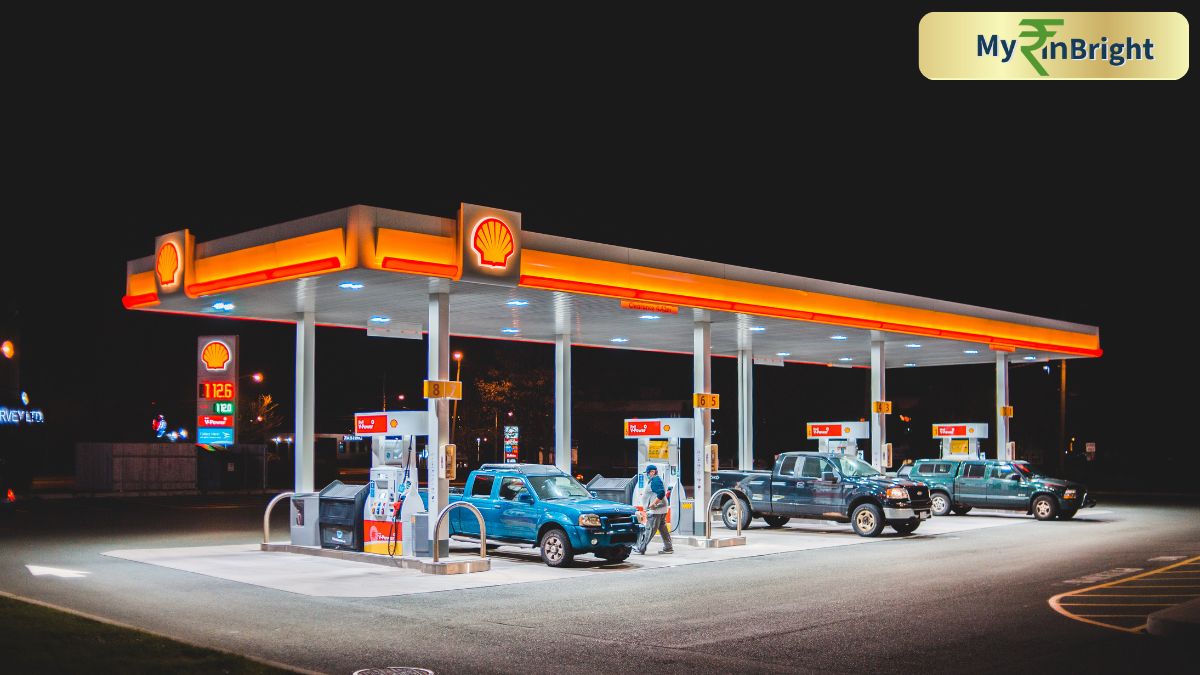
OMCs such as Indian Oil Corporation, Bharat Petroleum, and Hindustan Petroleum have maintained their retail prices and still have to balance revenue losses due to the prior under-recoveries. Although private companies are more likely to follow government policy and broader fiscal considerations rather than immediate market fluctuations, those companies more often do so by keeping the pricing of the firm based on government policy signals and wider fiscal concerns.
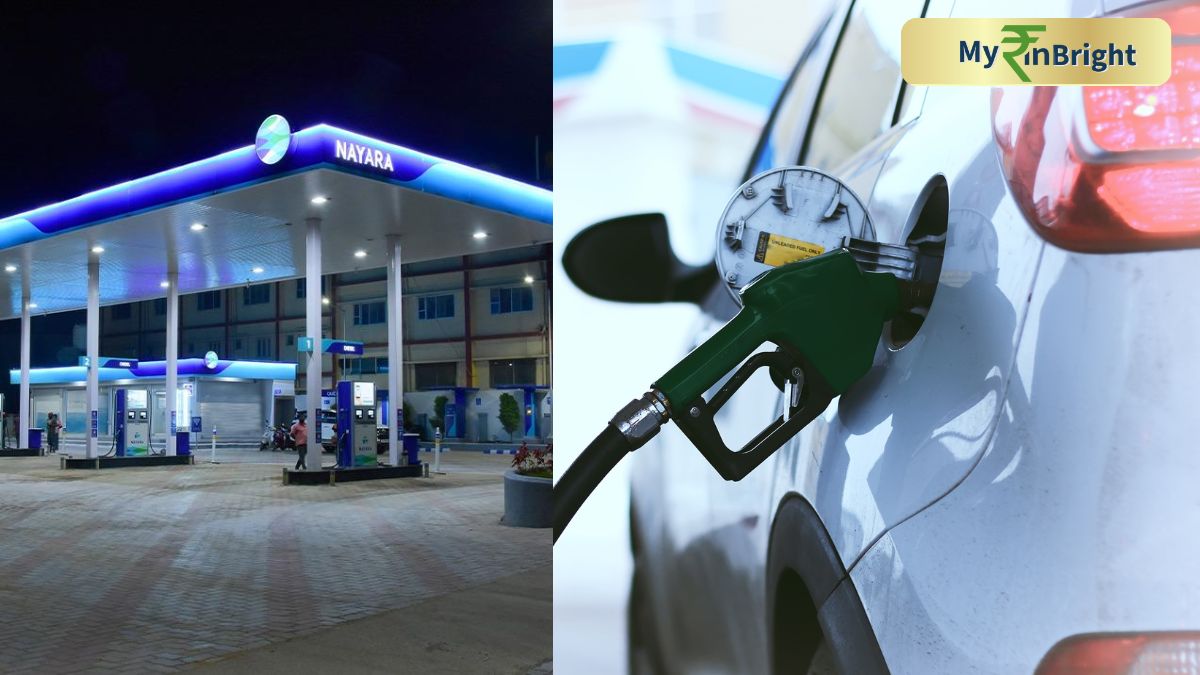
The move is at a time when private fuel retailers like Nayara Energy have reduced petrol prices by ₹5 per litre and diesel by ₹3 per litre, offering relief to consumers. But OMC-run pumps continue to sell fuel at unchanged rates, making public and private sector pricing very different.
Industry experts say OMCs are watching the world oil markets more cautiously because of the volatility of the international crude markets. Brent crude is lower than recent highs, but there is still uncertainty about OPEC+ production decisions and geopolitical tensions. OMCs hold prices steady in order to keep prices stable since they do not want to risk frequent price revisions that could overwhelm consumer expectations and financial planning.
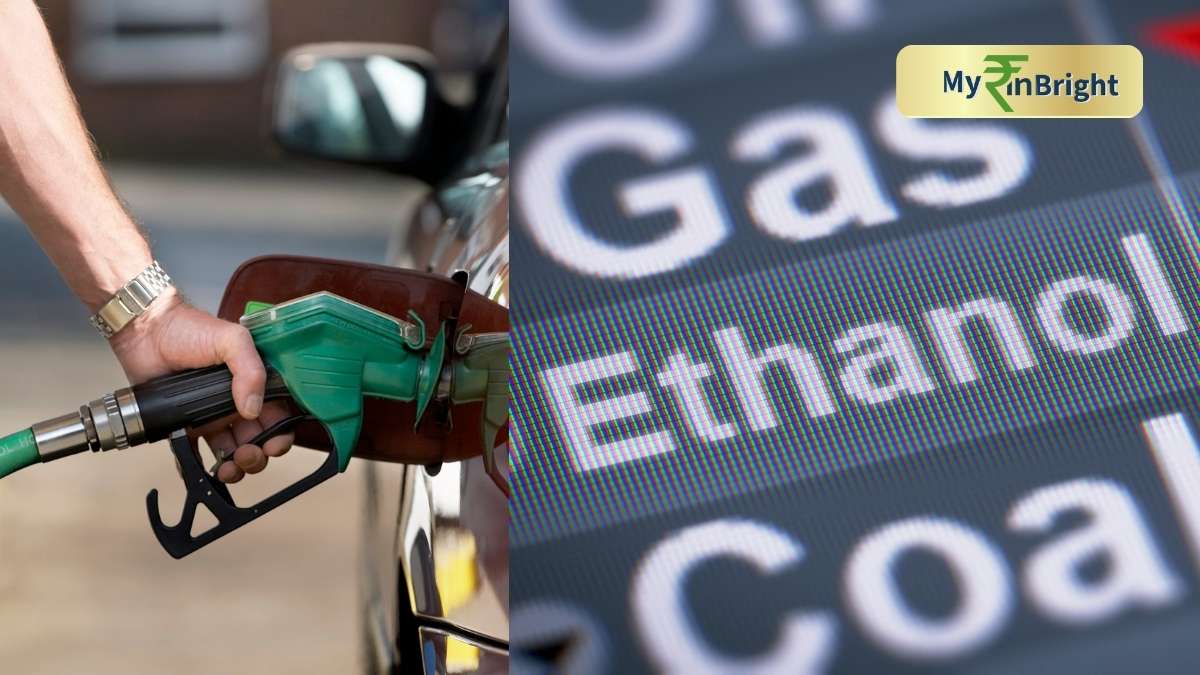
Another factor is the government’s wider fiscal policy. Fuel prices are an important factor as they affect inflation and household budgets. Any reduction by OMCs could have ripple effects on transportation costs and essential goods. Policymakers may prefer stability over short-term relief, especially in the monsoon season when logistics costs usually rise.
For consumers, the lack of price cuts at OMC outlets means households are still seeing higher costs on household expenses, particularly in Tier 2 and Tier 3 cities where public sector pumps take the majority of the market. The disparity between private and public sector pricing may also shift demand temporarily, with more motorists opting for private retailers offering cheaper rates.
And so, though private players have taken advantage of cooling crude prices, pumps of OMC-based companies have not reduced petrol and diesel prices. The decision reflects an attitude toward global market risk, fiscal strain, and inflationary pressures. For consumers, this means that relief at the pump is not as smooth as it could be, and that this is partly because of a complex pricing picture in India’s fuel market.





Comments
Please to leave a comment on this article.