
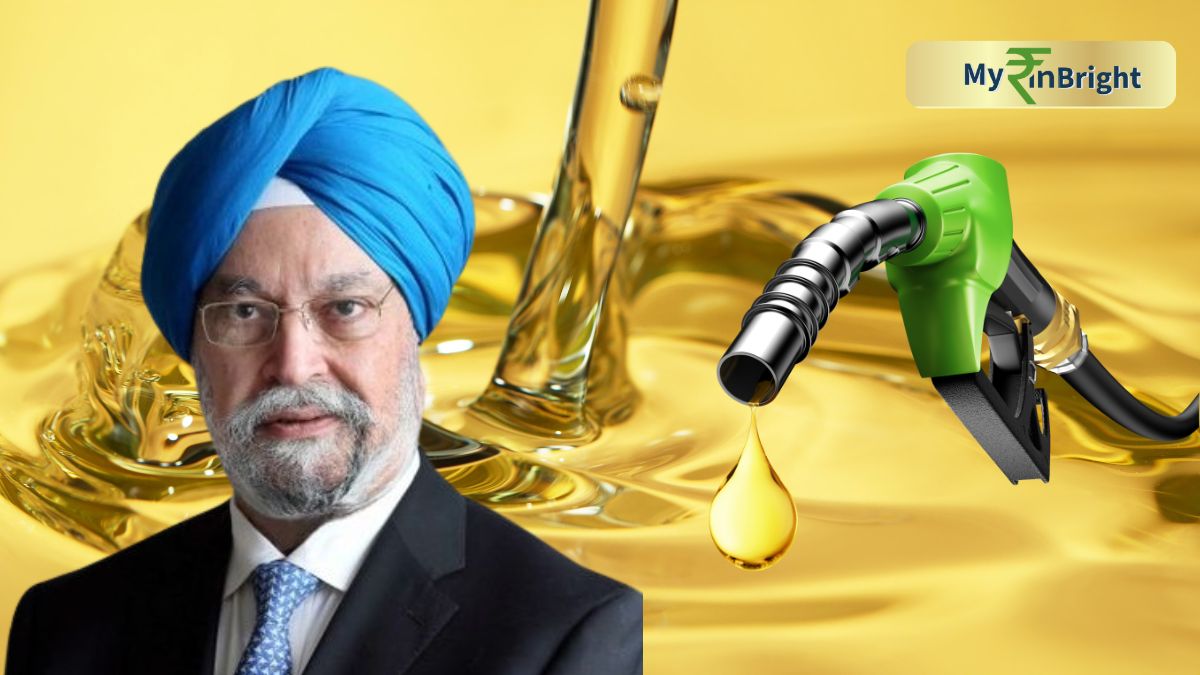
The Ministry of Petroleum and Natural Gas has defended India's ethanol blending programme, stating that it has played a significant role in protecting consumers from higher fuel prices during periods of elevated global crude oil prices. According to the ministry, petrol in Delhi could have cost around ₹125 per litre when international crude oil prices surged to around $135 per barrel, had oil marketing companies not blended ethanol with petrol.
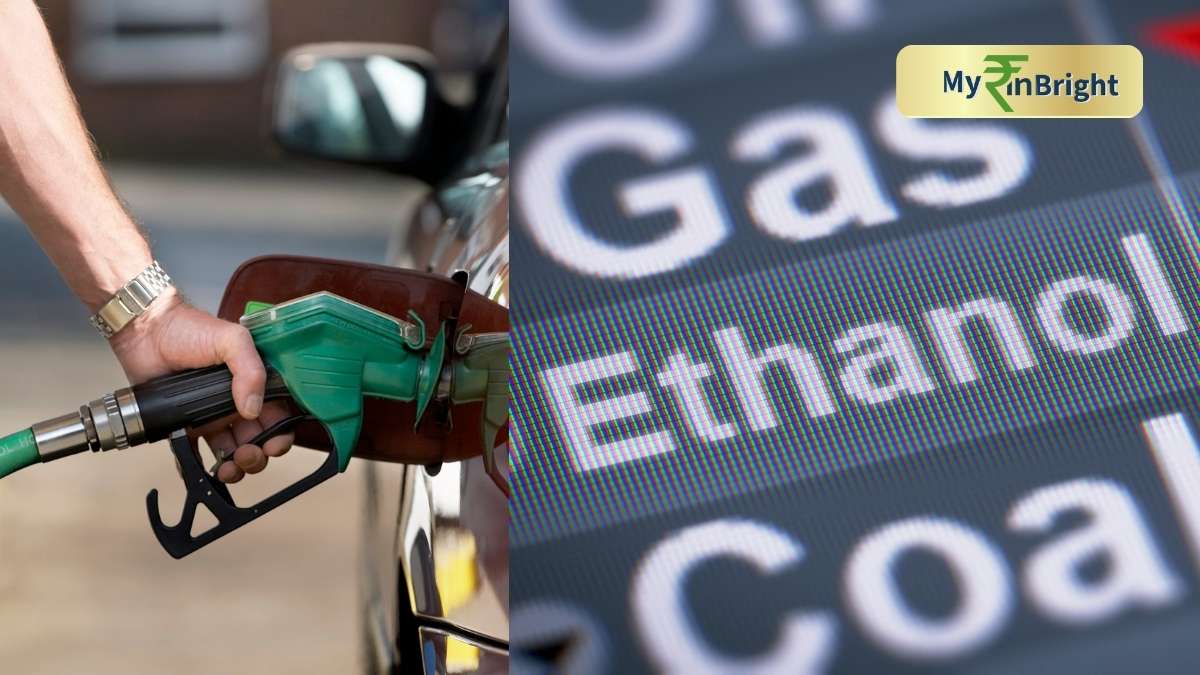
The statement comes amid ongoing discussions about the economic impact of ethanol blending, including concerns over production costs, food security, and whether the programme receives indirect taxpayer support. The ministry maintained that the initiative has delivered multiple benefits, including reducing India's dependence on imported crude oil, lowering fuel costs, and supporting environmental sustainability.
Ethanol is a biofuel produced primarily from sugarcane, maize, damaged food grains, and other agricultural feedstocks. Under the government's Ethanol Blended Petrol (EBP) Programme, oil marketing companies mix ethanol with petrol before supplying it to consumers. The programme aims to reduce crude oil imports, improve energy security, and lower carbon emissions.
According to the ministry, blending ethanol into petrol helped cushion the impact of rising international crude prices on domestic fuel costs. When global crude prices climbed sharply, the use of domestically produced ethanol reduced the quantity of imported petrol components required, helping oil companies manage overall fuel costs more effectively.
The government also highlighted that ethanol blending benefits farmers by creating an additional market for agricultural produce. Increased demand for ethanol feedstocks has provided sugar mills and grain producers with new revenue opportunities while helping diversify India's energy sources.
Critics of the programme have raised concerns that diverting crops toward ethanol production could affect food availability and increase food prices. Others have questioned whether financial incentives provided to support ethanol production ultimately place a burden on taxpayers. Responding to these concerns, the ministry said the programme has been designed to balance energy security with agricultural sustainability and does not compromise the country's food security objectives.
The Centre has set ambitious targets to expand ethanol blending across the country as part of its broader clean energy strategy. Higher blending levels are expected to reduce greenhouse gas emissions from the transport sector while decreasing India's reliance on imported fossil fuels.
Industry experts note that ethanol blending has become an important component of India's long-term energy policy. Besides reducing foreign exchange outflows on crude oil imports, the programme supports rural incomes, strengthens the agricultural economy, and contributes to cleaner transportation fuels.
Fuel prices in India continue to be influenced by several factors, including international crude oil prices, exchange rates, refining costs, transportation expenses, and central and state taxes. While ethanol blending cannot completely offset global price volatility, policymakers believe it helps moderate the impact of sudden spikes in crude oil prices.
As India continues expanding renewable energy initiatives, the ethanol blending programme is expected to remain a key pillar of the country's energy transition strategy. The government maintains that the initiative supports consumer interests, strengthens energy independence, and contributes to environmental goals while providing economic opportunities for the agricultural sector.







Comments
Please to leave a comment on this article.