
Union Petroleum Minister Hardeep Singh Puri has said that reducing petrol and diesel prices is not legitimate at present, despite the fact that global crude oil prices have fallen.
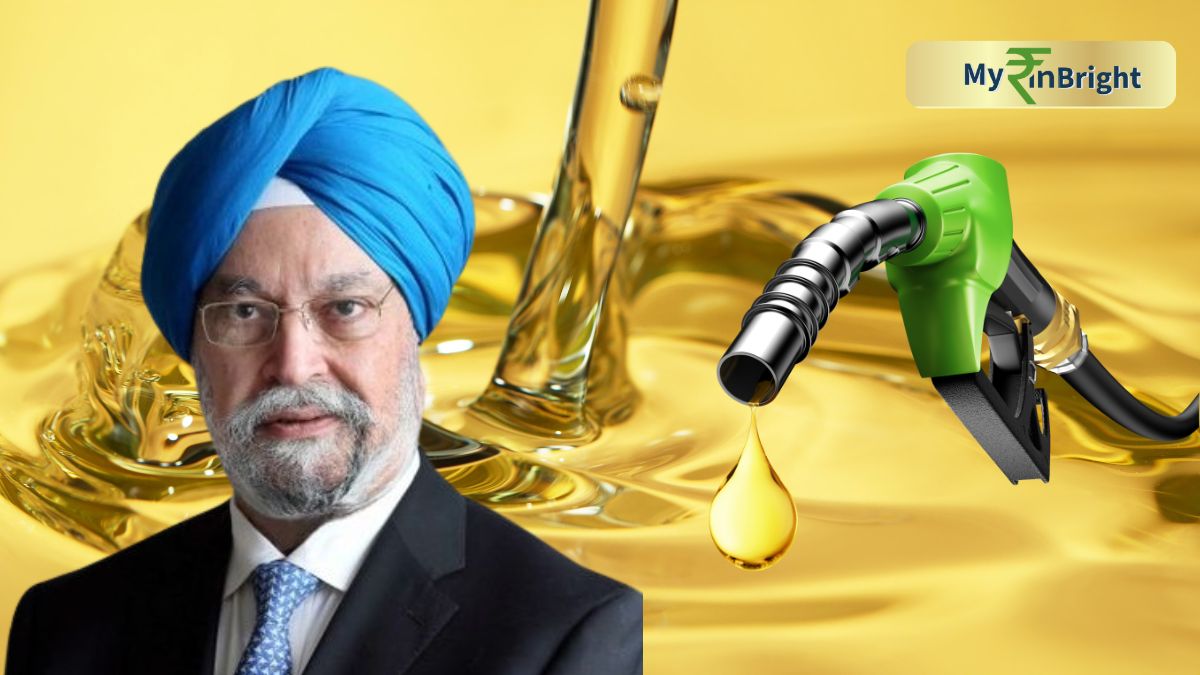
Puri said that although crude oil prices have turned down, a number of other economic factors need to be considered in making decisions about retail fuel rates. He said government fiscal responsibilities, inflationary pressures and the need to maintain stability in the energy industry far outweigh the immediate benefits of crude price cuts. Early cuts would have the effect of undermining consumer relief and long‑term fiscal sustainability, he said.
The Minister also stressed that India’s fuel pricing mechanism is not only tied to crude oil price fluctuations but also to currency fluctuations, refining costs and global market volatility. He also noted that the rupee’s relative weakness against the US dollar has eaten into some of the benefits of cheaper crude since it is hard to pass on those to consumers.
Puri also observed the need to keep oil marketing companies (OMCs) financially stable. OMCs have suffered a lot of losses in the run-up to high crude prices and if we reduce retail rates quickly, they will not recover. This cautious approach was needed to protect the long-term health of India’s energy industry, he said.
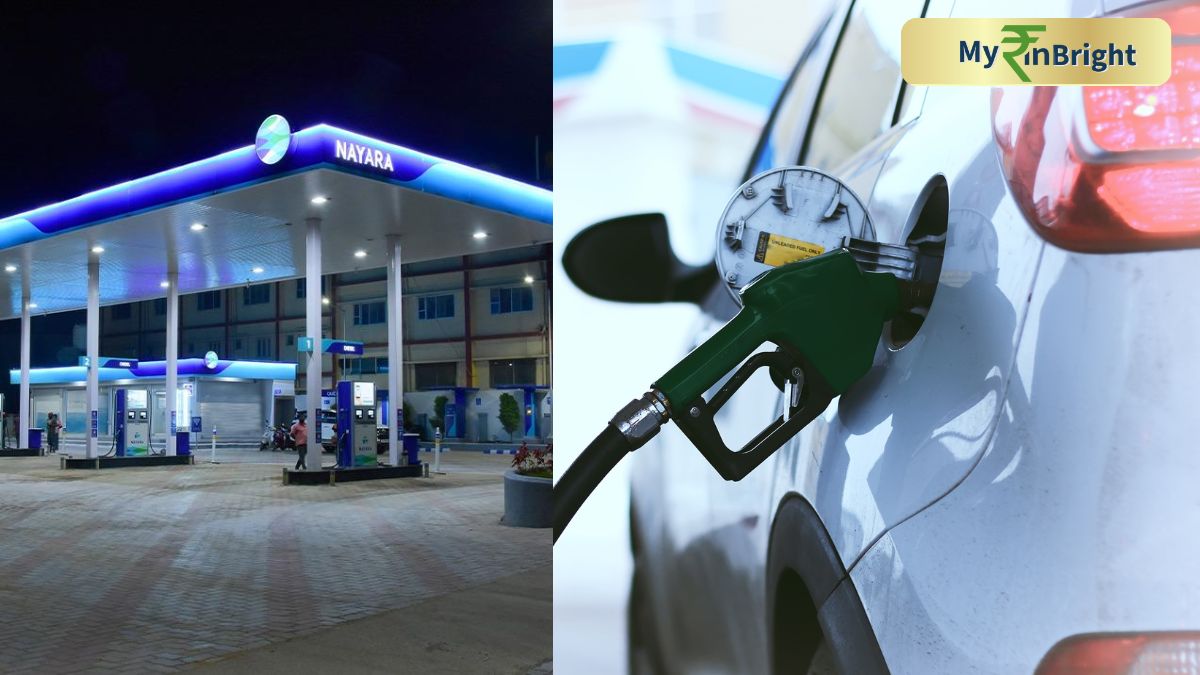
Industry analysts say that the government’s stance is indicative of a larger framework to balance consumer expectation with fiscal prudence. Private retailers, such as Nayara Energy, have recently cut prices, but OMC‑owned pumps such as Indian Oil, Bharat Petroleum and Hindustan Petroleum have kept rates stable, in keeping with the government’s cautious stance and outlook.
Puri’s statement underscores the complexity of fuel pricing in India. In spite of lower crude oil prices, multiple economic and fiscal factors make immediate cuts to petrol and diesel rates unlikely. That means that for consumers it means more and more pressure on household budgets while the government insists that stability and sustainability take precedence over short‑term cash for long-term peace.







Comments
Please to leave a comment on this article.