
We are going to remove all emergency restrictions on petrol and diesel sales from July 1, 2026, and this will enable all retail and commercial customers to access the market,” said the Ministry of Petroleum and Natural Gas.
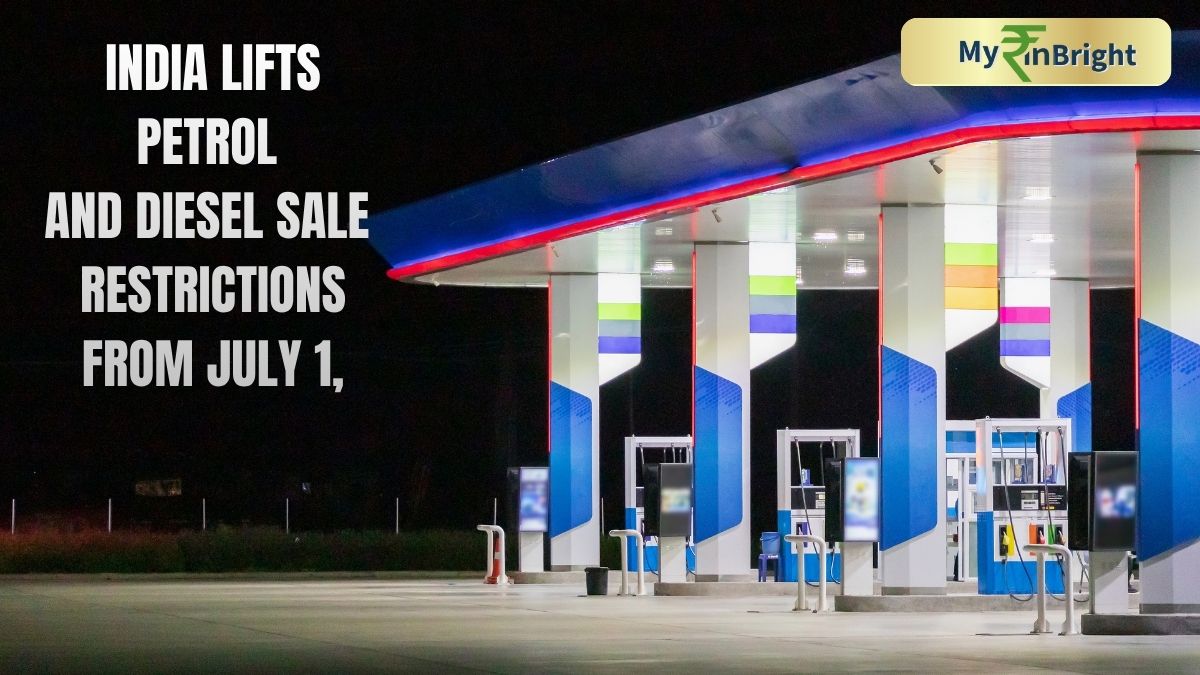
The restrictions, which were imposed on June 12, 2026, had curbed diesel sales by 200 litres per vehicle per day and prevented industrial, commercial and institutional customers from purchasing fuel at a retail location. Bulk buyers were to be directed to source fuel from specific points of delivery. The measures were introduced to prevent shortages following oil shipments through the Strait of Hormuz being interrupted and the price gap between retail and bulk diesel market was being widened.
In Delhi, retail diesel was priced at ₹95.20 per litre and bulk diesel at ₹134.50 per litre. This was so much that bulk customers migrated to retail pumps and this led to supply shortages and hoarding. The rules were strictly enforced to ensure fair distribution and discourage panic buying during the crisis.
With shipments from the Gulf back on and West Asia slowly cooling down, the government has reviewed the situation and has decided there is no longer a need for rationing. “Supplies of fuel are stable, so the government has decided not to put restrictions on it and that there are no shortages,” a government official said.
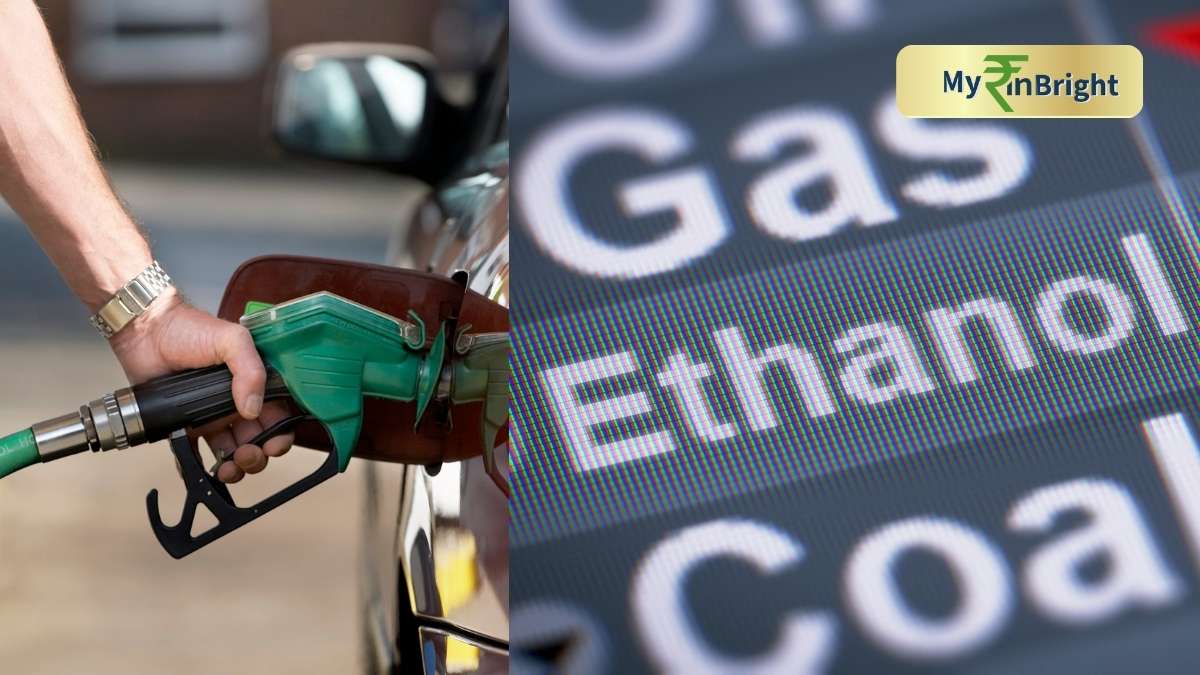
For consumers, this makes petrol and diesel available again at retail outlets. Commercial and industrial buyers who have been prevented from buying fuel from pumps also have the freedom to buy it from pumps from a source of fuel as well. The fuel retailers, especially those who relied on state-run outlets under siege during the restrictions, should be at ease from July onwards.
But authorities are circumspect about what could happen. The price arbitrage between retail and bulk diesel had resulted in diversion and misuse, and regulators will keep tabs on the price of diesel in the future. Retail pumps could have a temporary spike, as buyers adjust to the freedom to purchase again.
The decision to scrap the restrictions is a sign of a gradual re-engagement with the market in India and to return to normalcy in India’s fuel markets after almost three weeks of emergency rationing. It is a sign of confidence in global energy security and makes it possible to supply fuel to retail consumers and commercial buyers at scale from July 1, 2026.





Comments
Please to leave a comment on this article.