
The Central Government has made it clear that India cannot increase ethanol blending in petrol above 20% without having done a thorough scientific evaluation of the product and a lot of consultation with the various agencies involved in the ethanol blending scheme. This was made by Minister of State for Petroleum and Natural Gas Suresh Gopi in Parliament on 21 July 2026 in a bid to put an end to the debate on the future of the ethanol-blending programme in India.
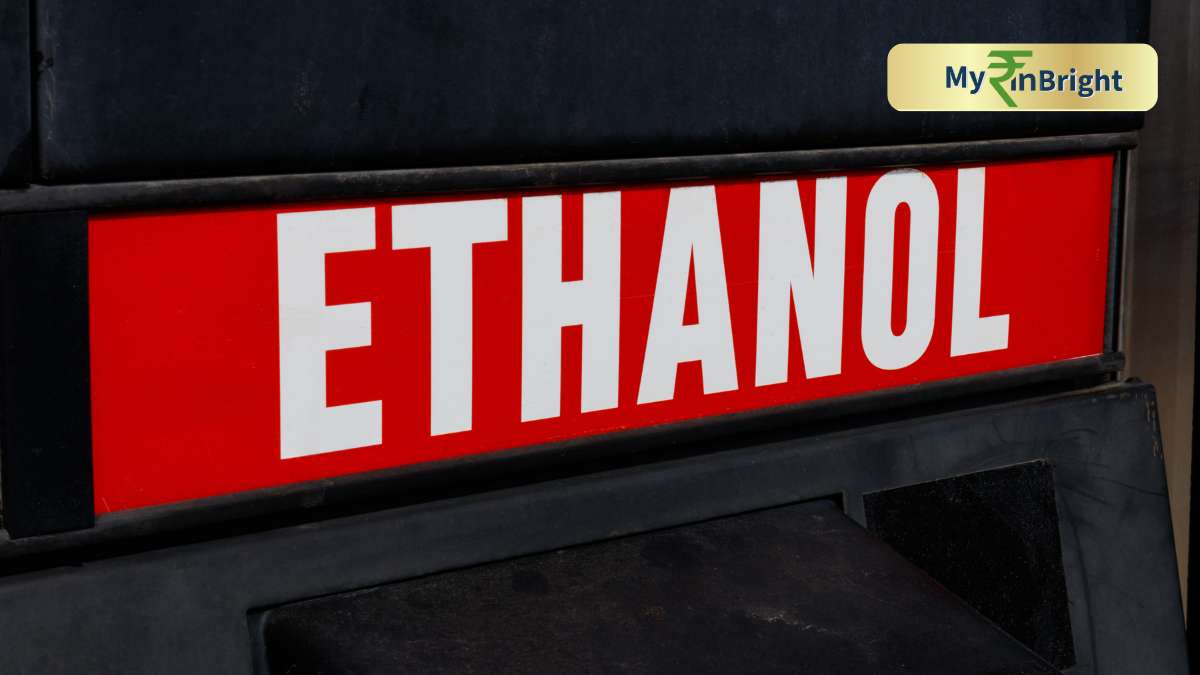
The minister said that any proposal to increase ethanol content beyond 20% was to be scientifically studied and discussed with manufacturers, oil marketing companies, and other industry players. That premium petrol grades will remain ethanol-free and provide consumers with an alternative fuel source as well, he said.
India met its ambitious 20% ethanol blending target (E20) ahead of schedule and is now one of the world’s fastest-growing biofuel programs. And this move is one of the key aspects of the government’s plan to cut reliance on imported crude oil, increase energy security and drive cleaner transportation fuels.
The ethanol blending programme has proved beneficial economically and environmentally for India in terms of pollution; India claims to have saved nearly ₹1.97 lakh crore in foreign exchange in terms of crude oil imports. It has also helped reduce carbon emissions and support the country in moving towards higher climate targets and clean air.
The policy has already been beneficial for the agricultural sector. Farmers have collectively earned over ₹1.66 lakh crore by providing sugarcane, maize, and other feedstocks for ethanol production. The increased agricultural production has created more income opportunities for the rural population and also strengthened the domestic biofuel industry.
But the ethanol blending programme still draws criticism from some automobile industry and consumer groups. Higher ethanol blends can hurt fuel efficiency and have lower mileage compared to conventional petrol. Older vehicles and some two-wheelers can also experience wear, corrosion, or compatibility issues with E20 fuel.
Consumer groups have also pointed to rising fuel prices, arguing that ethanol production and distribution costs could eventually be passed on to motorists. Automobile manufacturers have said that future increases in ethanol content need to be scientifically tested for compatibility with vehicles.
The latest clarification will reassure both consumers and automakers that there is no imminent plan to introduce petrol with ethanol content over 20%. Policy changes will be made in light of scientific evidence, technological readiness, and consultations with the industry.
With India balancing its clean energy ambitions with consumer interests, the ethanol blending programme remains central to the energy transition in India. Even though the E20 target has already had measurable economic and environmental advantages, policymakers will have to be careful in considering any further increases in ethanol content to ensure that the benefits outweigh the potential negative impacts on vehicles and consumers.








Comments
Please to leave a comment on this article.