
Private fuel retailer Nayara Energy has announced a deep reduction in prices which is going to be appreciated by local consumers as global crude oil prices are cooling down. In two locations, the company cut petrol prices by ₹5 and diesel prices by ₹3 per litre.
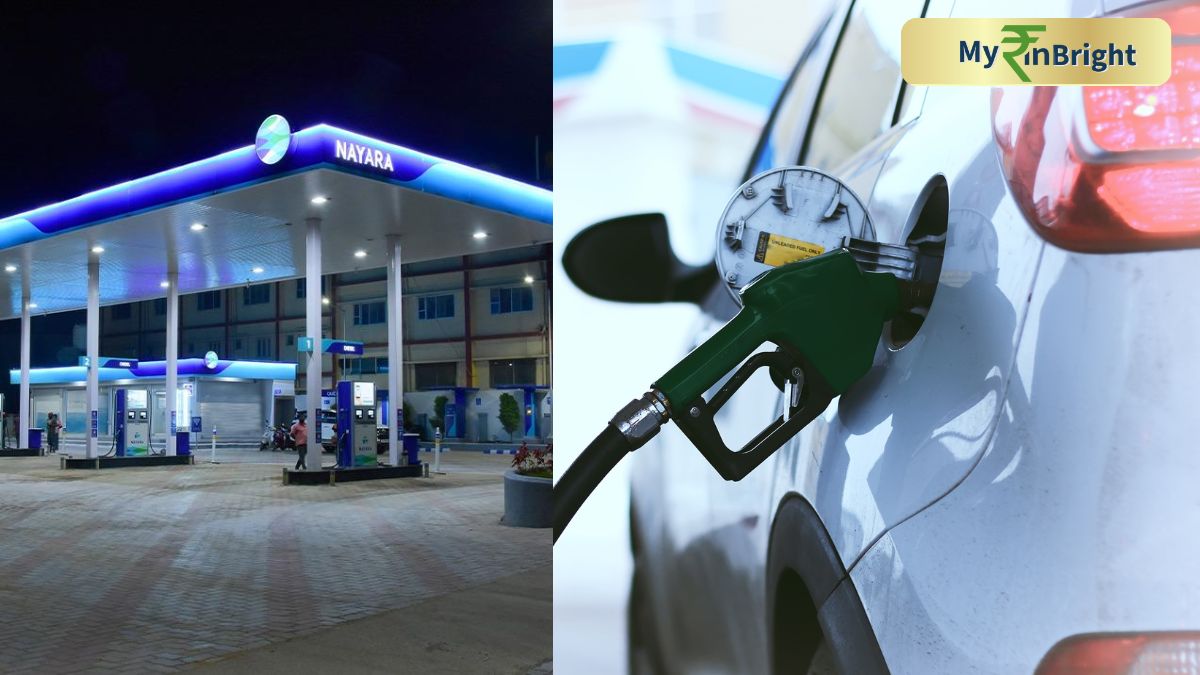
The decision comes as international crude prices have weakened and cost pressures on oil marketing companies become less pronounced. Nayara’s decision is consistent with the general trend of retail fuel pricing being consistent with the global market mood. Analysts say the cut could prompt other private and public sector players to make similar moves, in the short term at least if crude prices stay low.
The reduction is welcome relief for consumers who have had months of steady rates. Petrol and diesel prices have been at the heart of household budgets and transport costs and the price of essential commodities have been a big factor in household budgets and how much people spend on transport and on essential goods. The recent cut will ease inflationary pressures in Tier 2 and Tier 3 cities where fuel costs dominate daily life and the cost of fuel is becoming a big part of daily life is going to come down a lot more smoothly.
Nayara’s proactive pricing strategy, industry experts say, reflects competitive dynamics in India’s fuel retail business. State‑owned companies tend to wait for government signals to change rates and private players like Nayara can react to global trends very quickly. This agility makes them attractive to customers looking for immediate savings.
The cut timing is also significant. With monsoon rains in place, transport and logistics costs typically go up as demand and supply chain problems arise. Lower fuel prices could stabilize costs for businesses and consumers alike and cushion against seasonal inflation.
In short, Nayara’s price cut illustrates how cooling crude oil prices are translating into tangible benefits for Indian consumers. By lowering petrol and diesel rates the company has provided financial relief and set the stage for potential competitive adjustments in the wider fuel market. For households and industries, this is a positive change that will ripple through the economy in weeks to come.








Comments
Please to leave a comment on this article.