
Donald Trump has announced a major shift in American policy toward the Strait of Hormuz, saying the United States will act as the “Guardian of the Strait of Hormuz” again, reinforce a naval blockade on Iranian ports and seek reimbursement through a 20% fee on cargo crossing the strategic passageway. The news comes as U.S. and Iran are getting into another war and tension is rising in the Middle East.
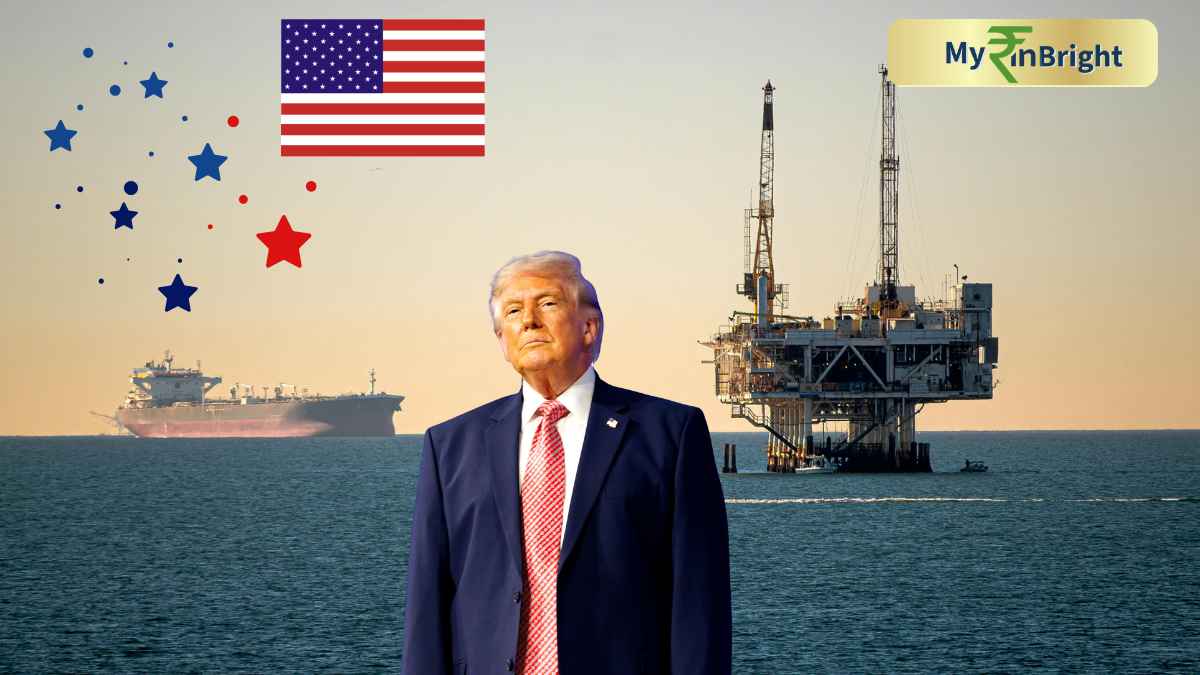
Trump said in a statement that the U.S. would guarantee safe passage for international shipping through the Strait of Hormuz and to keep Iranian ships and customers away from Iranian ports. He added that the proposed 20% charge on cargo would cover the costs of keeping the region safe and secure, one of the world’s most important maritime trade routes.
The Strait of Hormuz is one of the world's most important energy corridors and an important part of global oil and liquefied natural gas exports flows through the narrow waterway. Any disruption in the region has immediate consequences for international energy markets and global trade.
Because of Trump's announcement and recent military tension, Brent crude oil prices rose above $85 per barrel and shipping through the Strait dropped sharply as commercial vessels in the region seemed to be at risk of being attacked, they said.
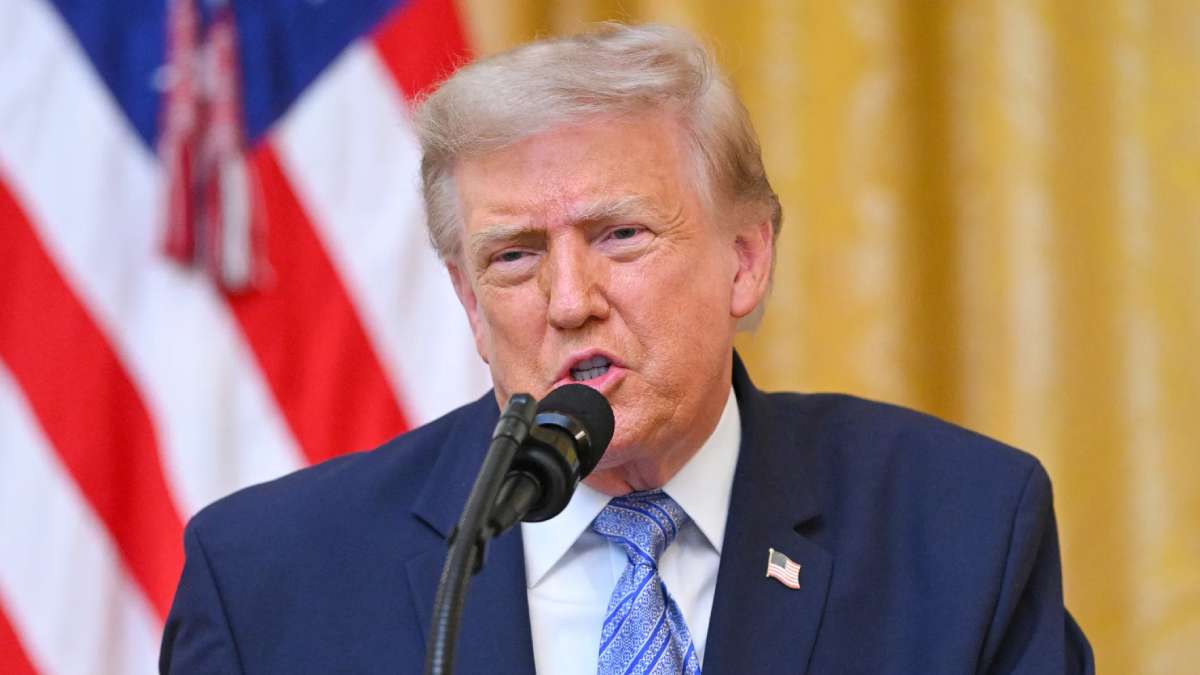
The announcement has been met with criticism from many world leaders. Brazil's President Luiz Inácio Lula da Silva declared the proposed cargo fee is in opposition to international maritime principles and Iranian Foreign Minister Abbas Araghchi called the move a form of piracy and as such the United States does not have the power to charge for vessels that travel through the international waterway.
The new measures are a dramatic departure from the long-standing United States policy of encouraging freedom of travel by international waters. Most analysts say that if the proposal is implemented it will have an enormous effect on international shipping, energy prices and trade -- and particularly countries in the Gulf that rely heavily on oil imports.
Even though the announcement has been widely discussed, it is not clear how the proposed cargo fee would be implemented under international maritime law or what would be its implementation. Legal experts have said such a policy would be challenged by affected countries and international organizations.
With global geopolitical tension rising and governments, shipping companies and global markets monitoring developments in the Strait of Hormuz constantly, we need to keep the situation on track with the Strait of Hormuz. How the proposed measures might affect international trade, energy supply, and regional security will be important in this crucial area in the coming days.







Comments
Please to leave a comment on this article.