
President Trump's biggest political and legislative victory came when the House voted for a $1.15 trillion defense bill in a vote that made clear Washington must take the issue of national security seriously as the Iran conflict continues to dominate global headlines.

The bill authorizes one of the biggest defense budgets in US history and it also funds military missions, the modernization of the military, advanced weapons systems, troop welfare and defense infrastructure. It also funds ongoing US military efforts to deal with the Iran conflict, which has driven up defense budget in recent months.
Trump Administration’s biggest win.
The House vote is seen as a major victory for the Trump administration, which has argued that increased defense spending is critical to combat emerging geopolitical threats. Republican leaders said that such funding is needed to enhance military readiness, support US personnel, and to make sure the country is prepared to face evolving security threats.
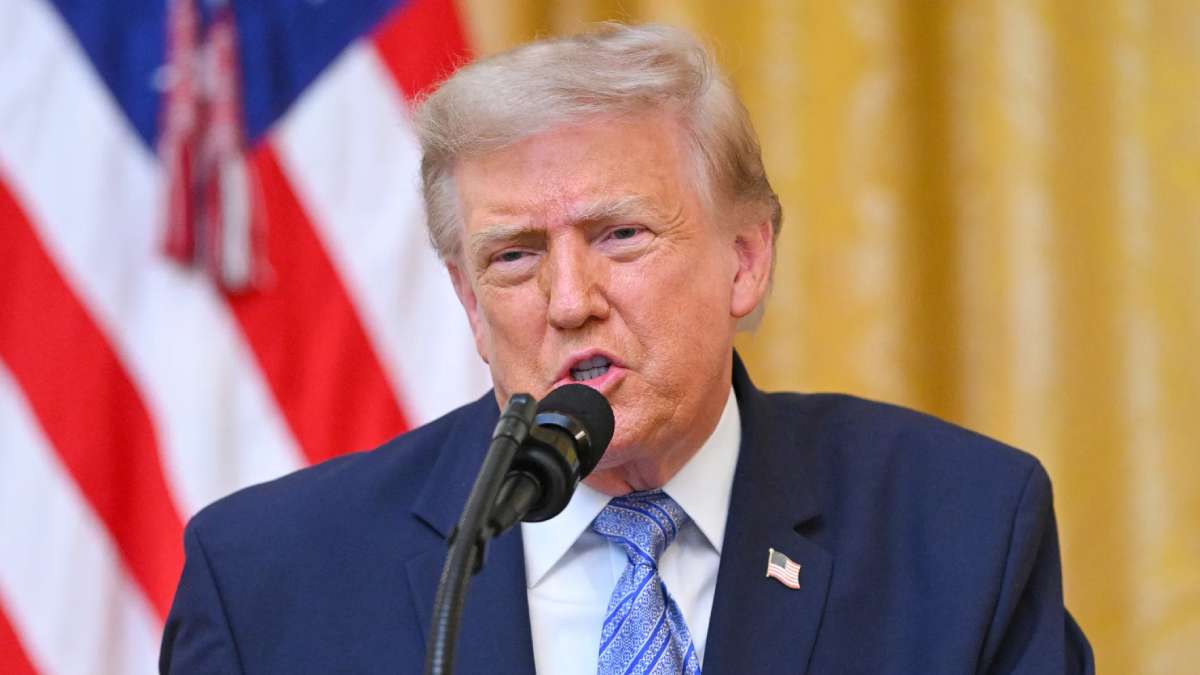
The legislation also reflects Trump’s own priorities for spending on the military—that is, more military capabilities and closer defense cooperation with the allies that are critical to the United States’ interests. But the bill has not been passed by the Senate and is still being debated in the Senate.
Democrats Voice Strong Opposition
And the defense package was a subject of lively debate on Capitol Hill. Most Democrats were against it, saying the increases in military spending were a threat to domestic programs. Some also voiced concern about whether the spending on military operations linked to Iran is going to increase.
Some lawmakers have expressed concern that the bill will only deepen US involvement in the Middle East and therefore add to the nation’s already outsized spending.
What is in the Bill?
The proposed legislation would fund:
Military operations, overseas deployments. Modernization of weapons and defense technology. Pay raises and benefits for service members. Military infrastructure and readiness programs. Greater defense cooperation with strategic allies. Continued support for operations related to the Iran conflict. What happens next?
The House has approved the bill, which is not yet law. The Senate would then have to pass its own version or take the House one before the two chambers could reconcile any differences. The final bill would be sent to President Trump for signature or veto. There will be more talks as lawmakers grapple with spending levels and policy provisions, political analysts say.
But the House vote nevertheless is an important step toward the administration’s defense agenda and underlines how national security remains a central issue as tensions with Iran continue.









Comments
Please to leave a comment on this article.