
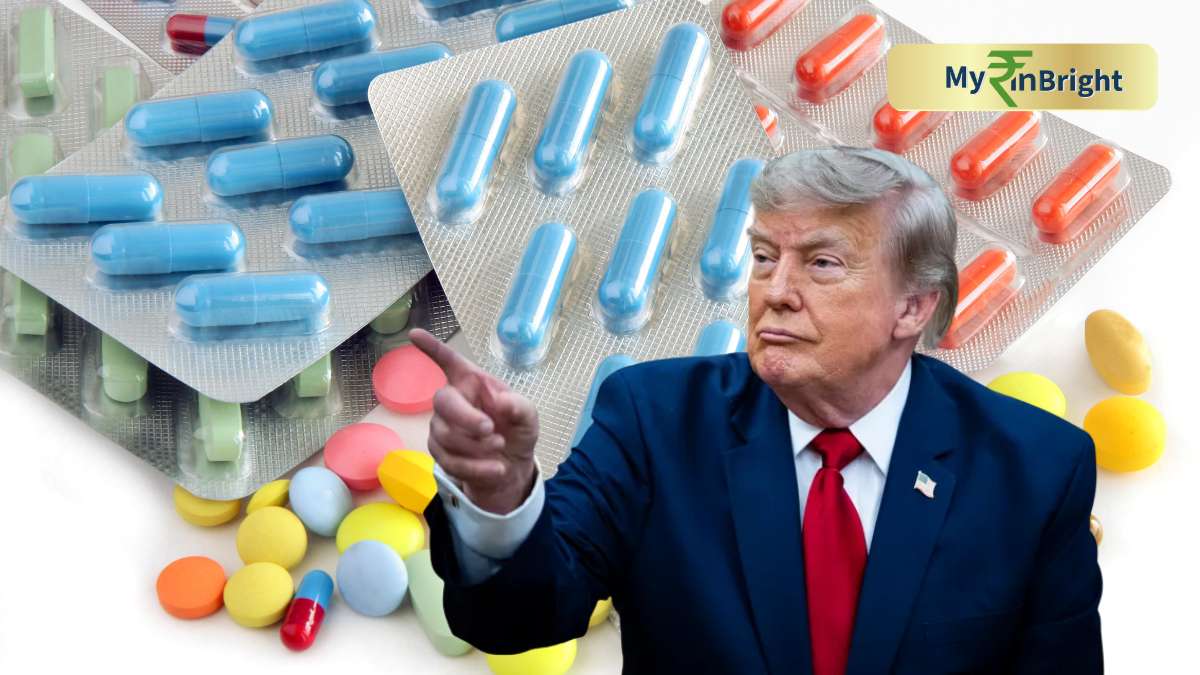
India’s pharmaceutical industry is worried about Trump’s proposed tariffs on imported generic drugs and is concerned they could lead to an increase in healthcare costs for American patients and disrupt the supply of affordable drugs.
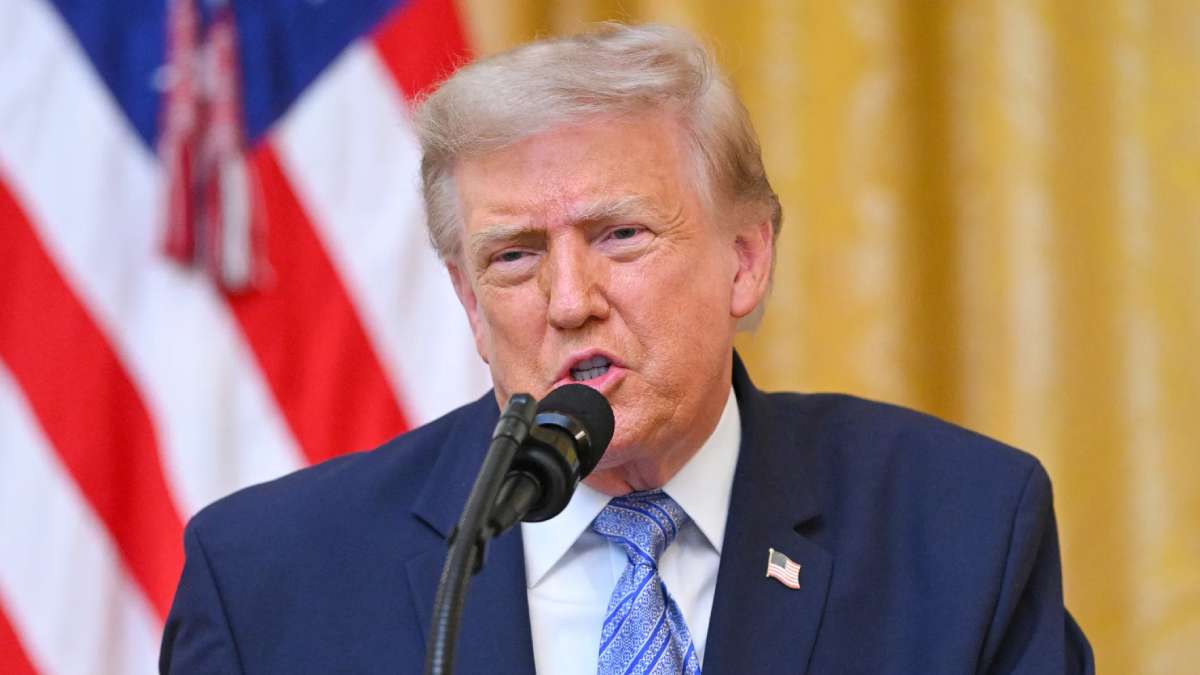
Trump announced that generic drug imports into the United States will continue to be subject to a 0% tariff until August 1, 2028, after which a 100% tariff will be followed by a 200% tariff. This would be one of the most significant policy changes affecting the global generic pharmaceutical industry.
Indian Pharma Voices Concern
Industry leaders say the proposed tariffs could have far-reaching consequences because India is one of the countries leading the global supply chain for generic drugs and is one of the largest suppliers of generic drugs to the United States. Indian manufacturers export a variety of affordable drugs for chronic diseases, infections, cardiovascular diseases, and cancer.
As pharmaceutical executives say, imposing tariffs would increase import costs for U.S. distributors and healthcare providers such as hospitals and pharmacy operators, and that could ultimately be passed on to patients via higher medicine prices.
Affordable Medicines at Risk
Generic medicines have an important role in lowering healthcare costs in the United States by providing cheaper alternatives to branded drugs. Indian pharmaceutical companies are responsible for much of the generic drug sales.
Industry representatives say that imposing tariffs of up to 200% could make many essential medicines considerably more expensive and have a negative impact on access to affordable treatments for millions of Americans.
Supply Chain Challenges
Apart from higher prices, pharmaceutical companies are concerned that the proposal could disrupt the established global supply chains. Many Indian drug manufacturers have established production networks and product lines in order to cater to the U.S. market with the high-quality standards set by the U.S. Food and Drug Administration (FDA).
Experts say sudden tariff increases could affect procurement decisions, delay product availability, and encourage manufacturers to reassess investment plans for the U.S. market.
Policy and Trade Implications
Trump has argued that the tariff is simply to encourage pharmaceutical manufacturing in the United States and to reduce reliance on overseas production. But Indian industry bodies say that manufacturing such as the one proposed would take time and investment and it would be difficult to replace current supply chains in the short term.
If the proposal is to be implemented, it will be a big topic for India and the U.S. trade talks.
Although the tariff schedule would provide a two-year transition period before higher duties take effect, Indian pharmaceutical companies are concerned about the long-term effect on both exporters and American consumers.
Industry experts believe that affordable access to generic medicines will continue to be the priority for healthcare systems, and future policy discussions are likely to be focused on balancing domestic manufacturing goals with the provision of affordable medicines and the treatment system for patients to get affordable access.






Comments
Please to leave a comment on this article.