
Donald Trump has announced that the US president is going to put a 100% tariff on generic drug imports starting in 2028, a move that will have a substantial effect on the international pharmaceutical industry and is a big deal for countries that export drugs to the United States, especially India.
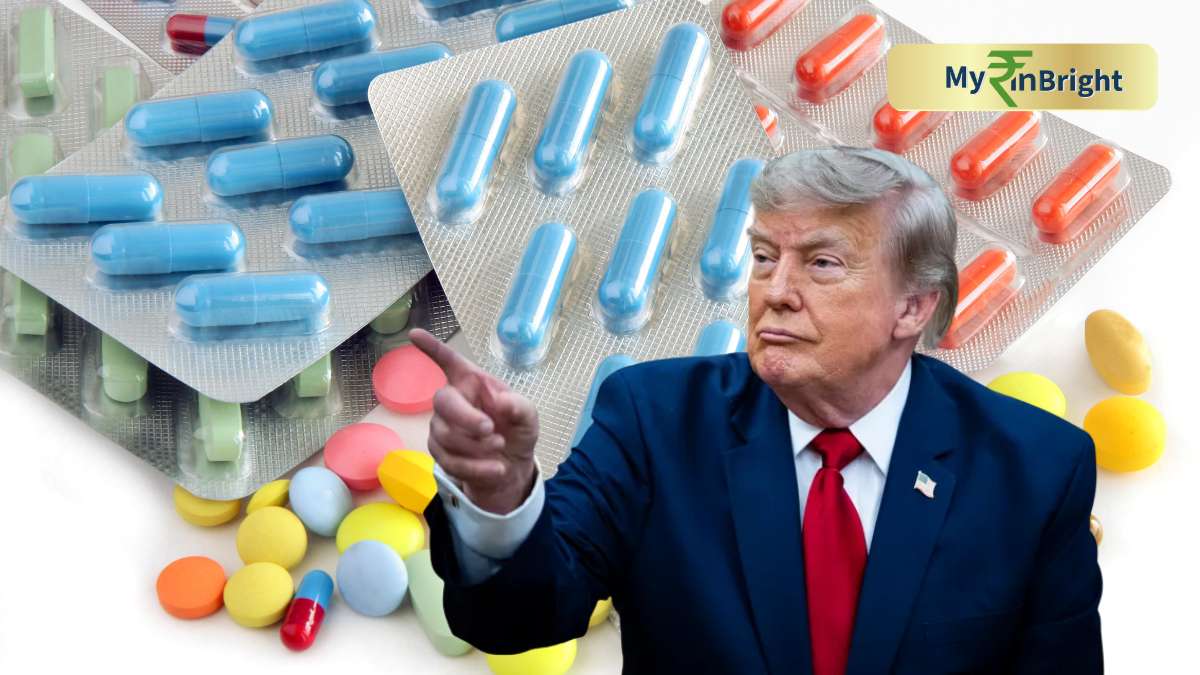
The move is in line with Trump’s proposal to encourage pharmaceutical companies to return manufacturing to the US. “The delayed implementation until 2028 is to give the drug manufacturers time to build or expand their manufacturing in the US before the new tariff takes effect,” he said.
Why Trump wants a 100% Tariff?
Trump has often said that the United States relies too much on foreign manufacturers to produce basic medicines. By imposing high tariffs on imported generic drugs, he aims to force drug companies to produce more medicines at home.
The proposal is in line with his long-term “America First” economic agenda, which is to make domestic manufacturing more attractive, create jobs, and cut back on global supply chains.
Supporters say it will enhance national health security by increasing domestic production of essential medicines. However, critics say that without expansion of US manufacturing capacity, prices for healthcare will increase and supply disruptions will occur.
Major effect on the Indian Pharmaceutical industry.
India is one of the world’s leading generic medicines suppliers and is very much a part of the US healthcare system. Indian pharmaceutical companies export billions of dollars of affordable medicines to the United States every year.
If enacted, this 100% tariff would have an undeniable impact on Indian drug manufacturers, in which case their products could become very expensive in the American market. Companies might have to expand manufacturing operations in the US or look to other global markets to minimize its impact.
Business analysts said the announcement could influence investment decisions in the pharmaceutical industry and in other sectors.
What it means for US consumers.
Generic medicines help keep healthcare affordable in the United States by offering lower-cost alternatives to branded drugs. A sharp increase in import costs could eventually result in higher prices for patients, insurers, and healthcare providers unless domestic production scales up enough to offset the impact.
Healthcare experts also say that a disruption in the supply of generic medicines could affect the availability of commonly prescribed drugs.
Looking Ahead
The proposed tariff will take effect in 2028 and pharmaceuticals will have a few years to adjust their manufacturing strategy. The future political climate, regulators’ decisions, and industry preparedness will determine if the policy is actually implemented.
For now, the announcement has caused a great deal of speculation across the pharmaceutical industry throughout the world, and investors, manufacturers, and healthcare stakeholders are now watching closely for the economic and health implications.
As one of the biggest suppliers of generic medicines to the United States, India's pharmaceutical industry is expected to remain at the center of the conversation in the next few years.





Comments
Please to leave a comment on this article.