
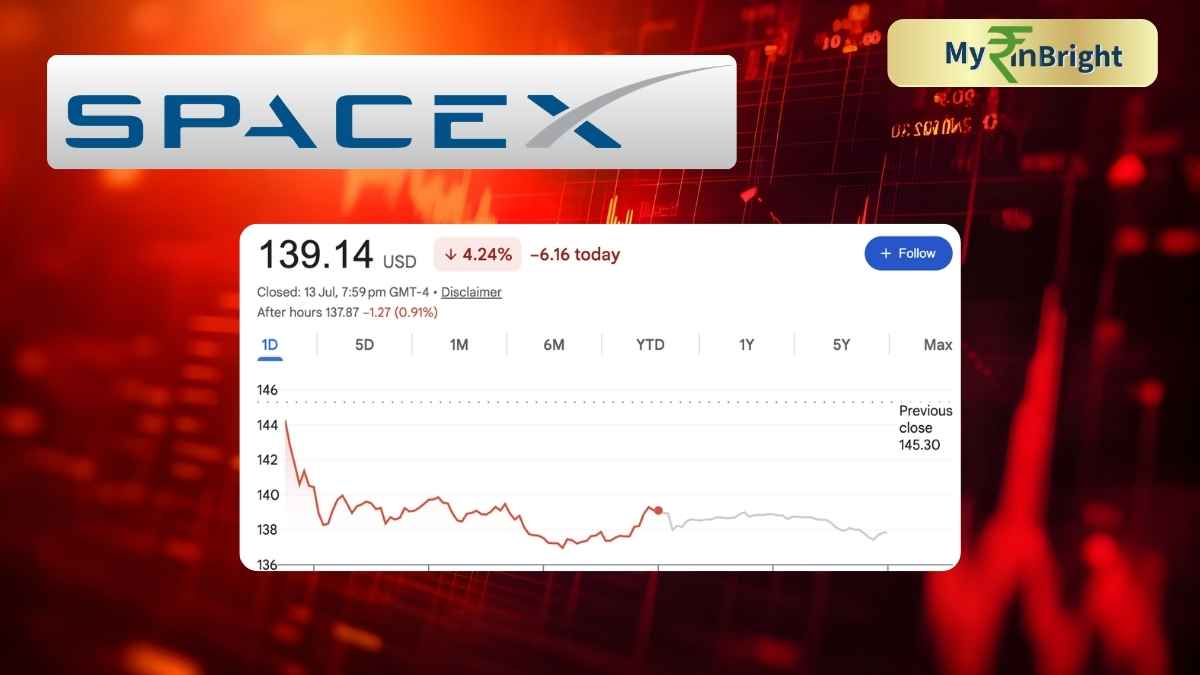
The SpaceX IPO just started, which is the world’s biggest public offering in a decade. The company announced yesterday that it will sell an additional 83.33 million shares through the first day of trading at $135 a share in the first day on the market.
The IPO, worth nearly $1.77 trillion, has already raised $75 billion and SpaceX’s debut is a record-breaking moment in global markets. The IPO is made up of 555 million Class A shares, and underwriters may buy the rest 83.33 million shares within 30 days.
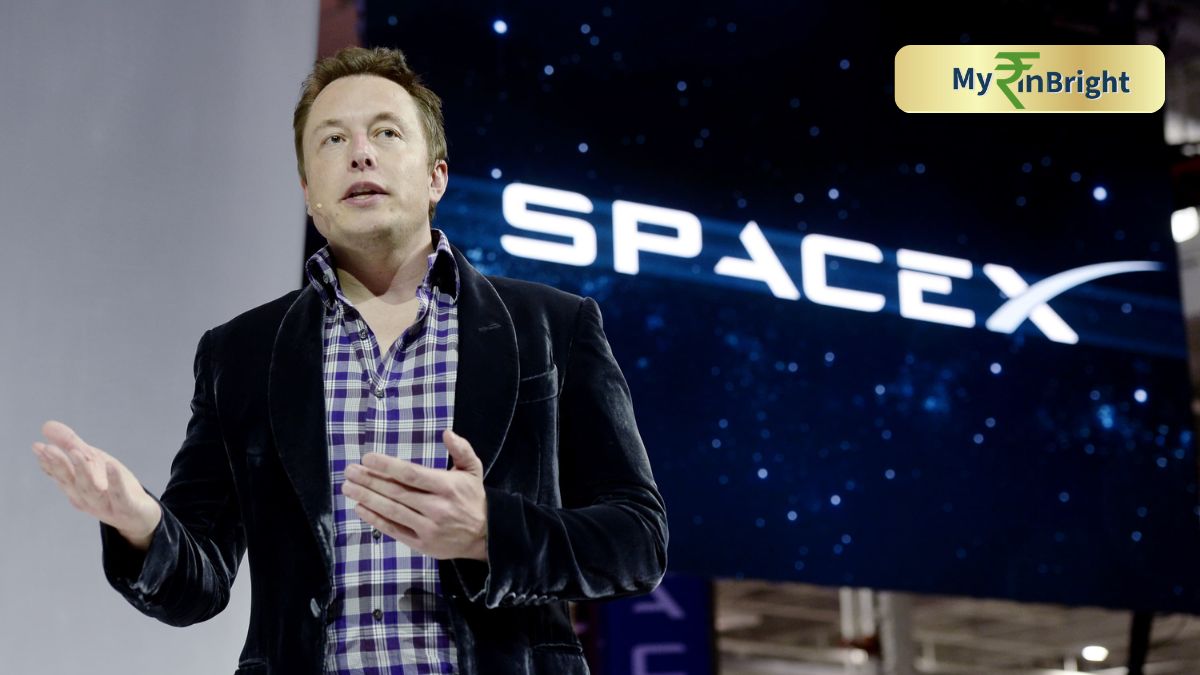
Elon Musk has emphasized retail investor participation and is targeting up to 30% of the shares into everyday investors across the U.S., Europe, Asia, and Australia. This approach is in contrast to the very traditional IPO structure, where retail investors are typically limited to 5-10%. Musk’s approach is based on the idea of democratizing access to SpaceX’s growth, especially as the company expands its Starlink satellite network, AI initiatives, and Starship launch program.
Market analysts say that the size and valuation of the IPO are unique and that they are both exciting and worrisome. But SpaceX’s dominant position in aerospace and satellite communications is not all that sexy, and regulatory approval is a bigger obstacle to the company while it is still taking on government contracts, and the timeline for Mars colonization is very high.
The IPO is managed by a consortium of global banks including Goldman Sachs, Morgan Stanley, J.P. Morgan, and Citigroup. Early trading has been buoyant, and investors are anxious to see how the additional share offering will impact the price stability in the coming weeks.
Finally, SpaceX’s IPO at $135 per share and the option of releasing 83.33 million more shares over 30 days for free, which will be released 83.33 million more shares and only one day after it’s made its first public offering at $135 and will be released on the stock market is a milestone in financial markets. And with the world’s largest IPO taking place, it is not only a new high but a new era in space and AI, and global investment in space exploration and world investment as well.



Comments
Please to leave a comment on this article.