
Elon Musk has lost a unique place of honor in the world of wealth charts as nearly $363 billion in value has evaporated with the fading frenzy around SpaceX. The dramatic collapse speaks to the volatility of markets in which high-growth tech companies are dependent and the danger of having too much wealth in one company.
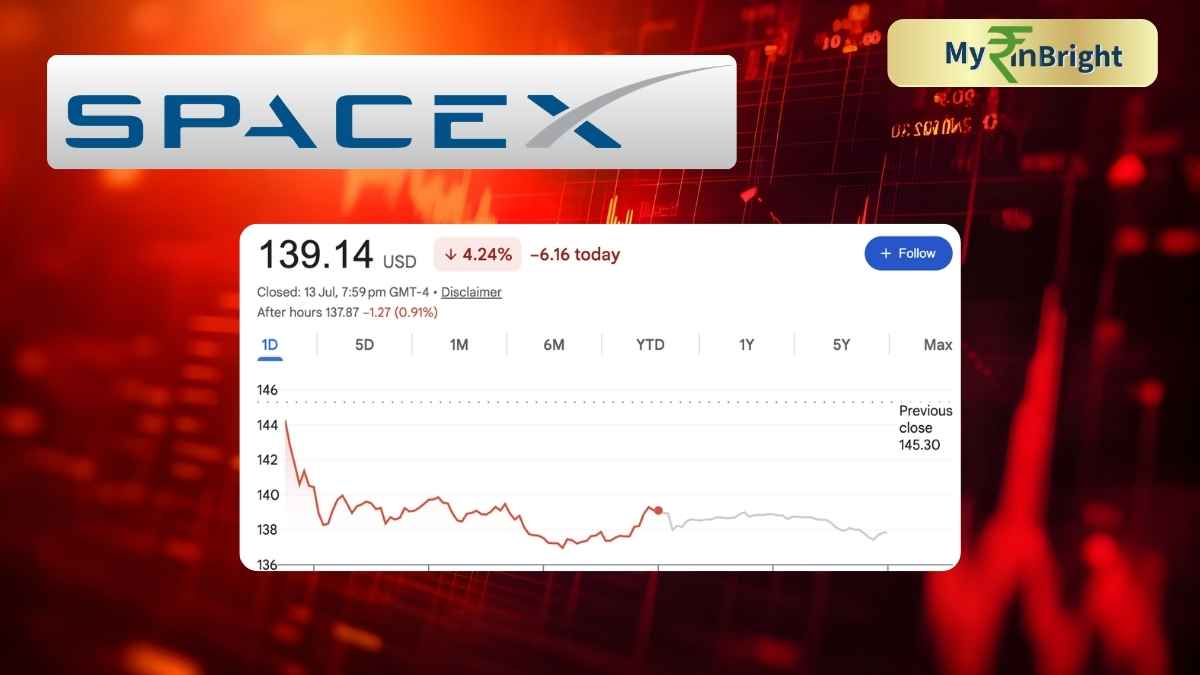
SpaceX, which jumped to historic highs after its blockbuster IPO earlier this month, has seen investor enthusiasm cool rapidly. The shares, once buoyed by optimism about space exploration and AI-linked ventures, have been sliding on the ground. Debt refinancing, sustainability ratings, and limited tradable shares are among the main reasons why, analysts say.
Musk’s wealth, which is heavily tied to his 38% stake in SpaceX, has taken a hit directly. His company’s valuation has dropped from nearly $3 trillion to just under $2 trillion in just a few days—Musk’s net worth has dropped by $363 billion. The drop has already taken him down the ranking of world billionaires, and he’s no longer the richest man in the world.
The cooling-off of investor interest reflects broader investor caution. SpaceX’s ambitious projects—Starship and the Starlink satellite network, for example—remain long-term investments that require a lot of money. Recent financial reports also indicate that the company has been unable to recover in the past few quarters and that there is significant doubt about future profitability at least at this point. The CCC ESG rating has also raised concerns among institutional investors about governance and environmental risks.
Even so, analysts remain conflicted on SpaceX’s future prospects. Some say the correction was bound to happen after the IPO hype, while others say it was inevitable, and that SpaceX's pioneering role in space exploration and communications will restore investor confidence. Musk himself has remained unrepentant and has been very confident that SpaceX is committed to colonizing Mars and expanding internet access in general, and more recently, in part because he has been exuberantly upbeat on the prospects.
The crash has been particularly painful for retail investors. Investors who rushed into the IPO at its peak have seen their gains wiped out. Market experts warn that SpaceX shares—only 4% of which are tradable—are extremely volatile and susceptible to big swings.
To sum up, Elon Musk’s $363 billion loss shows just how fragile the money that comes from speculative markets can be. SpaceX is still one of the most ambitious projects of all time, but as a result, the frenzy is dying away and even it is not immune to market realities. Musk’s rise to record highs and then a steep fall demonstrates how unpredictable innovation-driven capitalism can be.






Comments
Please to leave a comment on this article.