
India will need to significantly accelerate its pace of urbanisation to become a developed economy by 2047, according to Arvind Panagariya, Chairman of the 16th Finance Commission. Panagariya said that India should aim for around 60% of its population living in urban areas by 2047, and cities will be the key to creating jobs and boosting productivity to further the country’s economic growth.
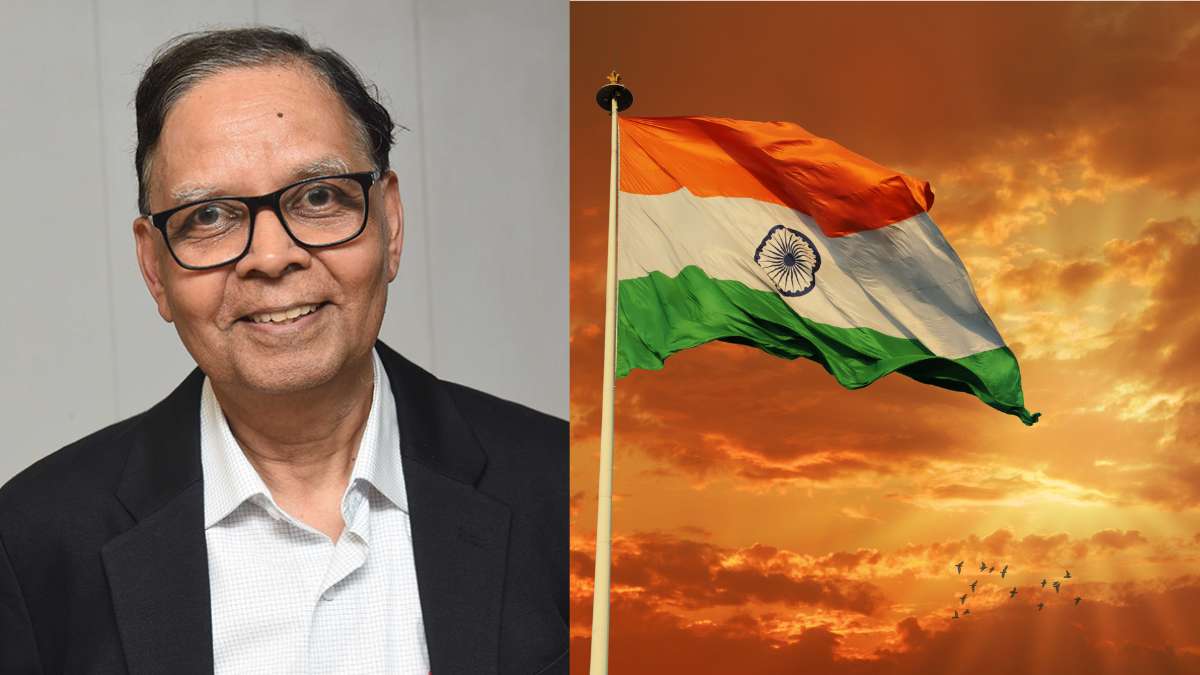
Panagariya’s comments underline the growing importance of India’s cities in the country’s development strategy. Urban areas are already major contributors to India’s economic output, and government and policy research has shown that the concentration of economic activity is in cities. A recent government report said that cities form only a small percentage of India’s land but account for around 60% of the country’s GDP, a fact that shows a close relationship between urban economies and overall growth.
But for 60% urbanisation to happen by 2047, there is more than moving people from villages to cities. Panagariya has stressed the importance of job-led urbanisation, where cities are built around employment opportunities. He has also proposed the idea of “special employment regions” for businesses and industries to create jobs and build new urban centres.
What is needed to make Indian cities more attractive to businesses and workers is for Panagariya to understand that states need to make cities more business-friendly and assist workers from agriculture to enter higher productivity urban jobs. Such a change could help shift workers into manufacturing, services and other areas which usually offer more opportunities for productivity and income growth.

India's urban transition will also involve significant investment in housing, transport, water supply, sanitation, healthcare, education and other infrastructure needs. And India’s current urbanisation process is inefficient and better planning and governance will be needed, argues policy research. The Economic Advisory Council to the Prime Minister has also suggested that integrated urban planning, data-based classification of urban areas and increased infrastructure investment will be a key element of the strategy.
The scale of the challenge is significant. India has historically had a relatively low level of urbanisation compared to many developed economies, yet cities have become increasingly important engines of growth. Increasing the urban share to 60% over the next two decades would therefore represent a major demographic and economic transformation.
Panagariya’s comments feed into the idea that urbanisation should be viewed as an economic strategy and not just a demographic trend. If managed well, growing cities could create millions of jobs, boost productivity and attract investment. But without adequate infrastructure, housing and employment opportunities, rapid urban growth could also put pressure on existing urban systems.
As India pursues its Viksit Bharat 2047 ambition, the development of productive, well-planned and employment-oriented cities is likely to remain a central policy priority.










Comments
Please to leave a comment on this article.