
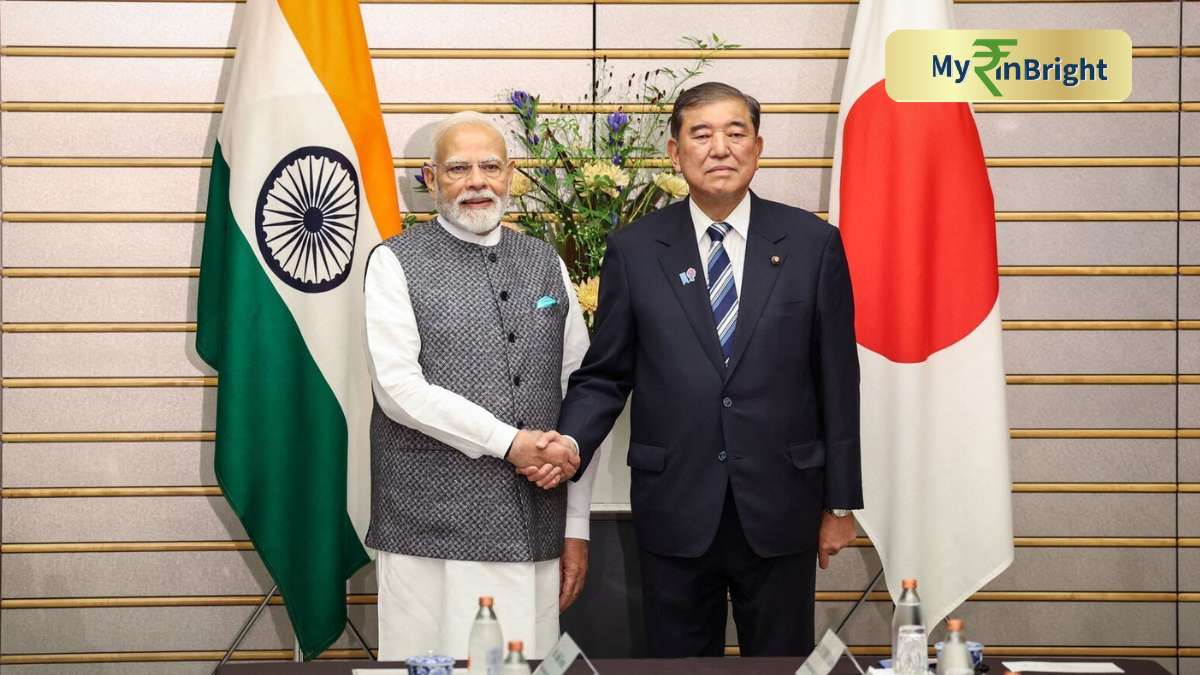
Japan will now recruit 50,000 skilled workers from Haryana from the north of the country to fill labour shortages in Fukuoka. This move will open the door to new employment opportunities for Indian youth and strengthen India’s ties to Japan.
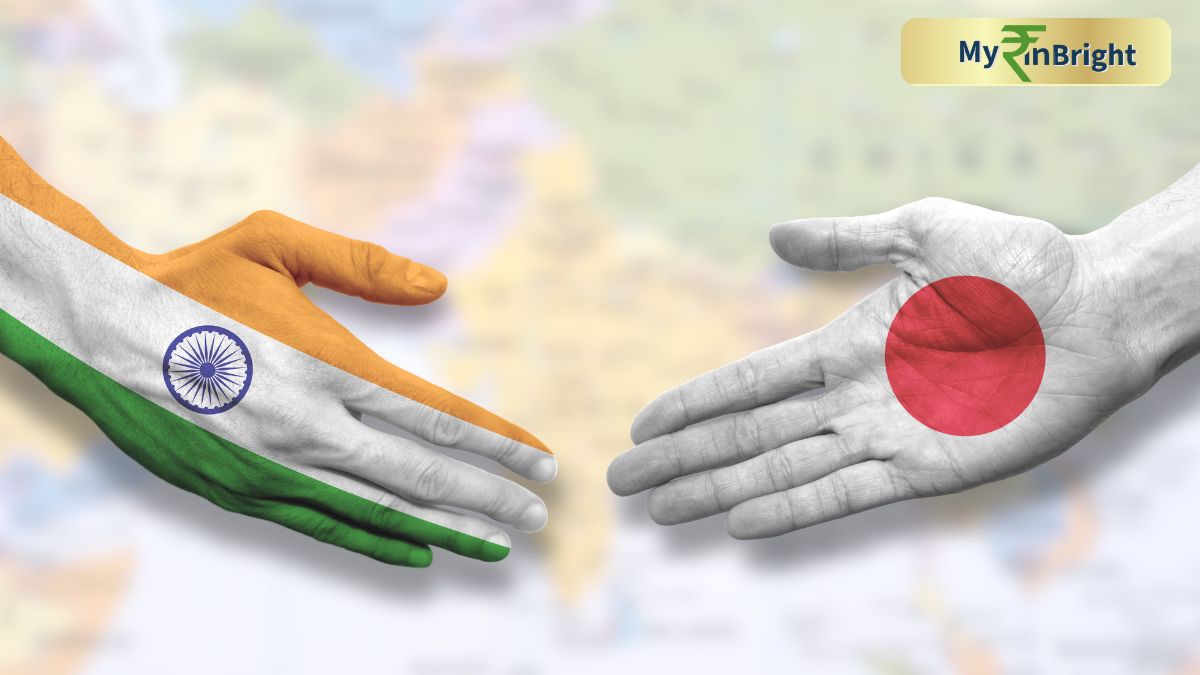
The Haryana government has already outlined a comprehensive training program to prepare candidates for this overseas employment drive. Students will be trained in Japanese language and technical skills, which will ensure that they meet the cultural and professional requirements of Japanese industries. Training modules will be in manufacturing, healthcare, construction, and services that Japan has experienced labor shortages in.
Such a program is designed not only to provide employment but also to increase the competitiveness of Haryana’s youth in the world. With language proficiency and technical knowledge, the state wants to build a workforce that can be integrated into Japan’s professional culture in a very smooth way.
Fukuoka’s demand for workers is emblematic of Japan’s broader demographic problems—aging population and falling birth rate. To maintain the economy, the country is turning to foreign workers to fill the gap and India’s skilled labor pool looks to be the best option. Haryana’s proactive approach puts it at the forefront of this international workforce exchange.

Industry experts say this effort can have far‑reaching effects. For Haryana, it means creating new routes for global employment, less domestic unemployment, and higher remittances. For Japan, it keeps up the supply of trained professionals that can support industries that are critical to its economy.
Japan’s decision to bring in 50,000 workers from Haryana is a watershed in international labor cooperation. With language and technical skills in hand, Haryana’s youth are going to be critical in filling Japan’s labor gaps, particularly in Fukuoka. Cross-border workforce mobility and the opportunities it offers for both countries are becoming more and more crucial, the program says.








Comments
Please to leave a comment on this article.