
The Indian rupee slipped 6 paise to 96.42 against the dollar in early trading on Tuesday, as it was still in a cautious mood in the foreign exchange market. The domestic currency opened at 96.41 in the interbank foreign exchange market, before weakening to 96.42, down from 96.42 the previous close.
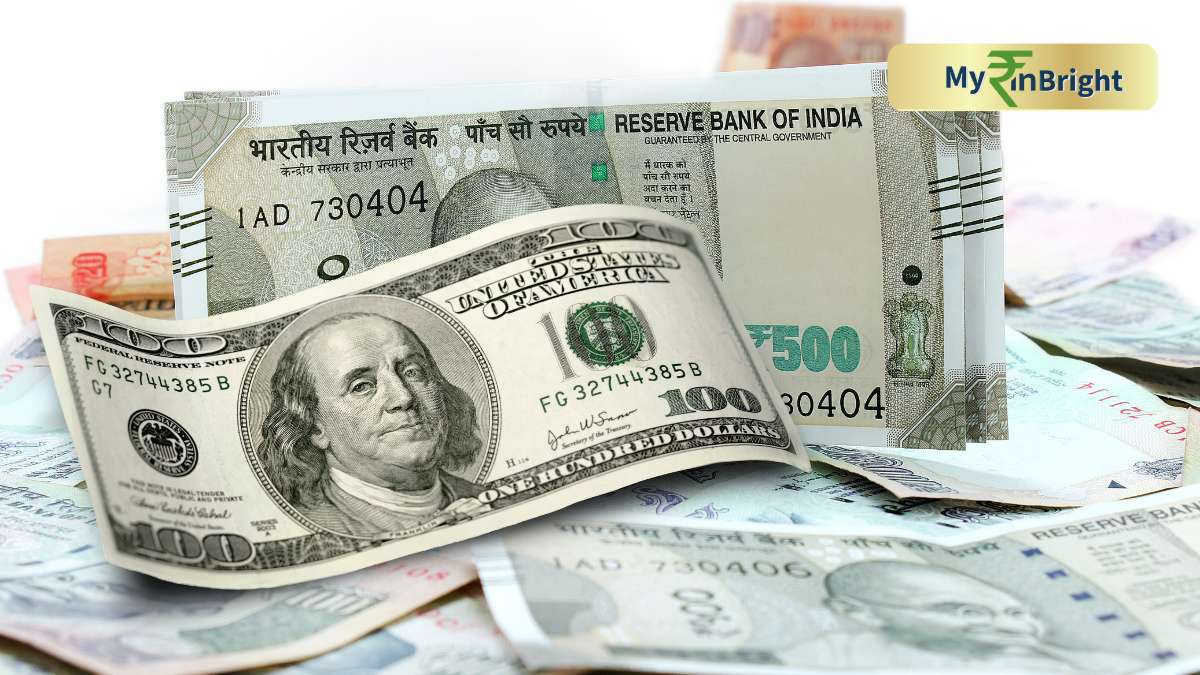
Currency traders attributed the rupee’s decline to global market developments, including continued strength in the U.S. dollar and crude oil prices and a risk-averse investor sentiment. It has also been affected by the fact that global economic growth, central bank policies, and geopolitical crises in the world economy are all factors that are affecting currencies as well.
The dollar remains firm against several major global currencies as interest rate policy and economic data from the United States are expected to keep the U.S. dollar strong. A strong dollar would increase the pressure on emerging market currencies, for instance, on the Indian rupee, and make imported goods more expensive and affect the flow of foreign currency.
Besides the global factors, traders are also looking at the movement of foreign institutional investors (FIIs) whose investment in the Indian stock and debt markets often influences the rupee’s direction. Persistent foreign fund outflows can weigh on the domestic currency, while sustained inflows tend to provide support.

Crude oil prices also remain an important factor for the Indian currency. The fact that India imports a big portion of its crude oil requirement and if global oil prices rise, then the country's import bill will increase and demand for the U.S. dollar will increase, which may impact the rupee further.
The Reserve Bank of India (RBI) will continue to monitor currency movements to keep it orderly, forex experts say, but they believe that the central bank will watch the Indian currency market closely and intervene in the foreign exchange market to maintain stability. The RBI has historically intervened in the foreign exchange market when there is excessive volatility that threatens financial stability.
Market participants will also be watching further domestic and international economic data releases for direction. Inflation figures, industrial production data, trade numbers, comments from global central bankers, and comments from the Bank of England, among others, will influence investor sentiment in the coming days.
A stable rupee is still important for India’s economy as it helps in curbing imported inflation and supports business confidence. Export-oriented sectors can also benefit from a weaker rupee as it will make India’s goods and services competitive with other countries.
For now, the rupee is under pressure and investors are still cautious about global uncertainty. Currency markets are expected to remain volatile as macroeconomic issues and global financial markets continue to evolve, with traders reacting to changes in the economy and global market dynamics.







Comments
Please to leave a comment on this article.