
The Indian rupee fell by 20 paise to 95.16 against the dollar in early trading on Wednesday as it is under pressure from rising oil prices, a stronger U.S. dollar, and a cautious mood in global markets. The domestic currency started weaker than last week because of global economic concerns and a stronger dollar.

The rupee is falling as global markets are on edge due to rising geopolitical tension and commodity price fluctuations. A stronger U.S. dollar index and higher crude oil prices are weighing on emerging market currencies (such as the Indian rupee).
Market participants said the recent rise in international crude oil prices remains one of the key factors affecting the domestic currency. As India imports a large part of its crude oil requirements, higher oil prices increase the country’s import bill and increase demand for U.S. dollars, putting downward pressure on the rupee.
Foreign institutional investor (FII) activity is also affecting the currency market. The foreign capital outflow from Indian equities and debt markets typically increases the demand for dollars, thus weakening the rupee. As a result, traders are closely watching FII flows and domestic economic data for further direction.
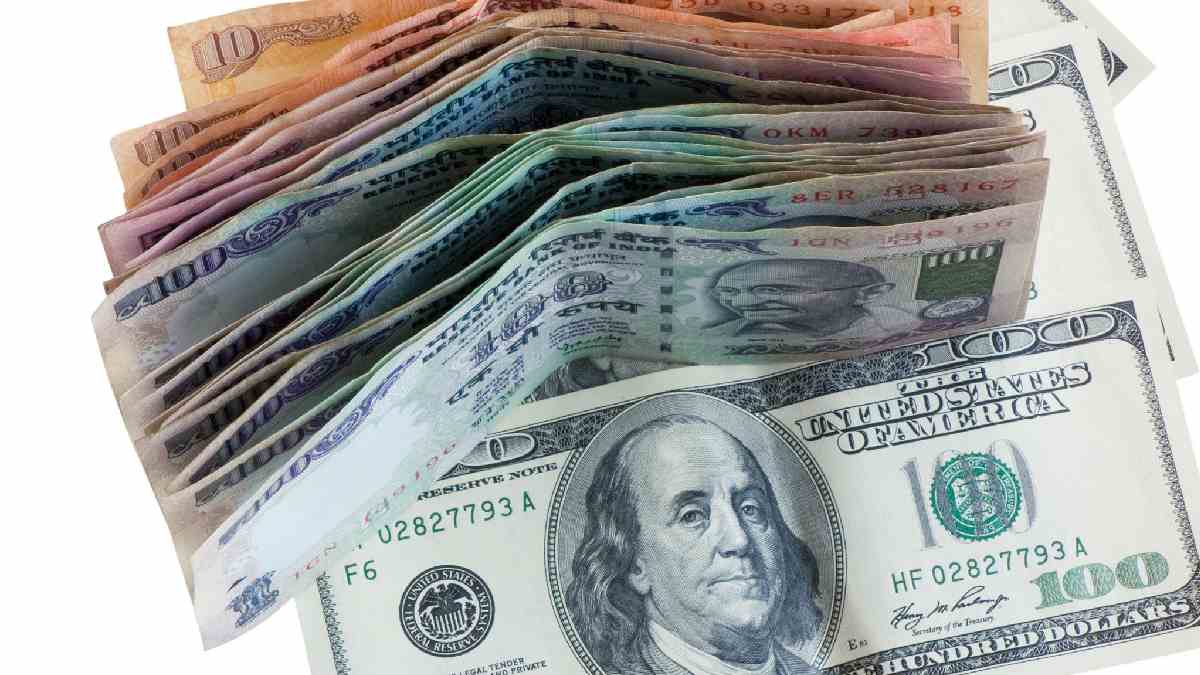
Currency analysts also noted expectations for the U.S. Federal Reserve’s monetary policy and global interest rate trends. A stronger dollar tends to draw global investment in U.S. assets, and thus reduce the flow of money into emerging markets and affect local currencies.
Despite the decline, experts think the Reserve Bank of India (RBI) has enough foreign exchange reserves in place to cushion against excessive volatility in the currency market, and they say it is possible that if needed to keep the market going, the central bank will intervene but will then allow the rupee to move according to market forces.
A weaker rupee will have mixed effects on the Indian economy. E.g. export sectors like information technology, pharmaceuticals, and textiles could benefit from higher input costs as they make their overseas earnings more efficient when converted into rupees. But industries that depend on imported raw materials such as oil marketing companies, aviation, electronics, and automobile manufacturers will have to pay more for them.
If the rupee weakens, the prices for imported goods, overseas travel, and foreign education would increase for consumers. But businesses that have huge foreign currency borrowings could be impacted by higher repayment costs if the rupee declines.
Investors will closely watch the domestic inflation readings, global crude oil prices, U.S. economic factors, and central bank policy decisions for clues about the near-term direction of the rupee for more economic signals from the central bank for direction of the currency. A greater global risk sentiment or a moderation in oil prices might support the domestic currency.
But even as the rupee slipped to 95.16 per U.S. dollar on the current global uncertainty, currency markets are still very dynamic. The rupee will continue to be influenced by global developments of the economy worldwide, prices of commodities, and capital flows in the near future as the situation changes in India, and investors will be sensitive to international factors in a dynamic world economic situation.






Comments
Please to leave a comment on this article.