
The Indian rupee fell to a record low against the US dollar on Thursday as global crude oil prices were rising, geopolitical tensions were still high, and the dollar was in demand in international currency markets.
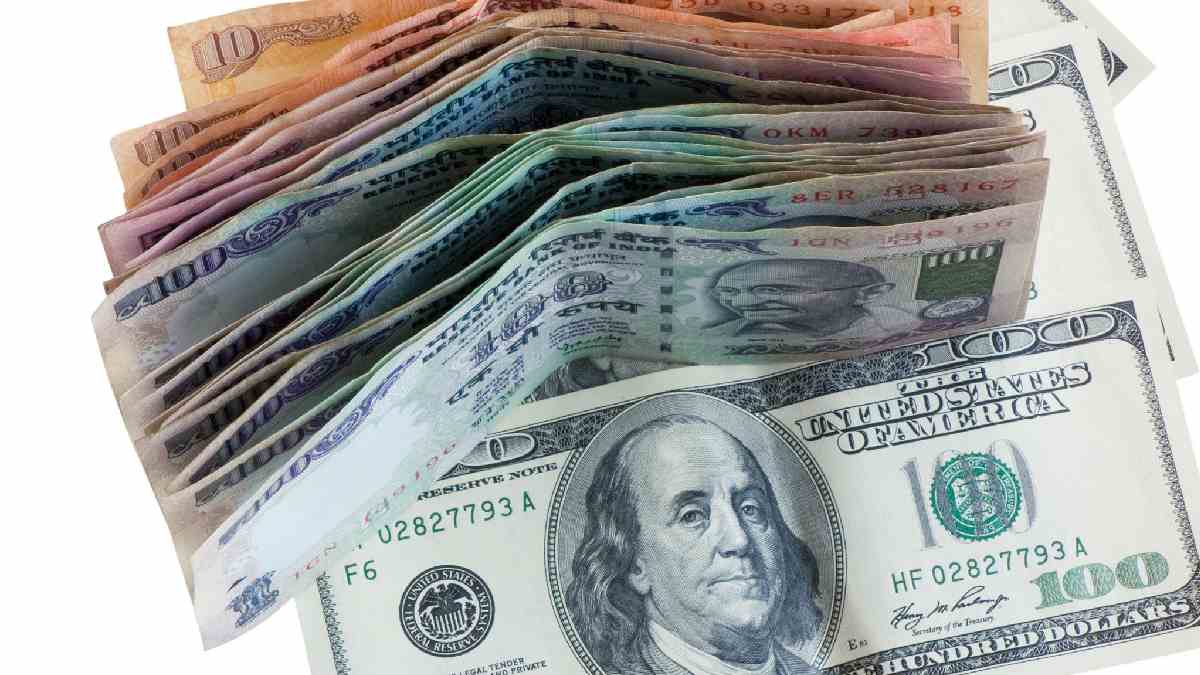
The decline is more worrying to investors as the Middle East situation has worsened, oil prices have risen, and the dollar has climbed against most emerging market currencies.
Why is the rupee falling?
India imports more than 80% of its crude oil requirements. Higher global oil prices raise the country’s import bill, driving up demand for US dollars by oil marketing firms. This puts downward pressure on the rupee.
2. Strong US dollar
It is the US dollar that is still strong on expectations for higher US interest rates and global demand for safe-haven assets. A stronger dollar tends to hurt emerging market currencies such as the Indian rupee.
3. Geopolitical tensions
Escalating geopolitical conflicts in the Middle East have increased uncertainty in global financial markets. Investors are turning to safer asset markets like the US dollar, and this further pressures the rupee.
4. Foreign fund outflows
Sales of Indian equities by Foreign Portfolio Investors (FPIs) can also increase demand for dollars, leading to currency depreciation.
What effect will the impact be in the Indian economy?
A weaker rupee can have both positive and negative effects:
Negative Impact
- Higher prices for imported crude oil and fuel.
- Higher prices of imported electronics, machinery, and other goods.
- Higher inflation due to expensive imports.
- Higher overseas travel and education costs.
- Positive Impact.
- Exporters will benefit when Indian goods are more competitive in the global market.
- IT services, pharmaceuticals and textile exporters could see better earnings from overseas sales.
What Could RBI Do?
The Reserve Bank of India (RBI) monitors the foreign exchange market and can intervene by selling US dollars from its forex reserves to curb excessive volatility if required.
Along with intervention, the RBI will continue to keep banking system stability and liquidity in place in the banking system as well as in the system.
Market Outlook
Currency analysts believe that the near-term direction of the rupee will largely depend on:
Movement in global crude oil prices. Middle East geopolitical tensions. US Federal Reserve policy decisions. Foreign investment flows into Indian markets. RBI's intervention in the currency market.
While short-term volatility is likely to persist, global macroeconomic developments will be closely monitored so that we can see how the rupee has evolved in the long run.







Comments
Please to leave a comment on this article.