
Trading is often seen as a game of charts, indicators and technical analysis. But those tools are useful only in a very limited context experienced traders know that the hardest thing is not the market, but feelings.
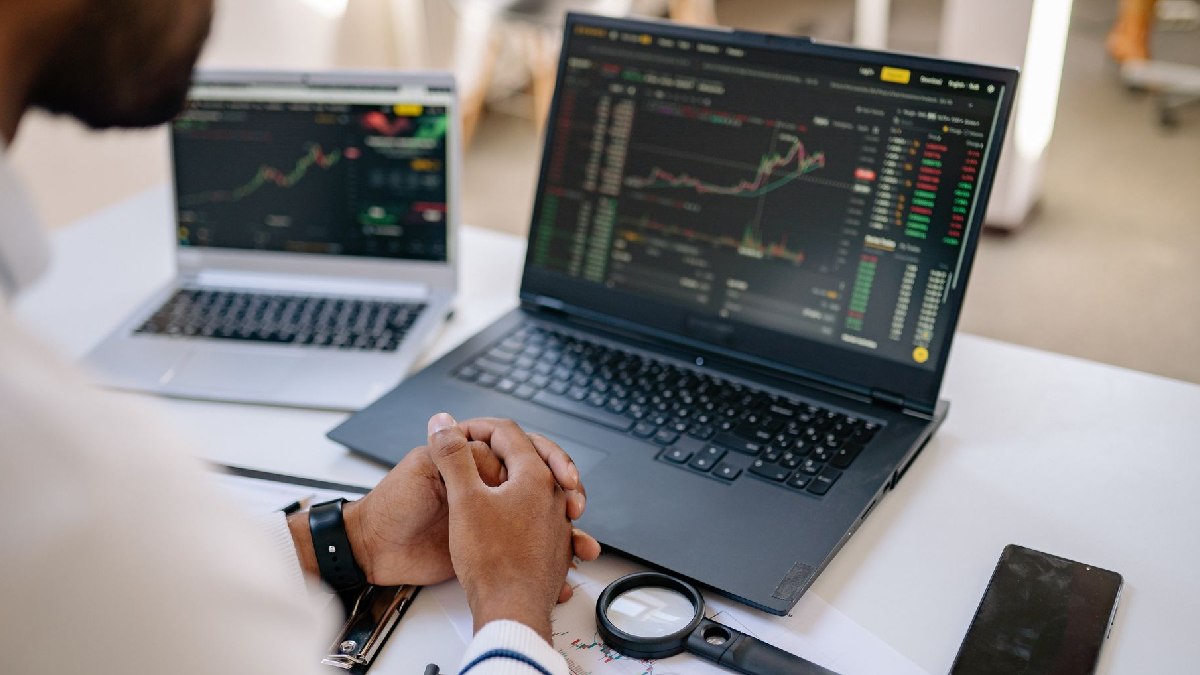
Emotional discipline is one of the most valuable skills traders need and can help them make rational decisions, instead of reacting to things too quickly.
Financial markets are not predictable and no strategy works every time. Trading is all about winning and losing.
But traders who allow emotions e.g., fear, greed, frustration or overconfidence to shape their decisions are often making costly mistakes.
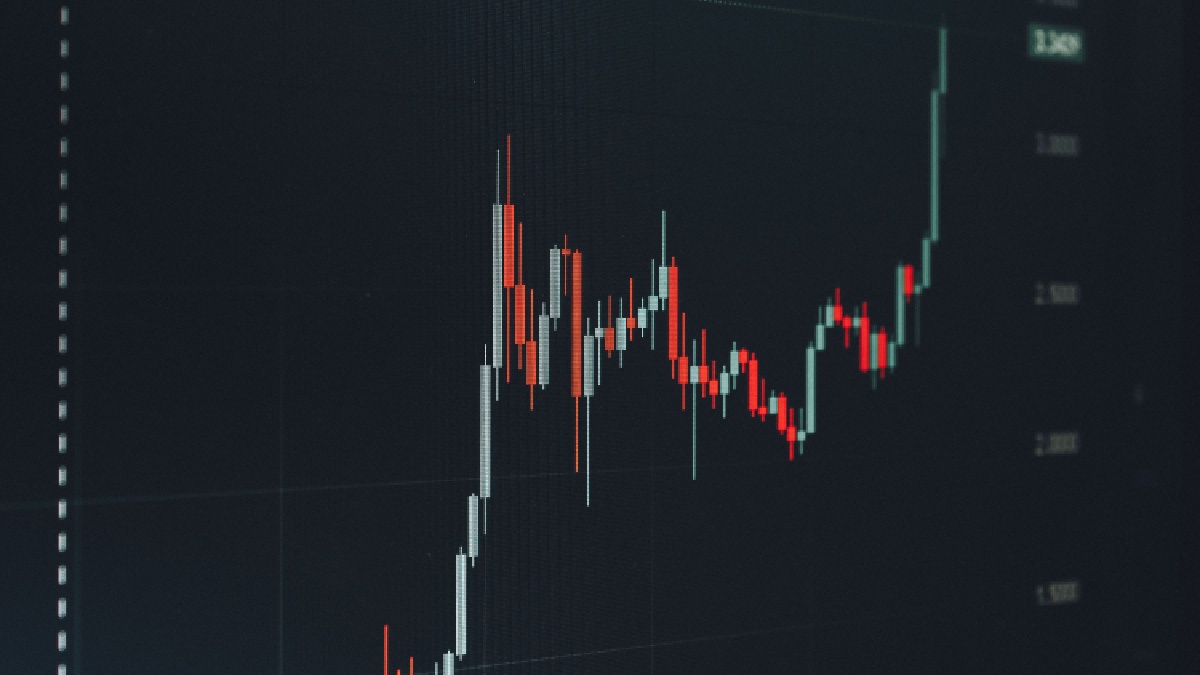
Fear usually arrives after a series of losses or during market volatility. It can cause traders to exit profitable positions too early or to ignore trading opportunities completely.
On the other hand, greed can cause traders to hold positions for too long, ignore their profit targets and take risks that are too big in order to achieve big gains.
Revenge trading is another common emotional trap. After a loss, traders make quick calls to new trades without a lot of thought and lose money, and also in the short term they can lose a lot of money.
Obviously, the trader is also likely to have a larger loss through such action, so he or she is also not careful about risk management and will go against the rules of risk management in the long run.
Emotional discipline starts with having a trading plan
A trading plan should have clear entry and exit points, position sizing, stop loss levels, profit targets, and risk management guidelines.
The trader has no choice but to follow the plan, and if the plan is made, the trader will be required to keep it up to date, no matter what happens in the short-term market.
For risk management, controlling emotions is as important as the emotion itself. Professional traders never risk a large percentage of their own money in a single trade.
They manage their emotions and focus more on long-term profit and less on short-term loss.
Keeping a trading journal is another good practice
Record every trade, including the reasoning behind it and the emotions involved when it was performed this helps traders see recurring psychological patterns in the process of execution and is an effective way to understand their psychological patterns.
With self-awareness comes better decision making and continuous improvement.
Patience matters equally
Many traders don’t make much money simply because they are so committed to having to trade constantly. Successful traders know that sometimes the best trade is no trade at all.
Waiting for high-probability setups can significantly improve consistency.
It’s the same for emotional discipline keeping healthy and active at the same time. Good sleep, frequent exercise, stress management, and taking breaks from screens can decrease the impact of impulsive behavior in trading sessions.
Trading success is not about predicting every market move it is about consistently following a disciplined process, accepting losses with integrity, and not getting emotional about them.
Market movements will always change with time, but traders who are able to manage their emotions are much more likely to achieve long-term success than those who rely solely on technical skills.
In trading, controlling your emotions is often more important than finding the perfect strategy.
Good strategies will never be the same, and the best traders are separated by discipline.






Comments
Please to leave a comment on this article.