
Every trader dreams of finding the “perfect” trading strategy that wins consistently with little loss. Everything you know about stock market trends and trading blogs suggests algorithmic systems, momentum trading, scalping or day trading to be the best way to get in and do well. It's all good and easy but the reality is far less glamorous. There is no holy grail in trading. What long-term success is not in finding perfect entries, but rather in developing a mathematical edge, managing risk and staying emotionally disciplined.
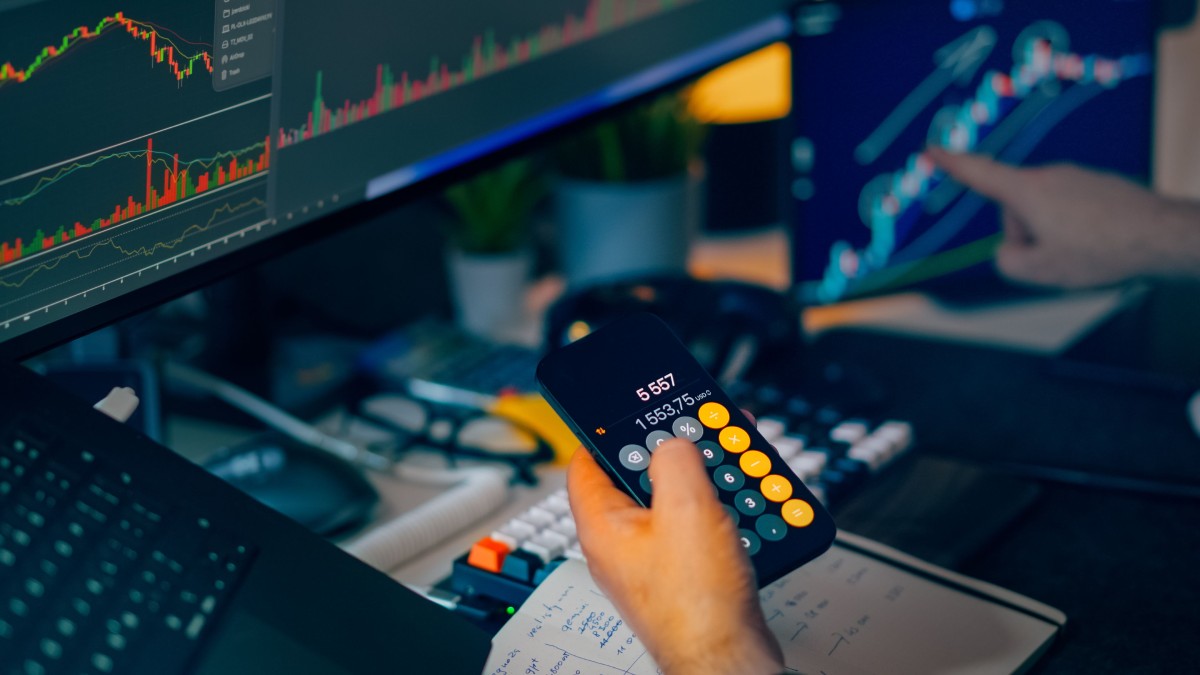
The most common misconception of beginners is that high win rate will automatically result in high profits. New traders are looking for strategies that can achieve 80% or 90% success rates. But these systems often lack one key ingredient, and that’s a major flaw: They expose traders to big losses when they fail. A strategy that wins so often but suffers big losses sometimes can quickly wipe out months of gains.
Professional traders don't do this. The most successful hedge funds and trend-following traders have win rates of 30 percent to 50 percent, and while winning less than 30 percent of the time they will still make so much money because their winning positions are much larger than their losing ones. A trader can make positive returns if they keep a risk-to-reward ratio of 1:2 or even 1:3 even if more than half of their trades are lost. This shows one thing: the bigger the winning and losing trades, the better the profits.
Risk management is commonly called the real trading strategy. Market analysis does help to identify opportunities, but risk management keeps traders in the game for the long term. The most common rule among professionals is the 1% rule: one should only risk up to 1% of the trading capital on a single trade. This way a series of losing trades won’t affect the trading account emotionally.
A key tool is the 'stop-loss order'; professional traders never make a trade without knowing what they are going to lose if the market goes against them. A pre-set stop-loss removes emotions from decision-making and prevents losses from getting out of control. Stop-loss orders, and disciplined position sizing, help to keep capital even in the midst of market turbulence.
Capital preservation is equally important. Experienced traders know that protecting profits is just as important as generating them. Some withdraw their initial investment after doubling their account so they trade only with their profits. Other traders can reduce position sizes in a volatile market or scale out of highly volatile trades to minimize exposure.
The financial markets come with multiple trading styles for different personalities, time horizons and risk appetites. Algorithmic and quantitative trading are becoming more prevalent in today’s markets, particularly among institutions. Instead of being driven by emotions or intuition, computer algorithms and statistical models that identify repeatable market patterns and execute trades automatically are useful for more consistent and reliable trading strategies in that they can remove emotional bias from the trading process.
Swing trading provides the opportunity to have a long-term position for some days or weeks. Rather than reacting to price moves and market trends on the whole, swing traders look at market and economic trends. Trade duration is longer and risk-to-reward is better, and less screen time is required for day trading.
Day trading is where you open and close your position in the same trading day. Traders profit from short-term price fluctuations with momentum trading, breakouts and scalping. Day trading can yield instant returns but it also requires attention to the market, quick decisions and extreme emotional discipline to be in control of your price. And even the best high-risk trades can be very expensive if there is no control on your risk.
Momentum trading is also popular to buy stocks with a high momentum that is upward or downward (price movement). The strategy is to take advantage of trends before they become weak. But momentum can fade quickly and so a controlled exit strategy and risk management is required.
Psychology is still an important factor in success no matter what strategy is chosen. Fear, greed, overconfidence and impatience are the reasons that traders stop their plans, increase position sizes too quickly and hold losing trades too long. Professional traders have to deal with these problems by keeping a good plan to trade and by keeping detailed trading journals.
As I said, there’s no single trading strategy that results in high profit. Algorithmic systems, swing trading, momentum trading, and day trading can all work well under the right conditions but none are good enough to overcome poor risk management or emotional decision making. The traders who succeed are those who have mastered a firm position sizing strategy, good stop-loss management, a good risk-to-reward ratio and emotional intelligence and the ability to manage their emotions. In the financial market, sustainable profits are not about winning all of the trades but how one can manage every trade wisely.







Comments
Please to leave a comment on this article.