
Many people face the same frustrating and seemingly unanswered question: “Why can’t I save money?” For many people who have a stable income, you know that you find yourself unable to save money for one month. If your bank account is always depleted by the end of the month, you are not alone in this challenge. Saving money is not simply about how much money you make, but that is embedded into your spending patterns, your financial planning and in your execution of your plans.

Saving money is one of the most crucial steps you can take to achieving financial security. It enables you to make significant investments such as buying a home, planning a much-needed vacation, or launching a new business. And it prepares you for unexpected emergencies that life may throw your way. And so to understand why you struggle to save money is the first essential step on the journey to transforming your financial situation.
1. You Spend More Than You Earn
Overspending is one of the biggest reasons people do not save money. The little daily expenses that seem insignificant— that coffee, food delivery, online shopping, streaming subscriptions and the likes— can quickly build up. As much as each of these may seem small when seen in isolation, they together consume a large portion of your income during a month.
What is the best way to determine if you’re in need or just a spur-of-the-moment impulse purchase?

2. You Don’t Track Your Expenses
Many people don’t know where their money goes every month. Without tracking your expenses you don’t have control over your finances, so you can’t see through your spending patterns.
All of your expenses are recorded, and recording all of them will help you identify what is going on, and where you can cut back on how much money you spend. Budgeting apps, tracking your expenses (and keeping track of them with spreadsheets or simply writing down your expenses in a small notebook), or even a simple notebook can make you a lot more financially knowledgeable and then you can get back in touch with the budget.
3. You Don’t Have a Budget
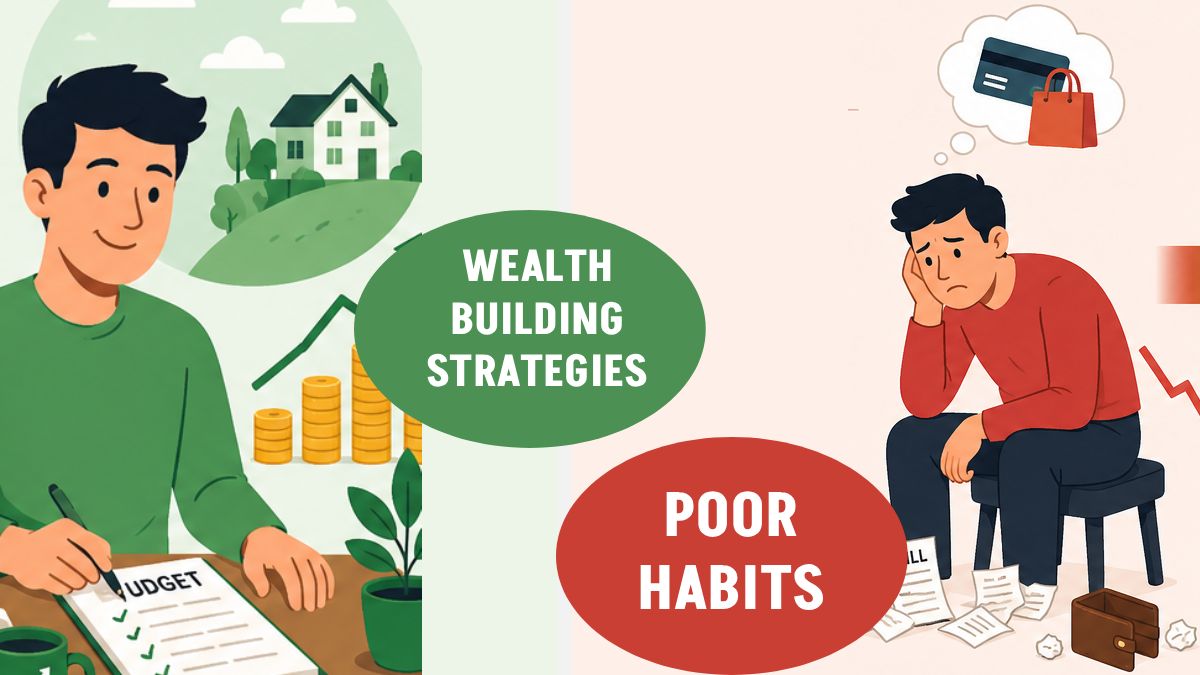
The monthly budget is your financial roadmap that guides you toward your financial goals. Without a structured budget you will have unpredictability in how you spend and that will prevent you from saving consistently.
A full budget should include the following categories:
- Basic living expenses.
- Savings contributions.
- Debt repayment.
- Entertainment spending.
- Contributions to an emergency fund
If you have a thoughtful plan of how you are spending your money you will have your money directed to your goals, not just the money that is simply deposited in the bank and not what you have in reserve for that purpose.
4. You Save Whatever Is Left
One of the most disastrous ways to save money is to save whatever is left over at the end of the month. For many people, this often results in very little, if any, savings.
Instead, follow the strategy of “Pay Yourself First.” As soon as you receive your salary, put a set amount in a savings or investment account. Your savings are your monthly budget, so they can be considered a monthly expense that you must pay, much like your rent or utility bills.
5. Debt Is Consuming Your Income
High interest debts (i.e. credit card balances and personal loans) can consume much of your monthly income. The more money you spend on interest payments, the less you have left over for savings.
Paying off high interest debt would be one of your top financial priorities. If you can cut or eliminate some of it, you will have a much better chance to save more for the future which will be for your future.
6. Lifestyle Inflation
Hence lifestyle inflation occurs when people spend more to meet their increasing incomes. As salaries go up people are in a position to buy more expensive cars, gadgets and meals.
However, your income may increase but your savings should grow. Don’t spend your money on something you can’t afford if you get a raise. Put a little more of that increase toward your savings or investments.
7. Unexpected Expenses
Life is unpredictable, and if you go out of your way to pay for something unexpected— medical emergencies, car repairs, home repairs, temporary unemployment— you are likely to run out of money very soon.
Establishing an emergency fund is a timely step that can help shield you from these unexpected financial shocks. A well-funded emergency fund reduces the need to rely on credit cards or loans during difficult times.
8. Practical Ways to Start Saving Today
If you want to build a savings cushion, follow the following simple yet effective habits:
Every month, you are not only able to track each and every single expense for one month to get a clear picture of your spending habits, but also to see how much money you spend. Create a realistic budget for one month to know about your spending habits. - Set up and stick to your budget in a realistic budget in the future for your financial goals. Cut off unnecessary subscriptions and avoid impulse spending and avoid unnecessary subscriptions and avoid impulse spending. And automate your saving process for payday savings in one month after payday to make sure you save up for a better sense of your savings process.
Pay off high interest debt as soon as possible quickly as possible to save up more of your money and to save more of your money to pay off high interest debt. Building an emergency fund for disaster relief to be able to get ready for a crisis. - Increase your savings contributions as your income increases and make sure your savings continue growing with your financial situation.
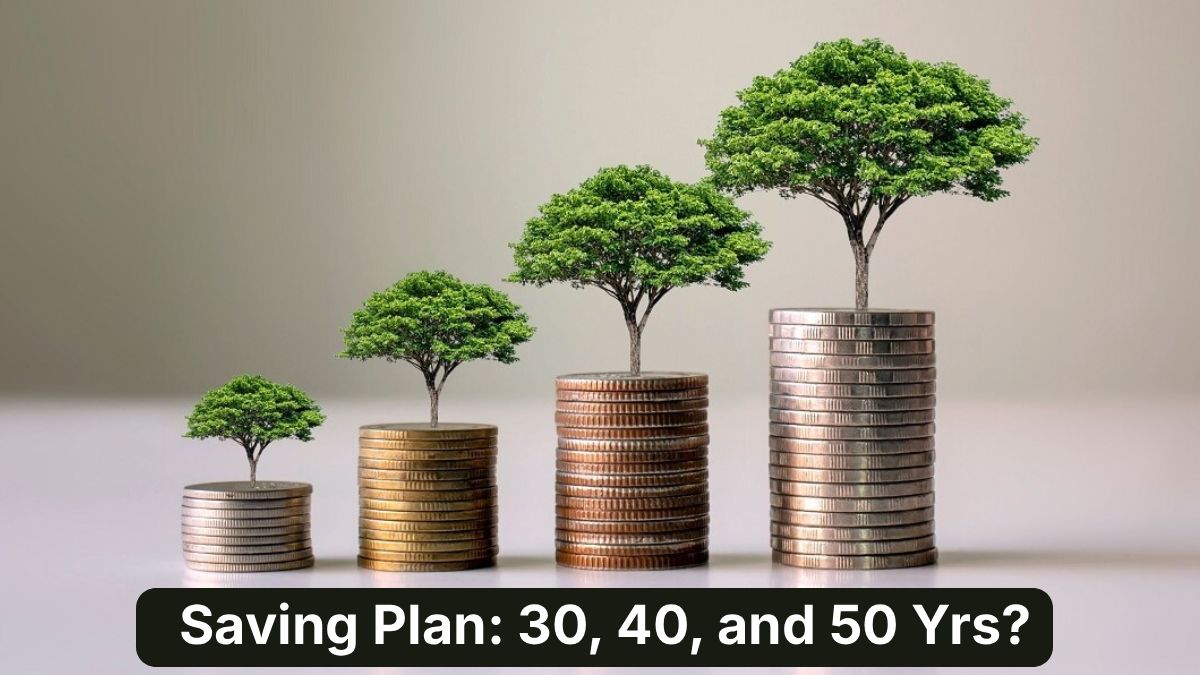
You don’t have to make that much money to save money. Even small, recurring monthly contributions can help you make sure you have a lot of money saved which are going to help you in a stable way.
Final Thoughts
Saving money is not the end of the world and not only does it make your finances better but it is something you can do at any time. Financial success is not only for the wealthy and in the very richest of business that is a benefit; it is often achieved by wise financial decisions.
If you are confused by the question why you can’t seem to save money, the problem is likely less about your spending habits than about the size of your paycheck. By reducing unnecessary expenditure, sticking to a budget, saving up for emergencies, and not spending money if we can, you will develop a sense of financial security that will ultimately benefit your future.
If you are starting with just one good financial habit today, do just one thing. Small, regular actions can make a lot of money out of things and be saved over years and help you succeed in your life - in the long run, make sure you do what you want, and you feel that you can, and you need to do as long as you can, so you can, for the right things that you have to do in life.








Comments
Please to leave a comment on this article.