
Financial health is no longer just one of our personal goals but it is the foundation for economic development in India. As India moves to become one of the world’s largest economies, it’s essential for people to have financial options, education and security.

A healthy population has more savings and investment opportunities, better entrepreneurship and a better quality of life. To ensure a future of financial health for all Indians, governments, financial institutions, businesses, educational institutions and people must work together.
The Indian financial system has changed very much in the last decade. A decade of financial inclusion has brought financial inclusion and opened up millions of citizens to open bank accounts and become involved in the formal financial system.
The quick adoption of Unified Payments Interface (UPI), mobile banking and Aadhaar-enabled services, and digital wallets has revolutionized our way of dealing with money, which has made banking easier, more accessible and cheaper for people in rural and semi-urban areas.

But access to financial services is not enough. Financial literacy is one of the most important things to do to maintain long-term financial health. Knowledge of budgeting, saving, investing, insurance, taxation and responsible borrowing lets people make sound financial decisions. Schools, colleges, workplaces and community organizations can be very important in promoting financial education so that people develop healthy money habits from a very young age and be able to save money in the way that we would like.
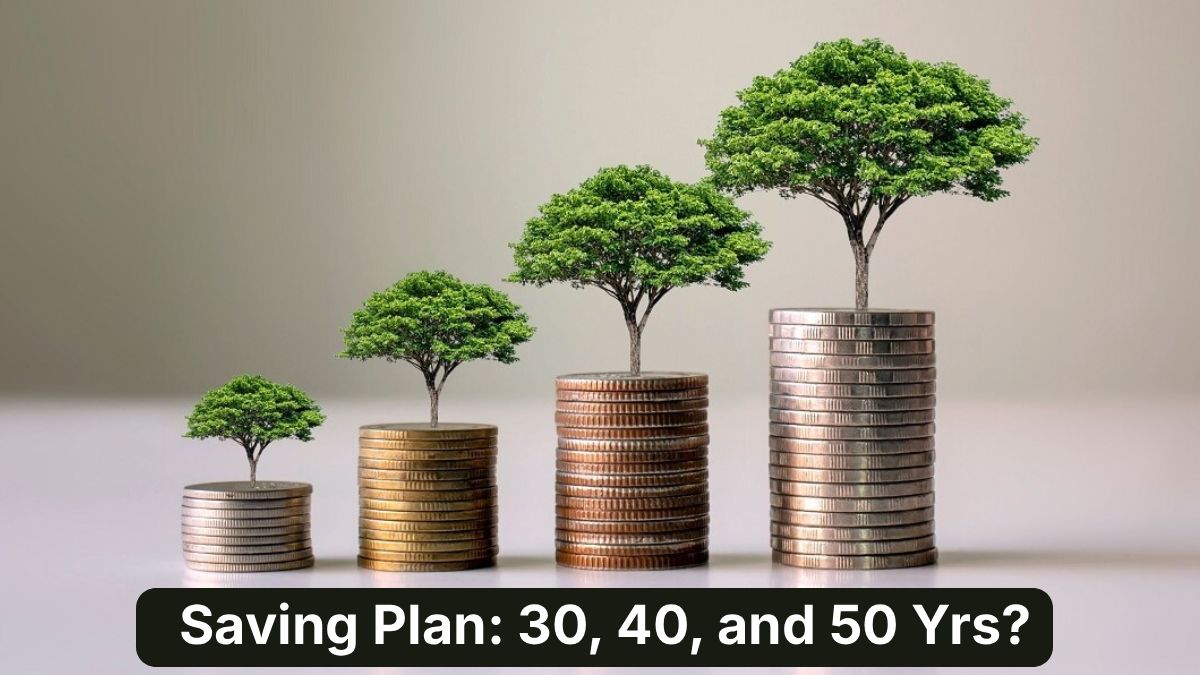
One of the best ways to remain in a disciplined saving is disciplined saving. Saving consistently is one of the keys to the heart of financial security and one of the basic principles of financial well-being is disciplined saving. Setting aside a part of income every month helps to build up that extra cash in an emergency fund for emergencies and to have a buffer of income for future goals.
Financial experts would usually recommend having an emergency fund that can cover a few months of basic living expenses. Any one of the best ways to keep an emergency fund is to provide a little extra cash to cover important living expenses and future goals.
Investing is a key part of financial health. People should not allow their money to sit idle and should decide on their options based on their financial goals, risk tolerance, and investment horizon. Bank deposits, mutual funds, equities, bonds, pension schemes, and government-backed savings instruments can be used in diversified investment strategies. Investing in long-term and responsible strategies—supported by informed decision-making and regular contributions—will develop wealth over time with the help of compounding.
Insurance is equally important for protecting financial stability. Health insurance, life insurance and any other suitable coverage can protect families from unexpected financial burdens arising from illness, accidents or loss of income. Good insurance planning ensures that unexpected events do not derail long-term financial goals.
For India’s growing middle class and young workforce, responsible borrowing is becoming increasingly relevant. Loans for education, housing, or business can bring new opportunities if done wisely. But too much debt and poor credit management can lead to financial stress.
Good debt management, a good credit score, timely repayment of loans, and borrowing within one’s repayment capacity are required for sound financial planning.
Entrepreneurship is also instrumental in financial prosperity. India is now one of the world’s top startup ecosystems and has been leading the way with government efforts and increased access to credit and digital infrastructure. The development of employment and economic growth is supported by small businesses, women entrepreneurs, self-help groups, and rural enterprises. Access to affordable finance and professional assistance can further expand these opportunities.
Technology will continue to influence the future of personal finance. Digital financial advisory platforms, secure online banking, blockchain technologies, and data-driven financial planning tools are making personal financial planning tailored and efficient.
At the same time, increasing digital adoption requires greater awareness of cybersecurity. Individuals should remain vigilant against online fraud, phishing attempts, identity theft, and financial scams by following safe digital banking practices.
Government policies aimed at promoting financial inclusion, digital payments, encouraging savings, and supporting social security programs have laid a strong foundation for inclusive economic development. Continued investment in financial infrastructure, consumer protection, regulatory oversight, and financial education will be critical to ensure those benefits reach all of society.
In India, financial health is not only about income but also how well we manage money, plan for the future, deal with financial shocks and work towards long-term goals. Whether it is the student starting college, a salaried employee building wealth, a farmer seeking financial security, or a retiree planning post-retirement life, every Indian can benefit from sound financial practices.
As India grows towards a developed country, financial empowerment will be one of the key pillars of national progress. By promoting financial literacy, responsible saving and investing, strengthening insurance coverage, embracing digital innovation, and ensuring inclusive access to financial services, the country can build a future where every citizen has the opportunity to achieve financial well-being.
A financially healthy India is not just an economic aspiration, but it is a vision of empowered individuals, resilient families, thriving businesses, and inclusive growth. Through informed financial decisions and collective commitment, every Indian can contribute to building a stronger, more secure, and prosperous future for generations to come.









Comments
Please to leave a comment on this article.