
Provident Fund (PF) is one of the most trusted retirement savings instruments in India. But withdrawals of PF before the service period is completed can be subject to taxes. The rules will stay very strict in 2026 and the employees need to be aware of tax implications in order to avoid surprises during withdrawal.
Tax-Free Withdrawals
After 5 years of service: If you have contributed to PF continuously for at least five years, the withdrawal is tax-free.
Retirement or Superannuation: Withdrawals at retirement age are exempt from tax.
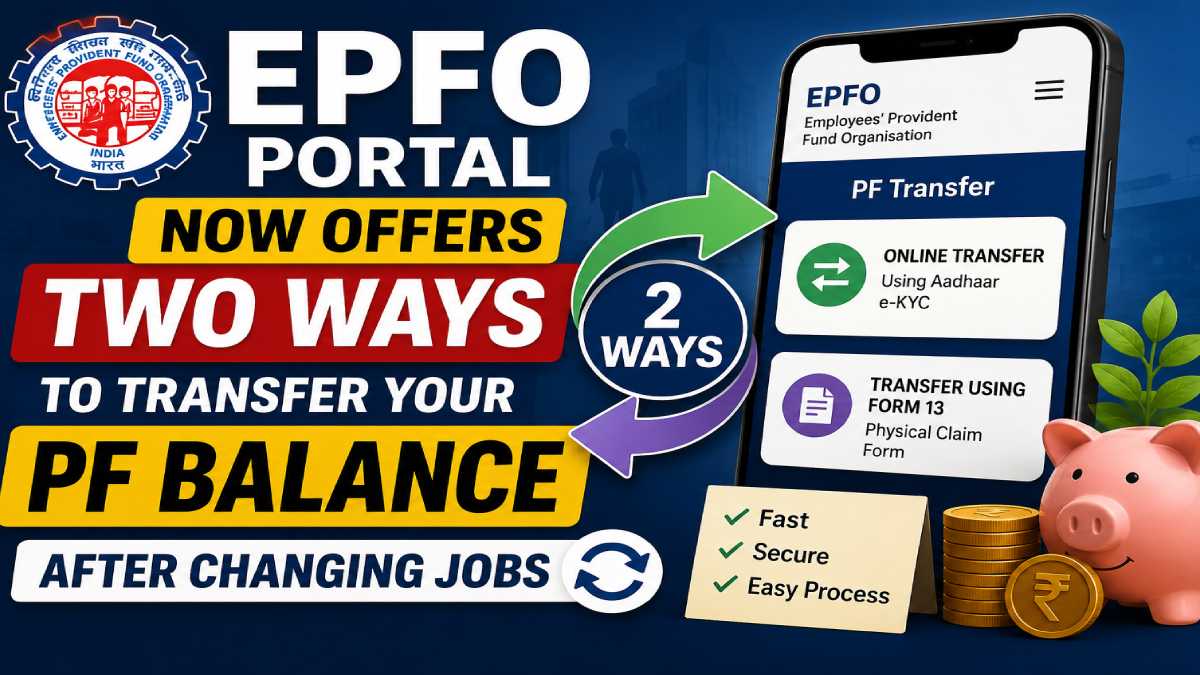
Transfer of PF balance to the new employer's account is not a withdrawal and is tax-free.
Taxable Withdrawals
Before 5 years: Withdrawals before completion of 5 years of service attract tax.
TDS deduction: If the amount of withdrawal is greater than ₹50,000, EPFO deducts 10% TDS (if PAN is provided). Without PAN, TDS is 30%.
Taxes: Employer’s contribution and interest are taxed as “salary income” while employee’s contribution is taxed if claimed under Section 80C earlier.
Tax Reporting & Compliance
Withdrawals must be reported in ITR forms under “Income from Other Sources” or “Salary Income,” depending on the component.
Interest earned on PF balance is automatically reflected in Form 26AS and AIS for tax filing.
Partial withdrawals for medical purposes, education, or housing are generally exempt, but must be declared.
Tips for Employees
So avoid PF withdrawal before five years of savings to save on taxes.
To be sure, PAN and Aadhaar will always be updated with EPFO to ensure TDS deduction is lower.
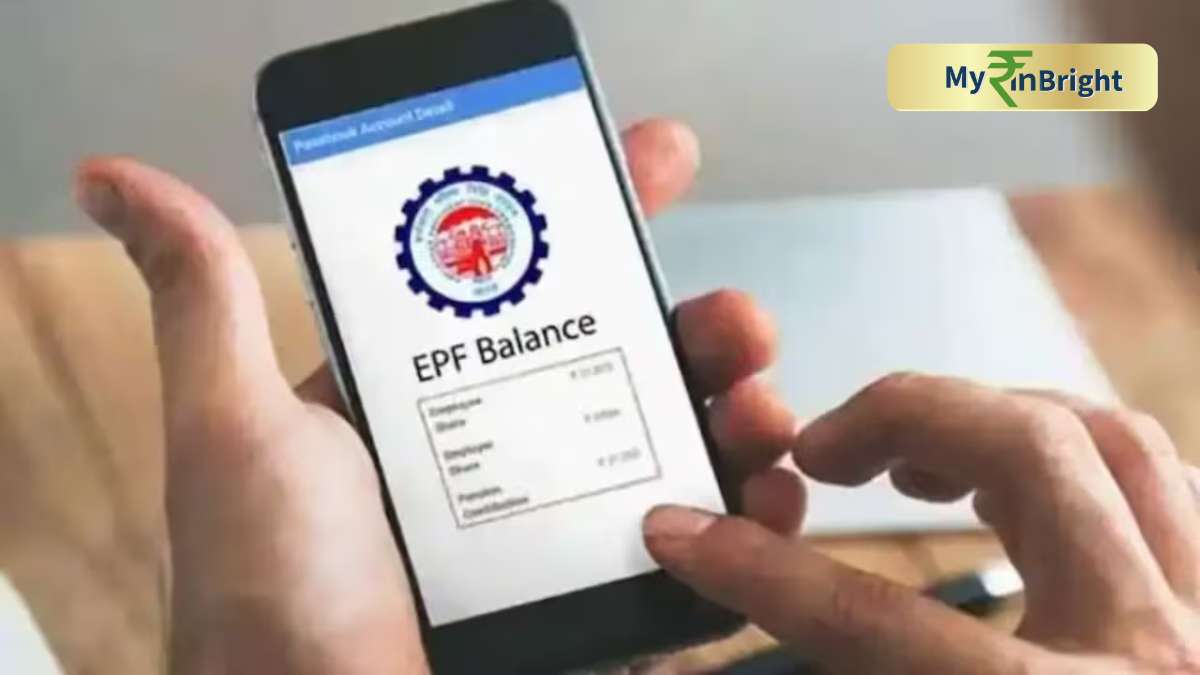
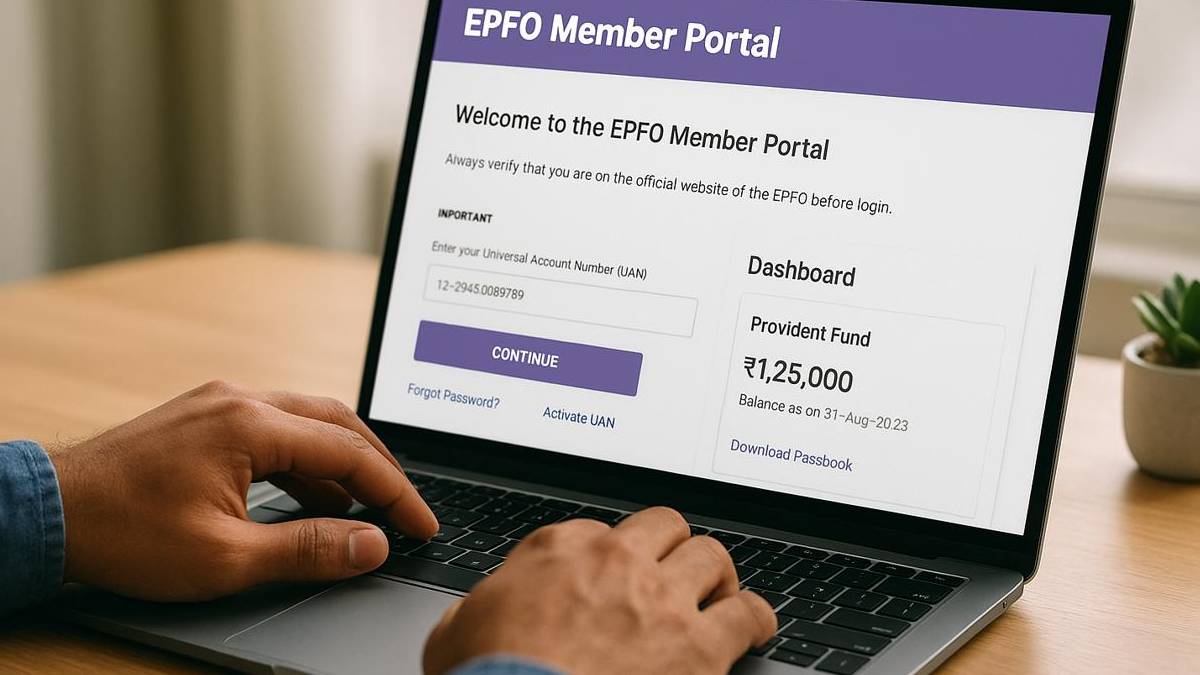
The EPFO portal or UMANG app can be used to track withdrawals and tax entries.
Consult a tax adviser for complex cases like multiple PF accounts or cross-border employment.
PF withdrawals should be tax-efficient in 2026 only after five years of continuous service or at retirement. Early withdrawals attract 10–30% TDS and employer contributions and interest are taxed fully. The employees should plan withdrawals carefully, keep PAN updated, and file taxes in a timely manner to avoid penalties.





Comments
Please to leave a comment on this article.