
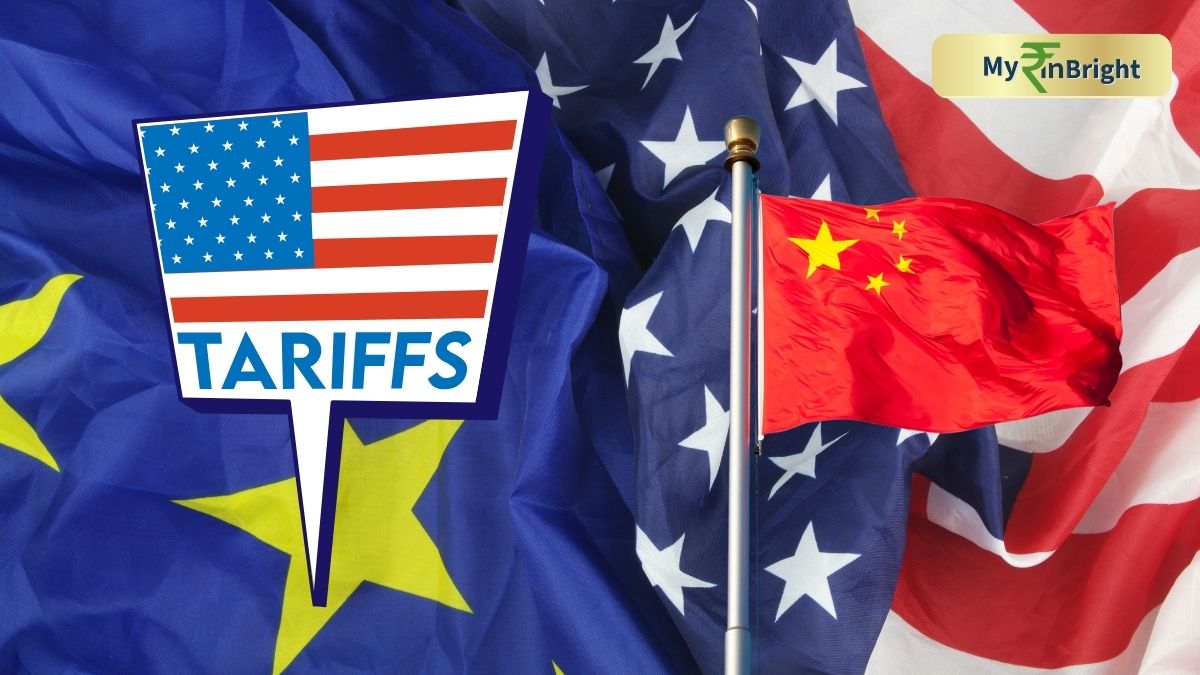
The United States government has taken urgent steps to counter this with tariffs on polysilicon and other products based on polysilicon to reduce the dependency of the country on Chinese imports and to support domestic manufacturing. The new tariffs, announced by the Trump administration, are designed to boost domestic production and protect U.S. producers of polysilicon, one of the major raw materials that is used for solar panels and semiconductor components. This is also a response to what U.S. officials say is unfair competition from China, which has been able to undercut American producers due to its dominant position on the global market.
Why Polysilicon Matters
Polysilicon is an important component in solar photovoltaic cells and semiconductor chips and is at the heart of clean energy and advanced technology. Pile-ups of polysilicon are on the rise as the world moves toward renewable energy sources. China dominates the global market for polysilicon and that would be worrying to U.S. officials. They say cheap Chinese polysilicon has created an enormous pressure on domestic manufacturers and this is where the recent tariffs come into play. In the U.S. we want to build the domestic supply chain that we can rely on and that will be able to support the country’s transformation to new energy sources and technology.
What’s contained in the new measures? In addition to the 15% tariff, the U.S. government will also put minimum price floors on polysilicon and on other downstream products such as wafers, solar cells and complete solar modules. Those pricing mechanisms are part of the larger strategic effort under Section 232 of the Trade Expansion Act.

The proposed tariffs will also support U.S. polysilicon manufacturers in the U.S. polysilicon industry by driving up the prices of imported products from abroad and the domestic production will be up by making them more expensive, thus creating pressure on U.S. polysilicon manufacturers in terms of the production of the products from Asia, but industry experts fear that in the long run, those tariffs will cause solar developers and semiconductor manufacturers to raise their domestic production, and companies that depend on imported polysilicon and other industries which have a high dependency on imported polysilicon and other materials to do so may see prices rise while also increasing costs if they are imported. In the short run, many companies will likely increase their imports before the tariffs are enacted to avoid tariffs and prices for imported materials in order to prevent a price hike in the short term. This preemptive strategy might trigger some countries to increase their imports, and in a short-term, with a temporary surge in demand for imported materials and materials in the short term to control the situation.
Global Trade Implications
The imposition of these tariffs is just the latest step in a long-running trade and technology rivalry between the United States and China. It is part of a wider effort by Washington to safeguard and develop domestic supply chains of important sectors such as semiconductors, renewable energy, and artificial intelligence. While that would result in a stronger manufacturing base in the U.S. in the long run, it could also exacerbate existing trade disputes and put the world supply chains on hold for solar energy and electronics. And for the long term, these tariffs will likely have a huge impact not just in the U.S. but globally as countries re-evaluate trade relationships and reliance on foreign goods.
The extended version gives more context, explains polysilicon more clearly, details about the new measures and a closer look at the effects of polysilicon in various sectors and global trade.





Comments
Please to leave a comment on this article.