
To what extent can Telegram founder Pavel Durov now be blamed for leading the country towards a terrorist attack? The FSB claims Telegram, the most popular messaging service, did not eradicate channels, chats, and bots that were used by Ukrainian intelligence and extremist groups to sow fear and chaos in Russia (including by propagating messages on fake news) and to commit cyber fraud.
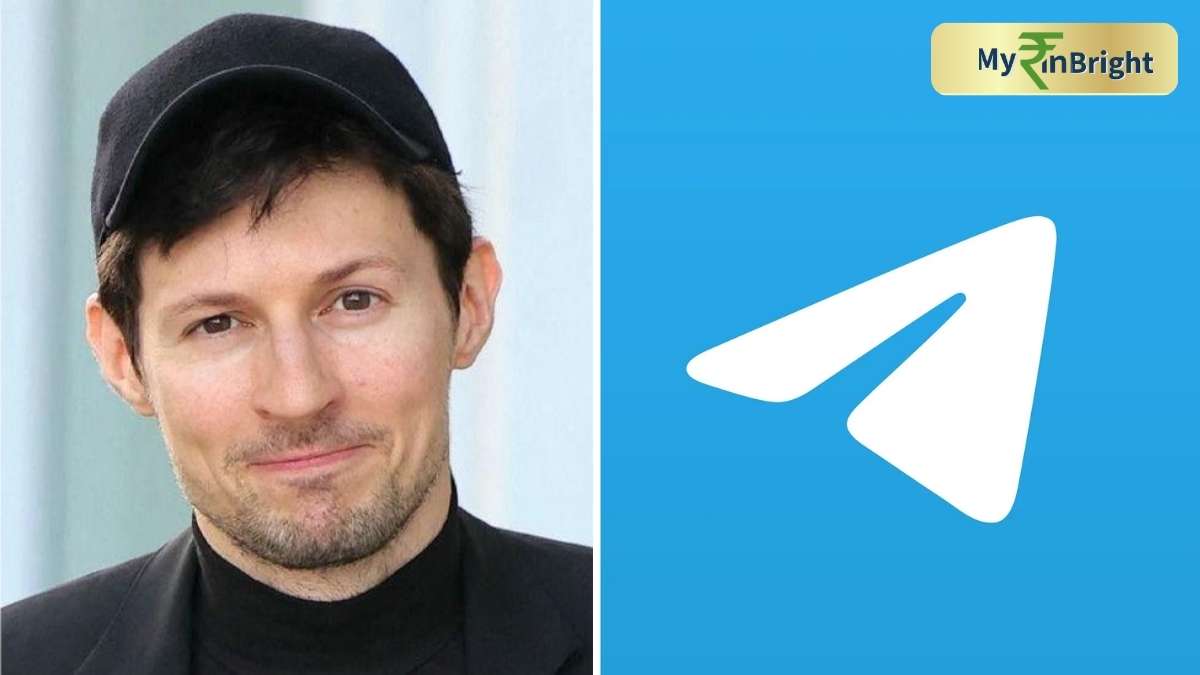
This latest development is a huge escalation in the ongoing struggle between the Russian government and Telegram, which has come to be the symbol of secure communication and privacy. Moscow officials have expressed frustration at Telegram not answering requests to stop publishing content they consider illegal or dangerous. With the Russia-Ukraine war at the heart of the debate, the Kremlin has more and more been asserting its control over digital platforms and tightening the reins. To counter Telegram, Russian officials have also introduced MAX, a state-backed messaging app that is a different channel to Telegram.
Pavel Durov, who left Russia over a decade ago, now holds dual citizenship in the United Arab Emirates and France. He is also vehemently denying that he has anything to do with any harm and Telegram has always operated as a platform that was for users to report bad things or to not share it, so it’s ridiculous that Telegram has no legal position on such charges. Durov is also passionate about the right of privacy and freedom of expression and Telegram is a defender of these things in a time when we know that we are getting closer to state surveillance and censorship and the things that are making people want to go to jail, but as of now there is no public response from Telegram.
Add to that the Russian legal case against Durov, which is also being watched by other countries. French authorities are investigating Telegram for failure to control criminal activity and cooperate with law enforcement authorities. Durov, of course, has denied it, and claims that he should not be held accountable as a platform operator for how users act.

The international arrest warrant for Durov is likely to increase the global attention on encrypted messaging applications and the legal and regulatory challenges of such applications. And Durov and Telegram are not alone in this case. This case calls into question what kind of platform liability is acceptable in digital communication services in the face of digital surveillance by governments in all parts of the world and the balance between privacy and public safety is not easy to come by but it is, I think for the time being and as legal processes are conducted and countries respond to Russia’s actions, this case could be a catalyst for a new debate on the role of tech companies in a globalized world where digital communication is more and more closely linked to each other.










Comments
Please to leave a comment on this article.