
Banks, Non-Banking Financial Companies (NBFCs), payment banks, and other financial institutions regulated by the Reserve Bank of India (RBI) have stronger consumer protection under the Reserve Bank – Integrated Ombudsman Scheme, 2026. If a regulated entity does not provide the right service and your complaint is upheld, the RBI Ombudsman can direct the institution to compensate you for both financial losses and the hardship caused.
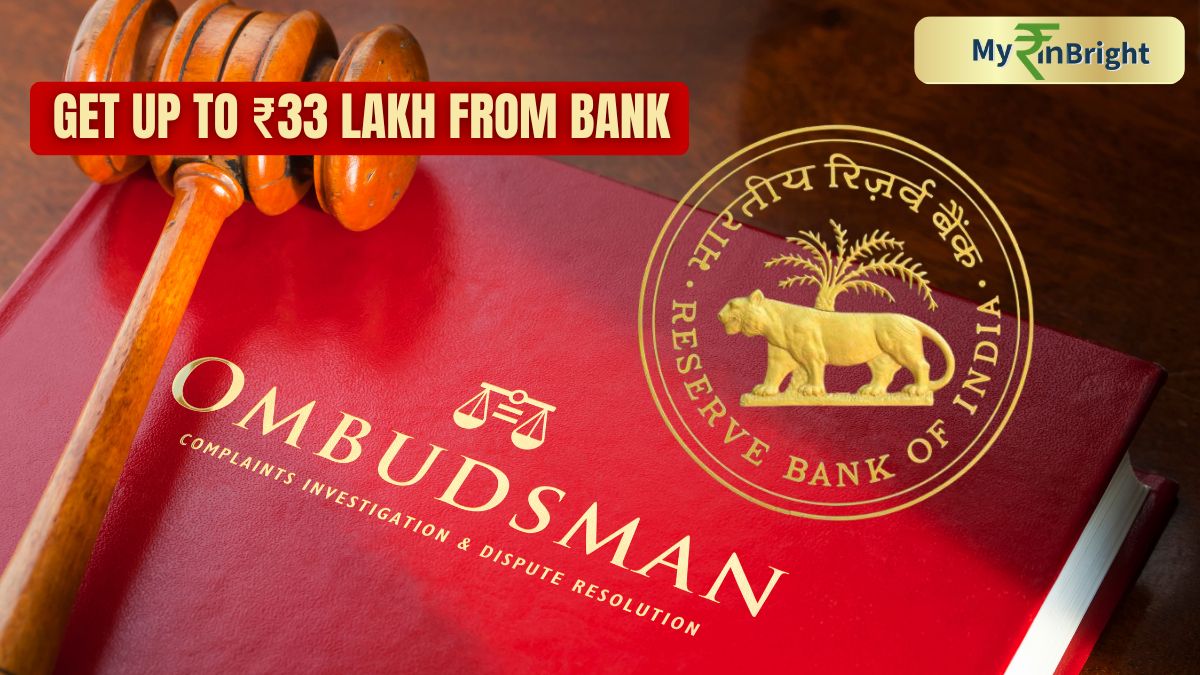
The Integrated Ombudsman Scheme was introduced to simplify the grievance redressal process by providing a single platform for customers to lodge complaints against RBI-regulated entities. It covers a wide range of banking and financial service issues, including unauthorized transactions, ATM and UPI disputes, loan-related complaints, delays in refunds, wrongful charges, digital payment failures, account-related issues, credit card disputes, and poor customer service.
A great feature of the scheme is that compensation can be given by the Ombudsman. If the complaint is credible, the Ombudsman can direct the bank, NBFC, or other regulated entity to pay up to ₹30 lakh as compensation for the actual financial loss suffered by the customer due to deficiency in service. The compensation is only for the financial loss that was directly caused by the institution's negligence or failure to comply with applicable rules.
As well as payment of the financial compensation, the Ombudsman can also award up to ₹3 lakh to compensate for mental agony, harassment, and litigation expenses where the compensation is justified. And the reason is that bad customer service is known to cause emotional stress, inconvenience, and costs in pursuing justice. In each case, the amount awarded is based on the factual basis of the case and the extent of suffering experienced by the complainants.
Before approaching the RBI Ombudsman, customers usually first submit their complaint to the regulated entity. If the institution does not respond within the prescribed time or the customer is not satisfied with the resolution received, the complaint may then be escalated through the Integrated Ombudsman Scheme. It is simple, free of charge, and online and has no legal advice.
The RBI Ombudsman reviews the complaint independently, examines supporting documents, and gives both parties the opportunity to make their case. If the complaint falls within the scheme and the regulated entity is found to have a deficiency in service, the Ombudsman can order compensation and give advice on how to resolve the matter. Complaints that are frivolous, unsupported by evidence, or outside the scheme can be rejected.
The Reserve Bank – Integrated Ombudsman Scheme, 2026 strengthens consumer rights by making financial institutions more accountable for service failures. Compensation of up to ₹30 lakh for actual financial loss and another ₹3 lakh for mental agony, harassment, and litigation costs is an important safeguard for consumers. Customers who have been unfairly treated or financially lost due to banking or digital payment service deficiencies should know about their rights and have recourse to the RBI’s grievance redressal mechanism whenever necessary.






Comments
Please to leave a comment on this article.