
India will soon see significant changes in its currency system, with polymer (plastic) ₹10 and ₹20 bank notes to be introduced as part of a pilot project to be launched next year. It comes after RBI's invitation to global suppliers to participate in the first phase of the project.
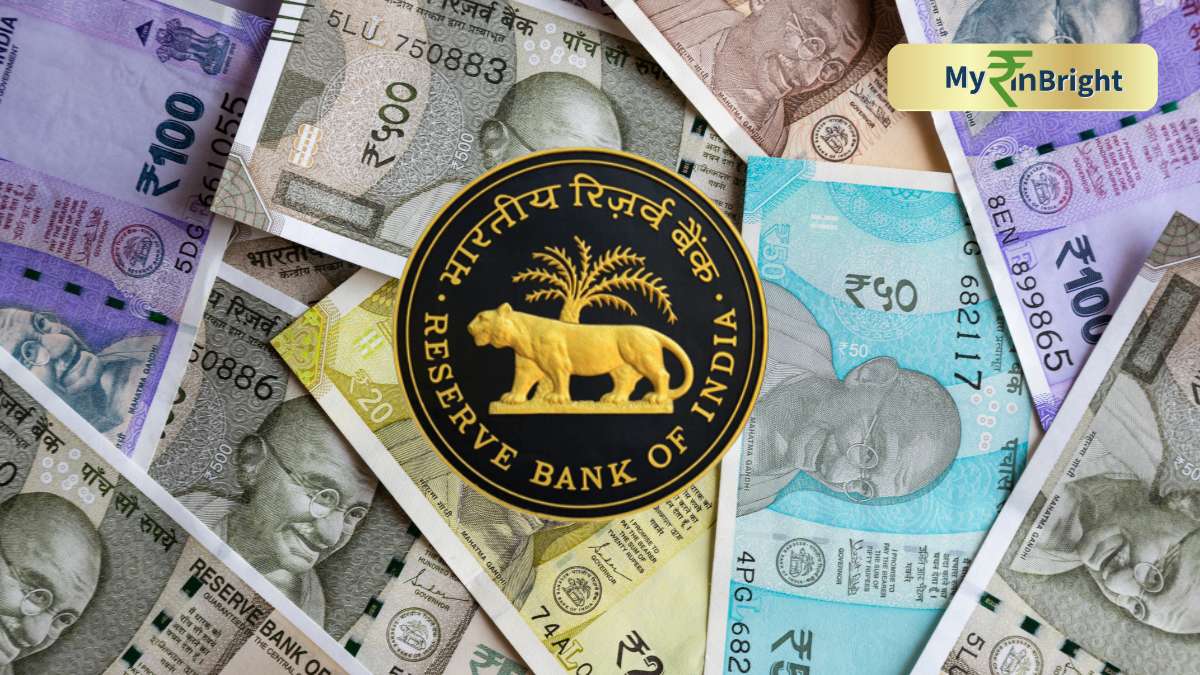
As per reports, RBI's currency printing arm Bharatiya Reserve Bank Note Mudran Private Ltd (BRBNMPL) has issued a global Expression of Interest (EoI) to the suppliers who can provide polymer substrate sheets embedded with advanced security features. This is a significant step toward polymer currency being rolled out (although the pilot launch date is not yet made).
Polymer banknotes are made of special plastic instead of cotton paper. These notes are commonly used in parts of the world like Australia, Canada, the UK, New Zealand and Singapore for their quality and security. Polymer notes last much longer than paper notes, are more resistant to dirt, moisture and tearing, with anti-counterfeiting features (transparent windows and embedded security features).
The RBI will first start the transition with low denominations like ₹10 and ₹20 as they are the most commonly used currency notes and have higher wear and tear. A successful pilot could lead to polymer versions of higher denominations in the future, but no official decision has been taken on expanding on that.
India has considered polymer banknotes before. Pilot trials were carried out over a decade ago but didn’t go anywhere. The new push reflects technology improvements and a focus on quality currency and replacement cost over the long term.
Importantly, the proposed pilot does not mean paper currency notes have been invalidated. The RBI has not announced any demonetisation or withdrawal of current notes. If polymer notes are introduced, they will be circulated in conjunction with the current paper currency in the first phase. Next steps will be communicated through RBI notifications.
If successful, polymer banknotes can be one of the biggest changes to India’s currency system in recent years that will improve note longevity, reduce printing costs over time, and strengthen protection against counterfeit currency.







Comments
Please to leave a comment on this article.