
The Securities and Exchange Board of India (SEBI) has issued one of the most explosive regulatory orders in recent years, accusing Rajesh Exports chairman Rajesh Mehta of orchestrating a scam which is more than triple as big as the infamous Harshad Mehta case of 1992. SEBI’s 109-page order on June 3 says the company has inflated revenues by a staggering ₹15.15 lakh crore over five years 375 times bigger than Harshad Mehta’s stock market manipulation three decades ago.
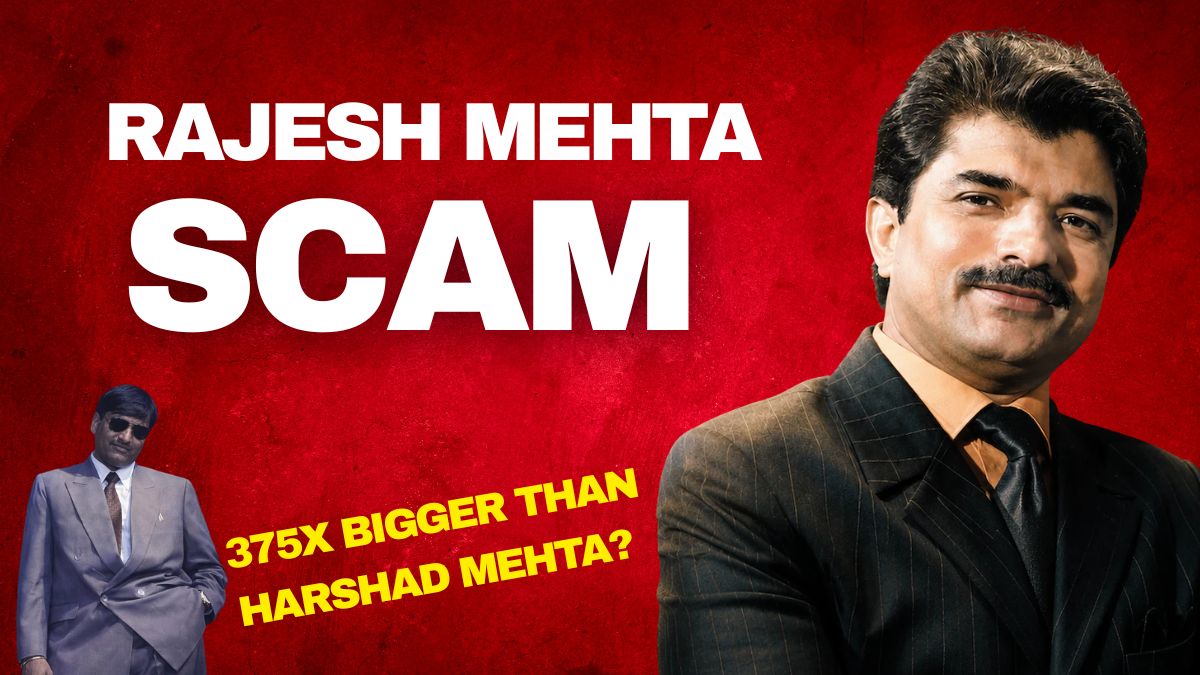
The scale of the alleged fraud is breathtaking. SEBI says 99.8% of all subsidiary revenue was misrepresented, which amounts to nearly 4% of India’s entire GDP. Investigators also allege that ₹11,000 crore of Rajesh Mehta’s personal trades were disguised as company sales, while ₹338 crore of corporate funds were routed directly into his personal accounts.
The fallout for shareholders has been devastating. Rajesh Exports stock fell out of the stock market all over its circuits with no buyers and its investors lost ₹12,725 crore in wealth. LIC, which has a 10.8% stake in the company, was the first to be most affected. LIC’s value plunged from ₹637 crore to ₹347 crore, warning investors of the disaster that public funds were being thrown into corporate mismanagement.
Market officials have compared it with the Harshad Mehta scam of 1992 and say that although the former case rocked India’s financial system, the Rajesh Exports case has resulted in losses on a scale previously unimaginable. Analysts fear the case will cause a greater reckoning for corporate governance in India, especially among companies with large global operations.
Rajesh Exports has denied all allegations and has dismissed SEBI’s findings as “revenue calculation confusion.” The company insists its accounting practices comply with international standards and has pledged to cooperate with the ongoing forensic audit. But the regulator’s interim order has cast a long shadow over the firm’s credibility, shaking investor confidence and stoking calls for tougher oversight.
If the case of Rajesh Mehta is proven, it is one of the biggest corporate scams in India’s history; bigger than even Harshad Mehta’s market manipulation. The massive loss of trillions in value and the embarrassing public institutions like LIC in the crossfire is such that the scandal proves that India’s financial markets need more transparency, more accountability and more regulatory vigilance.



Comments
Please to leave a comment on this article.