
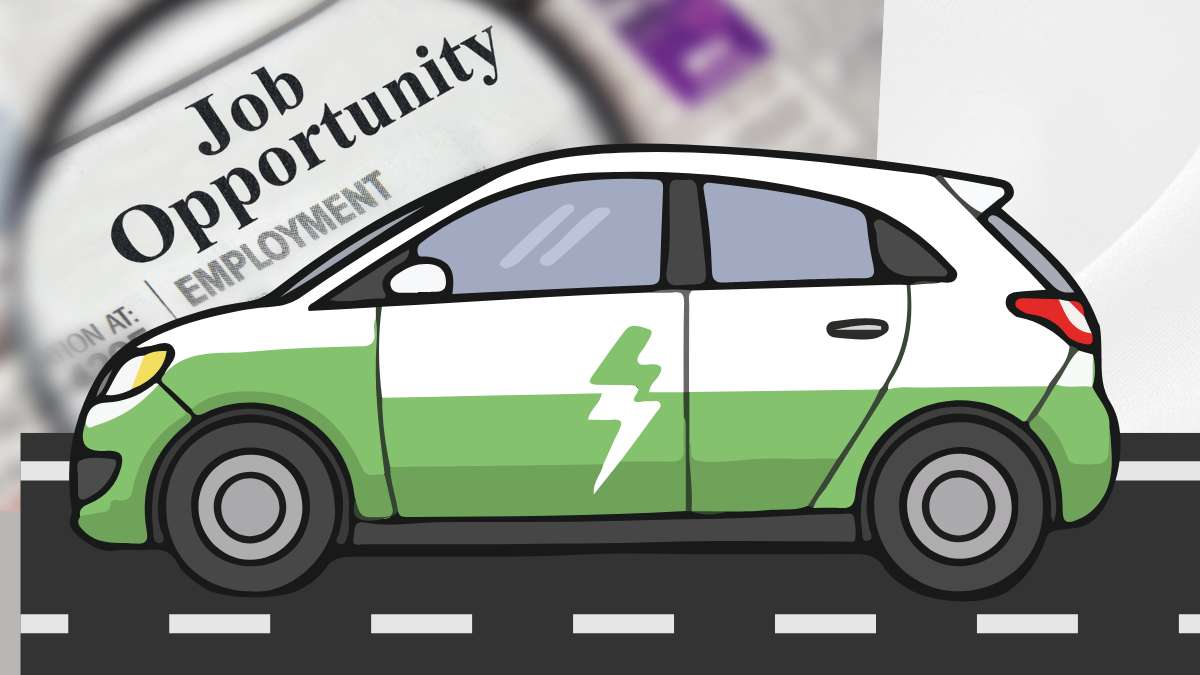
India’s electric vehicle (EV) sector is expected to become one of the largest employment generators in the country with up to 40 million jobs by 2030, according to recent industry estimates. Rapid growth of electric mobility, battery production, charging infrastructure and associated services will fuel employment in all sectors.
With India moving towards cleaner transportation, the EV ecosystem is getting strong support from government programs and private investment as well as increasing consumer demand. This growth is not only affecting the automotive industry but also creating new employment opportunities for skilled and semi-skilled people in the country.
The projected job creation will exist in various areas of the EV value chain, including vehicle production, battery production, charging infrastructure, research and development, software engineering, component manufacturing, sales, after-sales service, logistics and battery recycling.
Industry experts believe that battery manufacturing and charging infrastructure alone will require a large workforce as India expands its domestic production capacity and develops a nationwide EV charging network. Rapid growth in the adoption of electric two-wheelers, passenger vehicles, commercial fleets and public transport will further increase employment generation.

Government policies such as PM E-Drive Scheme, production-linked incentive (PLI) programmes for advanced chemistry cell (ACC) battery manufacturing, and the overall Make in India initiative are encouraging investments in the EV sector. These actions are aimed at increasing domestic manufacturing, reducing reliance on imports, and creating a world leading electric mobility ecosystem.
Apart from manufacturing jobs, the EV revolution is also creating an opportunity for professionals in emerging fields (e.g. battery technology, artificial intelligence, embedded software, data analytics, renewable energy integration, and smart mobility solutions). Educational institutions and skill development organisations are developing specialised training programs for these new employment opportunities.
The transition to electric mobility will also be beneficial to small and medium enterprises (SMEs), startup companies and other industries that supply components, electronics, charging equipment and digital services. As the ecosystem grows, entrepreneurship opportunities will be there in both urban and rural India.
Despite the optimistic outlook, industry leaders emphasize the need for workforce reskilling and upskilling. Workers from the traditional automotive industry will need training in EV technologies, battery systems, electronics, and digital diagnostics so that they can compete in the changing employment landscape.
With supportive policies in place and rising investment and increasing consumer acceptance, India’s electric vehicle industry stands to become an important engine for economic growth and job creation. The sector could become a key player in generating millions of jobs and contributing to the country’s clean energy and sustainable mobility goals by the end of the decade if current growth momentum continues.





Comments
Please to leave a comment on this article.