
Filing your income tax return (ITR) on time is a must for every taxpayer in India. For Assessment Year 2026‑27, the date of the deadline is July 31, 2026. Inaccurate filing can result in financial penalties, interest and even loss of tax benefits, so timely filing is critical.
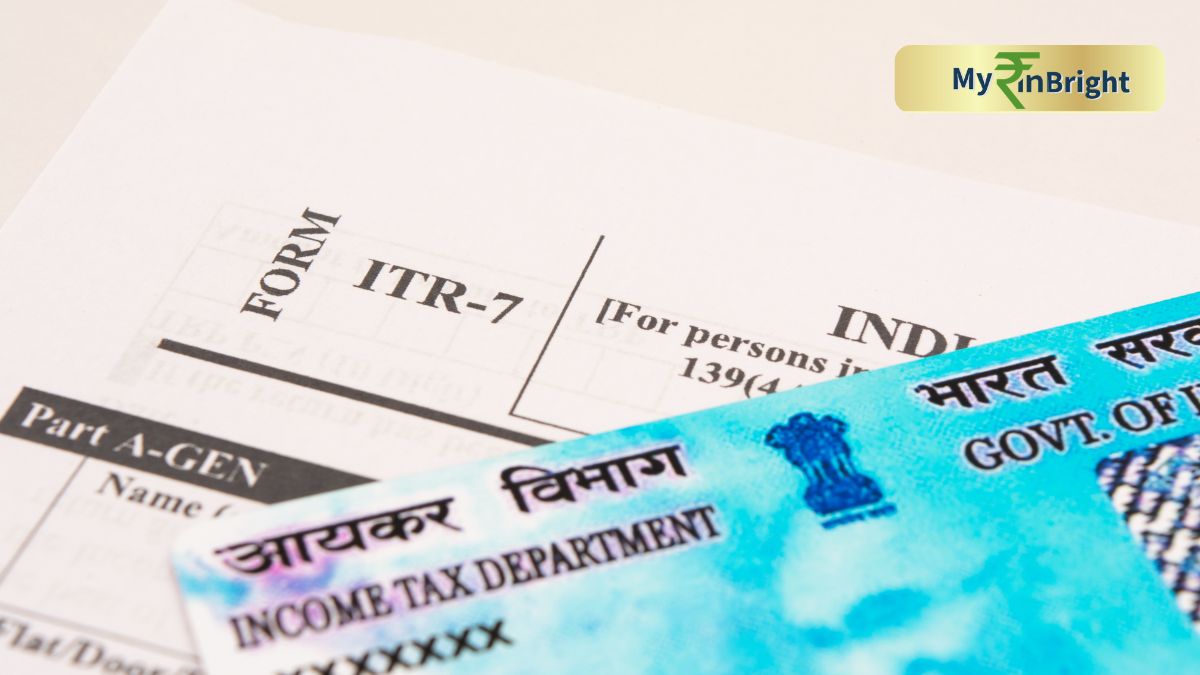
If you don’t file your ITR by the deadline you could be liable to be penalised under Section 234F of the Income Tax Act. Taxpayers with an annual income above ₹5 lakh will pay a late fee of ₹5,000 and those below ₹5 lakh will pay a lesser penalty of ₹1,000. This penalty will be added to any outstanding tax liability and will increase the financial burden on defaulters.
Apart from penalties, missing the deadline also generates interest under Section 234A. The law requires an interest charge of 1% per month (or part of it) on the unpaid tax bill until the return is filed. Even a short delay can significantly increase the payable amount so late filing is an expensive mistake.
One major downside of missing the deadline is the loss of tax benefits. Taxpayers cannot carry forward business losses or capital losses if the return is filed late. Refunds from excess tax payments are also delayed, affecting cash flow. Additionally, taxpayers can only file a revised return if they miss the original deadline.
The Income Tax Department can also get involved with late filing of a tax return. Compliance problems can also occur when the information is not disclosed clearly and legally in the tax return.
If you miss the June 31 deadline, the law states, you can file a belated return before December 31, 2026. But this means penalties, interest costs, and prohibitions on carrying forward losses, so it’s not a replacement for timely filing.
With that in mind, missing the ITR filing deadline can result in penalties, interest, and lost tax benefits. Although belated filing is possible, it is always a good idea to file returns on time to have smooth processing, quicker refunds, and peace of mind. Timely filing avoids all of the stress of money and has positive effects on credibility with the tax authorities.






Comments
Please to leave a comment on this article.