
It is now the time of year for filing income tax return in the AY 2026‑27, and many people want to do so early. But tax experts say filing before June 15 may not be the best thing to do for a salaried individual.
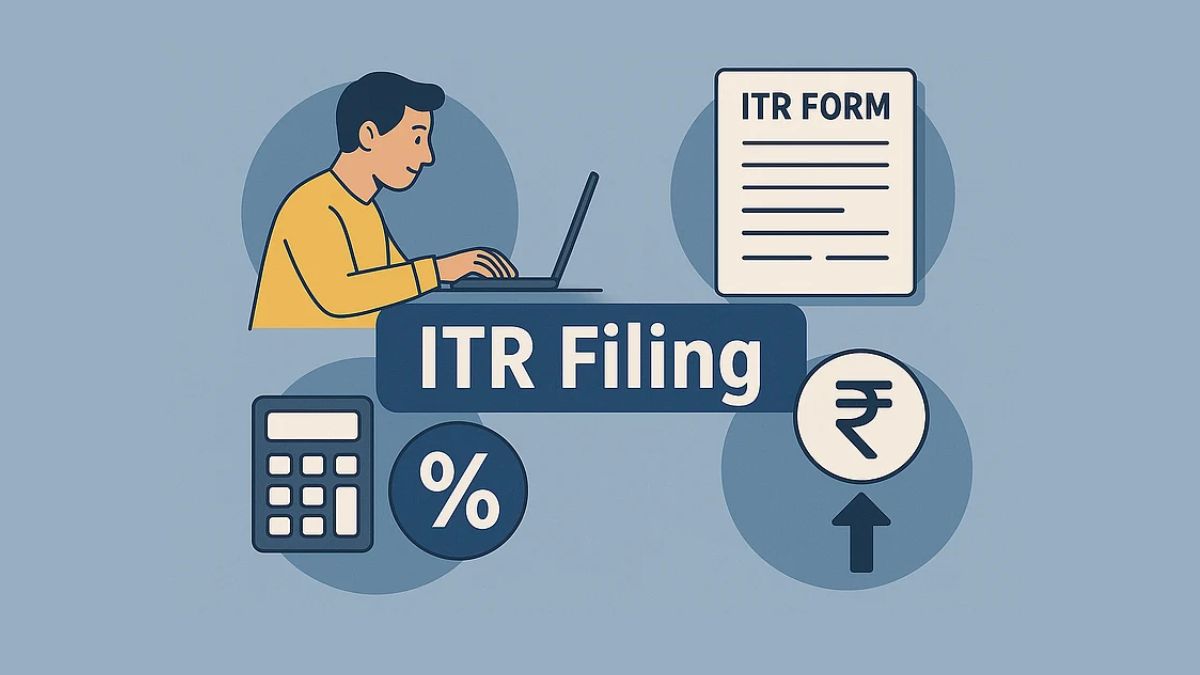
Why Waiting Matters
The Annual Information Statement (AIS) and Statement of Financial Transactions (SFT) are key data sources used by the Income Tax Department to cross‑verify taxpayer disclosures. The records, updated by employers, banks, and financial institutions, usually take until mid‑June to be fully reconciled. Filing before this update could cause mismatches, triggering notices or delaying refunds.
Risks of Early Filing
Incomplete AIS: Income from interest, dividends, and securities may not be fully reflected.
Unupdated SFT: High-value transactions, like property buying or mutual fund investments may be missing.

TDS mismatches: Employers and banks may not have uploaded final TDS data, leading to discrepancies.
Such errors can result in compliance issues, unneeded scrutiny and/or delays in refund processing.
Benefits of Waiting until Mid-June. Accuracy: ensures all income and tax credits are correctly captured.
Smooth refunds: Eliminates the chance of delays due to mismatches.
Compliance Confidence: Strengthens credibility with tax authorities.
Reduced Hassle: Doesn’t need to respond to notices, or file revised returns.
Early Filing Exceptions
There are cases where filing early may still make sense:
The salaried taxpayer is an ordinary individual with a low income and no high-value transactions.
Individuals who are not expecting refunds in which mismatches have little impact.
Taxpayers who need to show ITR proof for loan or visa applications.
Even though filing ITR early can be efficient, it’s safest to wait until after June 15. With Form 26AS, AIS, and SFT combined, taxpayers can avoid mismatches, be compliant and get refunds so much faster. And unless your financial profile is simple, you can save a lot of time in the coming tax season.







Comments
Please to leave a comment on this article.