
In 2026, most taxpayers in India receive their income tax refund within 15–45 days after e‑verification of their return, and the amount is credited to their bank account usually 3–7 days after intimation under Section 143(1). However, delays of 2–4 months can occur if there are discrepancies in data, pending e‑verification, or unvalidated bank accounts.
Typical Refund Timeline
E‑Verification: Immediate if done online via Aadhaar OTP or EVC.
Processing at CPC (Central Processing Centre): Usually 15-45 days.
Intimation according to Section 143(1): Sent by email when return is processed.

Credit to Bank Account: 3-7 days after intimation.
Overall Duration: Clean, error‑free returns are refunded in 3–6 weeks.
Factors that Can Delay Refunds
Data mismatches: Differences between ITR, AIS (Annual Information Statement) and Form 26AS trigger extra scrutiny.
Pending e-verification: Refunds are not processed until returns are verified.
Bank account issues: Refund cannot be provided if a bank account is not pre‑validated, inactive or lacks the right details.
Complex returns: Cases with capital gains or multiple income sources undergo deeper checks.
Last‑minute filings: Returns close to deadlines increase processing load.
Interest on delayed refunds (Section 244A).
Rate: 0.5% per month or part of a month.
Start date: From April 1 of the assessment year (if filed on time) or from the filing date (if late).
Condition: Refund must be at least 10% of tax determined.
As an example, if tax liability is ₹50,000 but ₹60,000 was paid through TDS, a refund of ₹10,000 qualifies for interest.
Tips to Ensure Faster Refund
Complete e‑verification promptly after filing
Cross‑check AIS, TIS, and Form 26AS before submission.
Pre‑validate bank account linked with PAN on the e‑filing portal.
Respond quickly to any tax notices or discrepancies flagged.
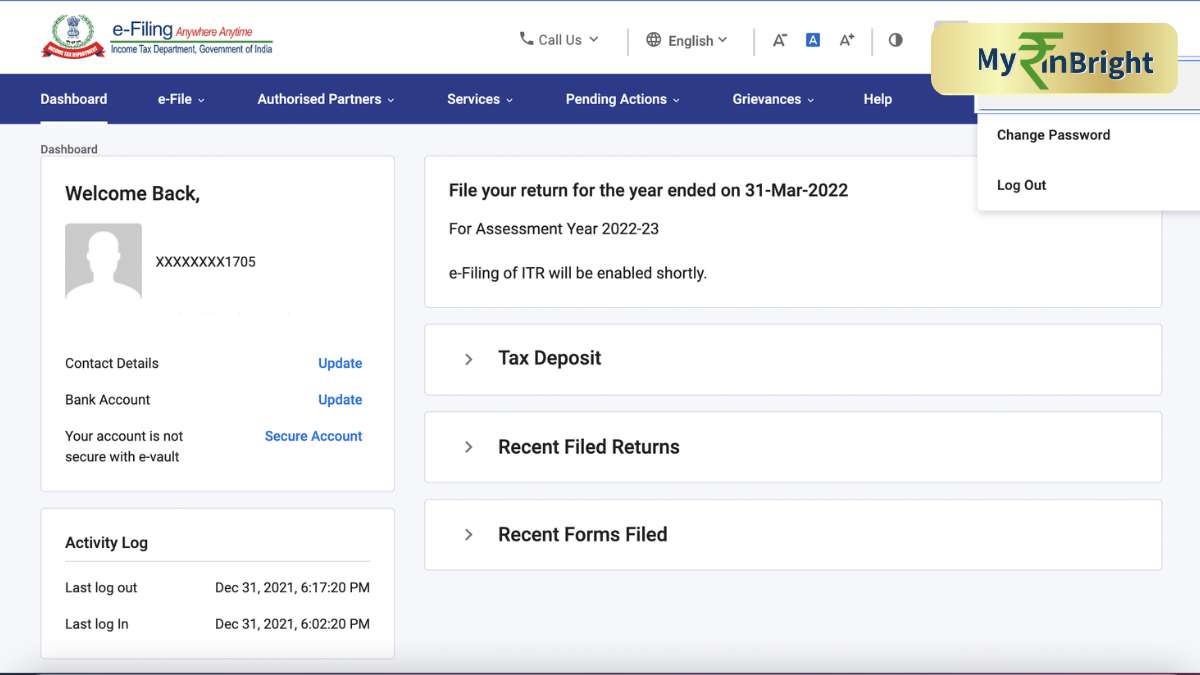
Track refund status regularly via NSDL portal or the Income Tax e‑filing portal.
Income tax refunds in 2026 are generally credited within 3–6 weeks for error‑free returns, but can stretch to 2–4 months if discrepancies or validation issues arise. Timely e‑verification and accurate data alignment are the keys to faster refunds.








Comments
Please to leave a comment on this article.