
The central board of direct taxes (CBDT) has also proposed new rules on PAN quoting under the new tax regime. The changes are to enhance monitoring of high-value transactions and enhance India’s financial system transparency.
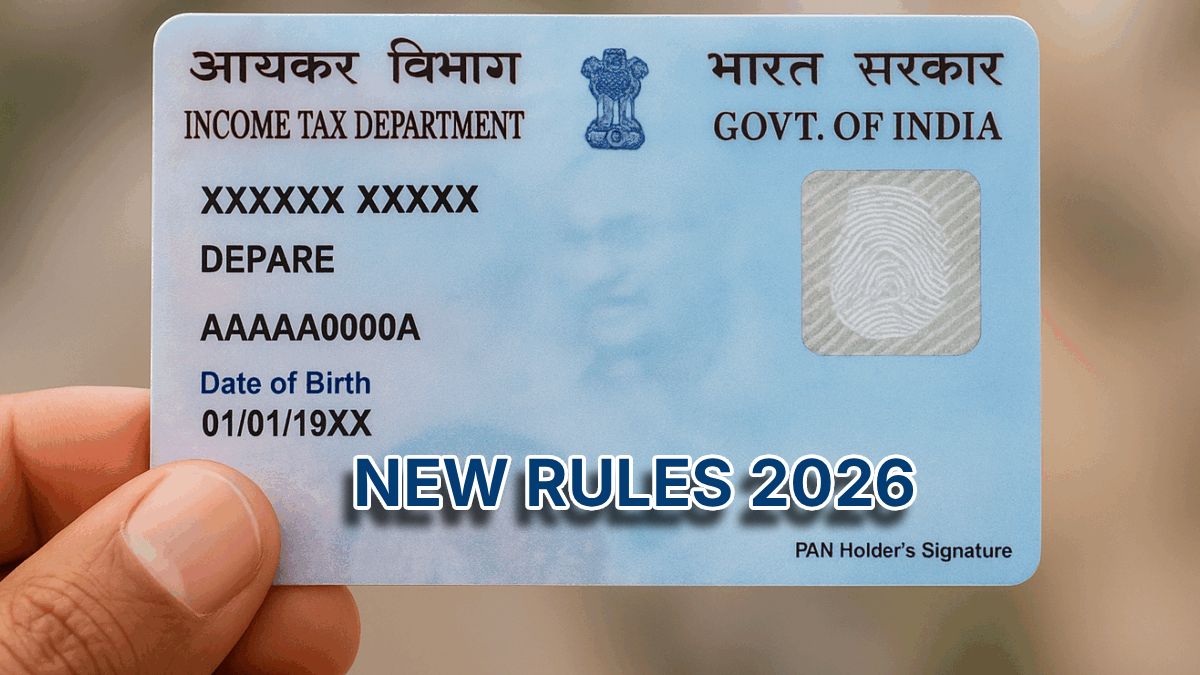
Key changes in PAN rules. The new framework introduces higher thresholds for some transactions as well as reporting requirements for others. Taxpayers and institutions need to be on top of the above in the following areas:
High-value transactions: PAN quoting is mandatory for property purchases, mutual fund investments and large cash deposits and there are stricter reporting requirements.
Changes to the thresholds: Some of the categories now have higher transaction limits before PAN details are required, and thus lower compliance burden for smaller transactions.

Greater reporting: Banks, NBFCs and financial institutions must have detailed records of transactions above the specified limits.
Compliance Focus
That said, these new rules will limit tax evasion and help in tracking financial activity. By mandating PAN disclosure for high-value transactions the government aims to:
Improve transparency in financial transactions.
Detect undisclosed income and assets more effectively.
Add more support to the audit process for tax authorities in advance.
Reduce misuse of cash transactions in the economy.
Impact on Taxpayers
And, for individuals, the changes mean even more responsibility in keeping accurate records of investments and large purchases. Salaried taxpayers may be spared so much disruption, though both business owners and high-net-worth people have to be on top of things. Financial institutions will need to update their reporting systems to match new standards.
Policy Context
These changes in the PAN rules are part of India’s larger drive towards digital tax administration and financial transparency. With the use of tools like Form 26AS, AIS and SFT already providing detailed transaction data, this new framework can better capture high-value activities.
New PAN quoting requirements make India’s tax compliance system more professional and efficient. The CBDT is balancing ease of compliance with strong monitoring by raising the threshold for small transactions and tightening the control on high-value trading. Taxpayers and institutions have to react quickly to avoid penalties and ensure smooth financial operations in the new regime.










Comments
Please to leave a comment on this article.