
The explosive growth of online trading has provided investors with huge opportunities but fraudsters have taken advantage of it. And fake trading platforms offer huge profits, zero risk and fantastic returns to unsuspecting investors and therefore can be very dangerous for them.
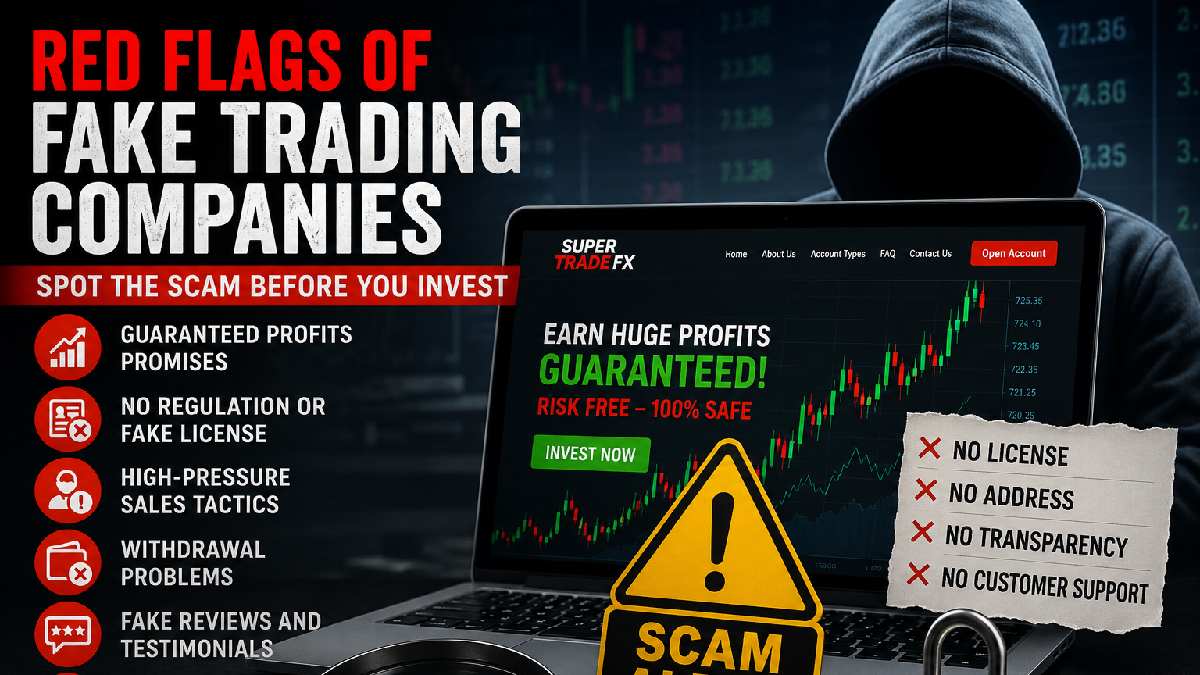
You will know when to look out for these scams and how to make your decisions wisely.
The most obvious warning sign is the promise of guaranteed profits. Real financial markets are not fixed, and no trading firm can guarantee fixed returns. If a platform says you can double your money in days and promises risk-free investments, it is probably a scam.
There are also some red flags that you are not getting proper regulation. Real brokers and trading firms are licensed by financial authorities in their countries. When you open your account check if there is a good license from the regulatory agency and if there are fake registration details in place.
Fake trading firms also often rely on very high-pressure sales tactics. They’ll call, email or message potential investors repeatedly to deposit funds quickly to avoid “missing a once-in-a-lifetime opportunity.” Good financial institutions give investors the time to research and make informed decisions.
If a company has unclear withdrawal policies, be careful. Scam providers provide a platform for users to deposit money easily, but are all too prone to delays when investors want to withdraw their cash.
As the fraudsters are trying to extract money from the system they will always be surprised by the unexpected fees (credits, taxes, etc.) and account verification delays.
A poorly designed or suspicious website is a warning sign. Look for missing contact information, broken links, grammatical errors and vague company details. Companies that are not legitimate will create professional-looking websites but have little information about their management team or business operations.
Another major indicator is fake reviews and testimonials. Scammers often make up success stories, edit screenshots of profits and even endorse them on social media through paid endorsements.
Always check independent review platforms and verify customer feedback from multiple trusted sources before investing.
Investors should also be wary of companies demanding payments through cryptocurrency or personal bank accounts. While cryptocurrency itself is legitimate, scammers often prefer it because transactions are difficult to reverse. Trusted brokers typically support secure and regulated payment methods.
Transparency in financial services is the key. Real trading companies disclose their fees, risks, trading conditions and customer support policies in an open manner. But if some information is kept from people or the customer service is not able to answer direct questions, it is advisable to stay away.
Before investing, investigate the company's history, verify its registration, read genuine customer reviews, and test customer support. Never invest based solely on social media advertisements or promises of good returns.
The best defense against fake trading companies is awareness. Investors can avoid costly scams and get on with building good long-term wealth through legitimate investment opportunities by looking for warning signs and doing research on them.





Comments
Please to leave a comment on this article.