
Investors and traders planning their market activities in August 2026 should take note of the NSE and Bombay Stock Exchange (BSE) trading calendar. While there are 10 days off in the month, all of them come on weekends, so there are no more weekday trading holidays in August.
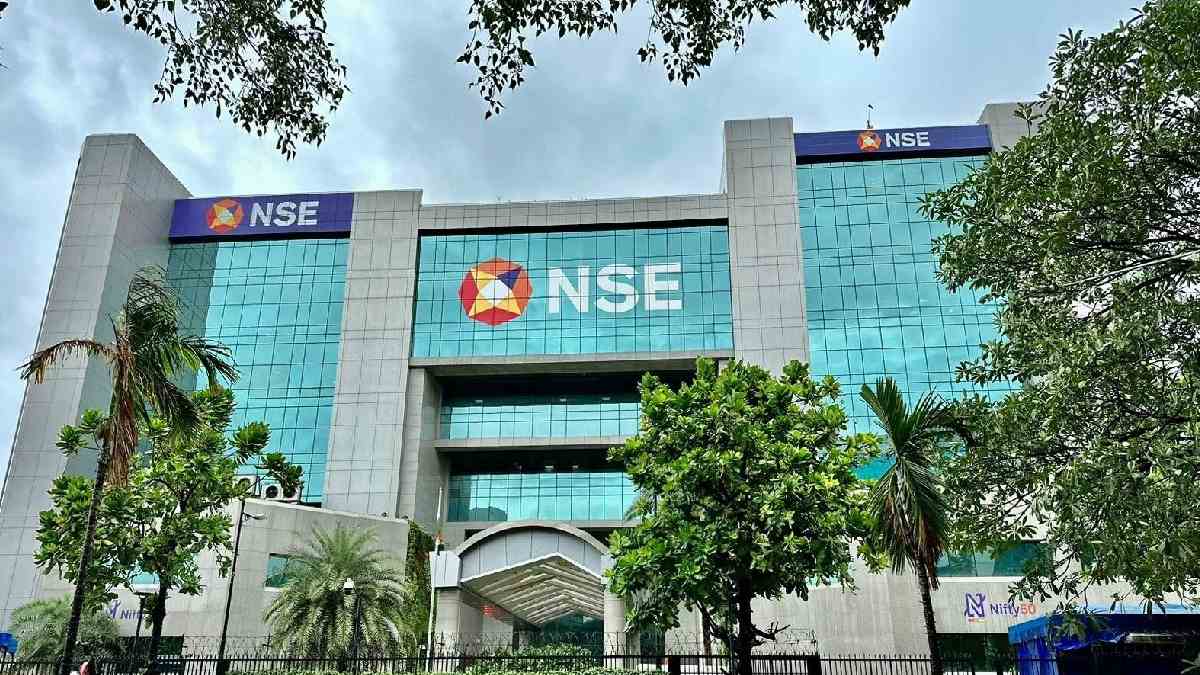
This provides market participants with uninterrupted weekday trading throughout the month, even on such major national occasions as Independence Day.
Markets closed for 10 days in August
According to the official exchange calendar, both NSE and BSE will be closed on the following dates:
Saturdays:
- August 1,
- August 8,
- August 15,
- August 22,
- August 29.
Sundays:
- August 2,
- August 9,
- August 16,
- August 23,
- August 30.
Since Independence Day (August 15) falls on a Saturday this year, there is no separate weekday market holiday.
The trading of all major segments - equities, equity derivatives, currency derivatives, securities lending and borrowing (SLB), and electronic gold receipts (EGR) - will be suspended on such non-trading days.
No Weekday Holiday in August
Unlike other months in the year, August has uninterrupted trading weekdays. Investors will have access to the markets on every Monday through Friday during the month.
Due to earnings season, economic data releases, and global market developments going on, traders should also expect full trading weeks to continue without interruption.
Which stock market holidays will be in the stock market calendar 2026?
Although August has no weekday exchange holidays, there are still several important holidays for the rest of the year.
According to the NSE holiday calendar, trading will remain closed on:
- September 14 (Thursday): Ganesh Chaturthi.
- October 2 (Friday): Mahatma Gandhi Jayanti.
- October 20 (Tuesday): Dussehra.
- November 10 (Tuesday): Diwali Balipratipada.
- November 24 (Tuesday): Prakash Gurpurb Sri Guru Nanak Dev.
- December 25 (Friday): Christmas.
Such holidays apply to equity, derivatives, currency, and commodity-related exchange segments.
Muhurat Trading on Diwali
One exception to the regular holiday schedule is Muhurat Trading, which will be held on Sunday, November 8, 2026, despite being a weekend.
Muhurat Trading is a symbolic one-hour trading session every year on the occasion of Diwali Laxmi Pujan. Investors traditionally consider this session auspicious for making fresh investments and beginning a new financial year in the Hindu calendar.
The exchanges will announce the exact timing closer to the festival.
Market Performance Before August
The stock markets of India ended July in a positive direction.
The Nifty 50 finished at 24,317.15 and rose 66.95 points (0.28%), while the BSE Sensex closed at 77,928.15 and gained 273.55 points (0.35%).
Reliance Industries and HDFC Bank supported the market during the session.
Global markets were mixed as investors watched the U.S. Federal Reserve's decision to keep interest rates unchanged and monitored renewed geopolitical tensions in the Middle East, which pushed oil prices higher.
Regular NSE & BSE trading timings
The daily trading schedule should also be known to the investor.
Pre-Open Session
Order Entry: 9:00 AM
Order Matching: 9:08 AM onwards.
Regular Trading
- Market Opens: 9:15 AM.
- Market Closes: 3:30 PM.
- Closing Session. 3:40 PM to 4:00 PM.
Block Deal Window
Morning session: 8:45 AM to 9:00 AM.
Plan Your Investments Accordingly
Since August 2026 has no weekday exchange holidays, investors will get continuous trading on all the days in the month other than weekends. But keeping track of the remaining scheduled exchange holidays later in the year may help traders plan investments, settlements, and portfolio adjustments more effectively.
As corporate earnings, macroeconomic data, and global developments are likely to influence market sentiment, it is important to keep in mind the trading calendar, as an investment plan is one of the most crucial things that we need to know.






Comments
Please to leave a comment on this article.