
Money management and managing money not only involves earning more but knowing how to keep your money. Saving and investing are two of the most important financial habits. They’re both good for financial stability but at different stages of life they work most well.
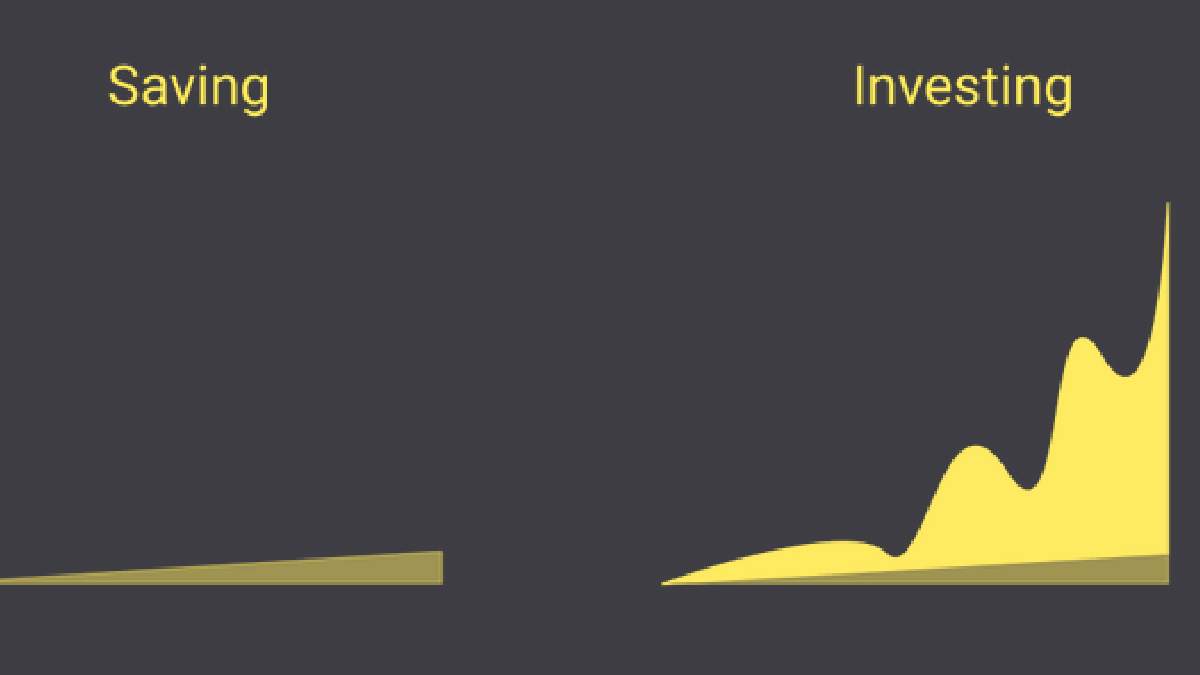
Saving is saving money for short-term needs, emergencies, and planned expenses. Savings are typically held in relatively easy-to-access and therefore safer accounts so that you can draw on them when you need them.
Emergency funds, payments for rent, education expenses, travel, or even buying things ahead of time are all part of savings.
So the biggest benefit of saving is security and access. You have your money when you have a surprise expense. But savings won’t grow much over time when inflation decreases the purchasing power of money.
Investing, on the other hand, is about putting money into assets that have returns over time. Investments can be stocks, mutual funds, bonds, exchange-traded funds, real estate, and other financial instruments. Investments can change in value and there are different levels of risk than traditional savings.
We invest in the long term for the purpose of wealth creation. Long-term investment can make your investment grow much more easily if money is put in place over time. Return on investment is not guaranteed, but market-based investments can also suffer losses.
What should come first
For many people, saving is the foundation before big investment risk is taken in. An emergency fund for a person’s life could provide a financial cushion in an emergency. And once enough savings are in place and high-interest debt is already in place, investing becomes an integral part of the long-term financial plan.
The right balance also depends on the individual. Someone who will buy a car in a year and wants to do so will get the best deal, and someone who will buy the same car over the next few decades and will also retire may want to go for a longer-term investment and take things in mind more carefully and take a risk tolerance/time horizon of a longer term.
Finding the Right Balance
Saving and investing are not foes. They’re not competing. Savings will mean you’re comfortable with what you have to do and have money to invest; investments will help you grow.
The other way to do it is to distribute income by financial priorities. And keep enough money available for emergencies and immediate needs and put any surplus funds into the long-term investment accounts.
All financial goals should be well understood and have a specific purpose, time horizon, and risk with every financial objective.
Cash that is needed now will be more stable and readily available, and money for short-term needs can be used to invest in the long term; long-term money for long-term goals, on the other hand, will be more likely to benefit from investment growth.
Thus saving gives you financial security and investing will create long-term wealth. A good financial life needs both.






Comments
Please to leave a comment on this article.