
Gold and silver have been traded for thousands of years, and represent wealth, money, and security. Both precious metals are regarded as value assets and popular investment options (and therefore they are valued in all aspects) but they are not the same in the modern world. Gold is more of a store of wealth and a safe-haven asset; silver is a dual investment and a working industrial metal.
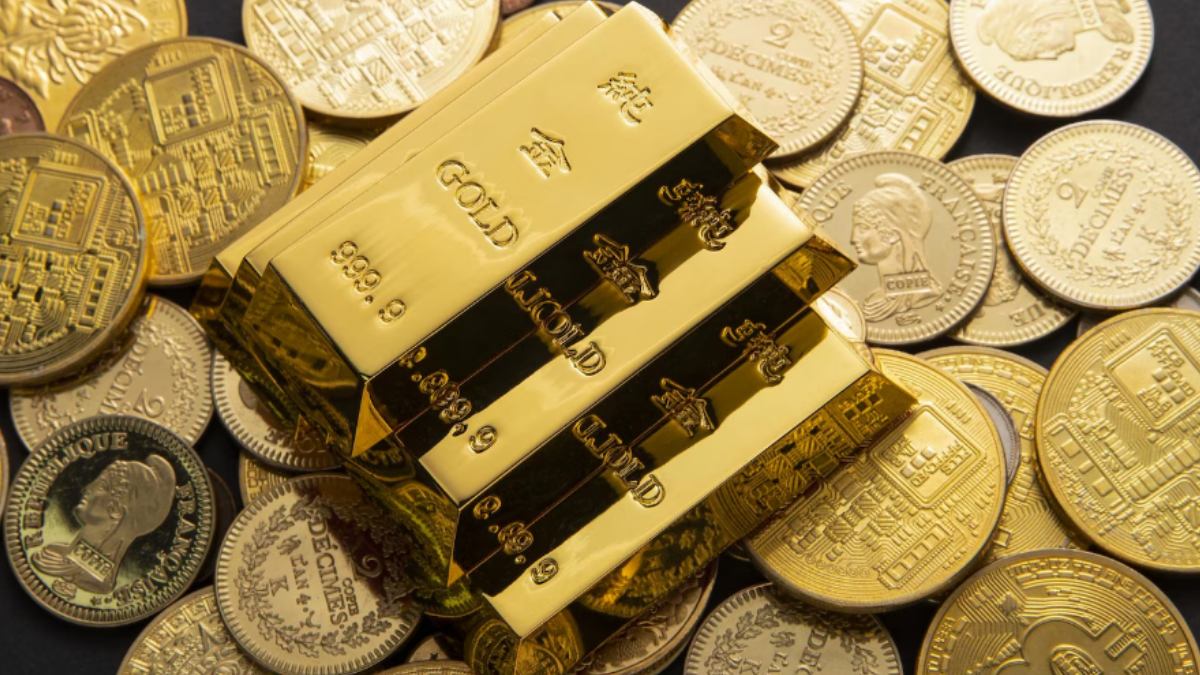
Gold and silver are, in fact, the most closely related products and one of the most important markets. Gold is still largely driven by the demand for investment, central banks and jewelry, and its reputation as a hedge against inflation and economic uncertainty. Investors are inclined to use gold when financial markets are unstable, geopolitical problems take place or currencies fluctuate and so they have a relatively stable option to store wealth.
Silver is different from all the other metals in that electronics manufacturers use silver in smartphones, computers, televisions, semiconductors and electrical circuits. In all these industries, because silver is one of the best conductors of electricity, the demand for silver is still very high.
Silver is also key to renewable energy generation. Solar panels need silver paste to get electricity out of the system. As the world is moving toward clean energy and more solar power is produced, silver demand from the renewable energy sector is at an all-time high.
Silver is also very important in the automobile sector and more so as electric vehicles (EVs) take off. Today’s vehicles have silver in electrical contacts, battery management systems, charging infrastructure, sensors and advanced electronic components. Generally, electric cars use more silver than gasoline cars because of the need for electrical systems.
Silver is used in medicine, for wound dressing, surgical instruments, medical devices, water purification systems and antimicrobial coatings. Such unique properties help to support industrial demand in an economic environment of uncertainty.
Gold, by contrast, has a relatively low industrial usage even though it is very conductive and resistant to corrosion. It is found in aerospace equipment, specialized electronics, medical devices and high-end connectors where reliability is key. But industrial demand accounts for only a small share of total gold consumption. Most gold demand is still from investment products, jewelry and central banks.
Gold is a safe asset from a long-term perspective in investment context. Investors buy gold bullion, coins, exchange-traded funds (ETFs) and gold-backed financial products to get a mix of diversified portfolio and protect from inflation or currency decline. Central banks also hold a lot of gold in their monetary strategy and gold is also a global store of value.
Silver investment has some similarities with gold but also has more volatility. Because silver prices are influenced by industrial demand and investor sentiments, they can have larger price swings in times of changing economic conditions. Strong industrial growth can boost silver prices while slowdowns in manufacturing may decrease demand despite investment interest.
Affordability is another important difference. Gold is more expensive per ounce, and therefore less attractive for smaller investors. Silver is much cheaper and it's a good choice to buy physical precious metal (and so it will be easy for them to start with for a very short amount of investment). This accessibility made silver extremely popular among first-time precious metal investors.
The ratio of gold to silver is closely watched by market analysts and a high ratio indicates that silver is relatively undervalued while a lower ratio indicates better performance of silver. But the ratio is only one of many factors to consider for a market opportunity evaluation.
Innovation and diversity are one of the primary reasons people buy both metals. Gold is stable and wealth preserving (especially in times of financial crisis) and silver is an industrial growth asset which can bring in the world’s biggest companies (renewable energy, electronics, healthcare and electric vehicles). Holding both metals may help a portfolio to be balanced with defensive qualities and long-term growth prospects.
As far as we know, there’s no good reason why either is better than the other; they are just different metals. Gold is still trusted as a good store of value and a good hedge against uncertainty, while silver is like an industrial commodity and investment asset. Knowing the economic forces that drive each market can help make investing decisions that are based on what is the right financial target, risk tolerance and the outlook for the world economy.





Comments
Please to leave a comment on this article.