
A monthly budget is probably the best financial management skill you have ever acquired. Poor budgeting is one of the key skills you can develop so you don’t know where your check went at the end of the month. Overspending, unplanned expenses and no savings are common problems people face when they don’t keep track of their income and expenses on a regular basis.

A well-organized monthly budget gives you control over your money. It helps you pay your bills on time, minimize unnecessary spending, build savings, manage your debt, and achieve long-term financial goals with confidence. Budgeting is not about restricting your lifestyle, it is about making informed decisions so your money works for you instead of disappearing every month.
Why is a monthly budget important?
A monthly budget is a financial roadmap. It shows how much money you earn, where it's going to be spent, and how much money you can save or invest. You can avoid financial surprises, prepare for emergencies, and reduce money-related stress with a budget.
In the world of business, you have to have your budget if you ever want to have a good career; you can't do that if you do not have a budget.
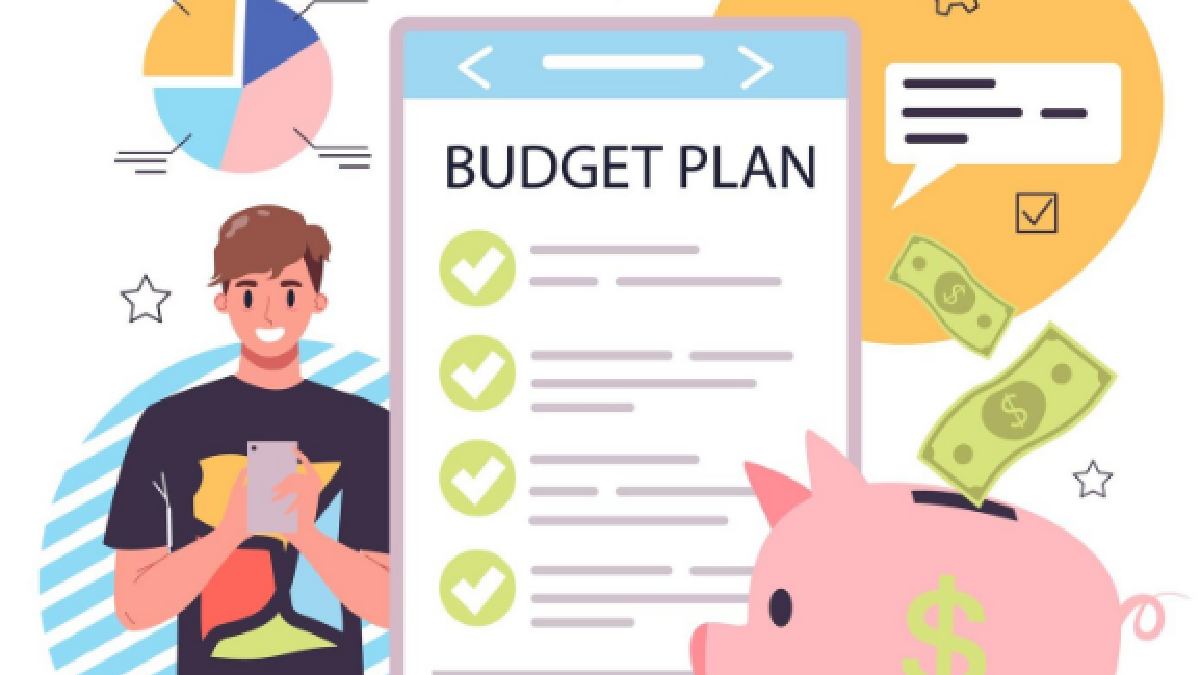
Step 1: Calculate Your Total Monthly Income
You first want to get a budget. So, calculate your total monthly income. Include all regular sources of income like:
- Salary or wages
- Business income
- Freelance earnings
- Rental income
- Investment income
- Any other recurring income
When you know exactly how much money is there in monthly dollars, you can plan for your expenses.
Step 2: Categorize Your Expenses
Next, divide your expenses into two categories: essential and non-essential.
Essential Expenses
These are some of the costs you must pay every month, like:
- Rent or mortgage
- Groceries
- Utility bills
- Transportation
- Insurance
- Education expenses
- Loan EMIs
- Healthcare costs
Non-Essential Expenses
These are discretionary expenditures that enhance your living, but are not necessities, such as:
- Dining out
- Entertainment
- Online shopping
- Streaming subscriptions
- Vacations
- Lifestyle upgrades
In this way, it is easier to see the areas you can reduce spending without compromising basic needs.
Step 3: Follow the 50/30/20 Rule
One of the simplest and most effective budgeting methods is the 50/30/20 rule.
- 50% of your income goes to essential needs
- 30% are lifestyle wants and personal spending
- 20% is used for savings, investment and debt repayment
So we’re able to combine enjoyment of the present with financial planning for the future.
Step 4: Pay Yourself First
Budgeting is paying yourself first. Instead of saving whatever you have left at the end of the month, you will transfer a fixed amount into your savings or investment account as soon as you get your income.
The automation of your savings makes for consistency and it ensures that saving is not just one of the secondary, but rather is a top priority and therefore becomes a priority and as a goal for you.
Step 5: Track Your Daily Spending
Small purchases have the biggest impact on your monthly budget. Coffee, food delivery, online shopping and subscriptions not only have costs that you may not have to pay individually but can make your savings very small.
For daily spending you can track your daily spending using:
- A budgeting app
- A spreadsheet
- A notebook
- Banking transaction records
Regular expense tracking helps you identify spending patterns and make smarter financial decisions.
Step 6: Build an Emergency Fund
An emergency fund is one of the key elements of every budget. Financial experts generally recommend saving enough to cover three to six months of essential living expenses.
Your emergency savings account is for unexpected situations, such as medical emergencies, job loss or urgent repairs, without relying on credit cards or loans.
Step 7: Review Your Budget Every Month
Budgets can’t remain unchanged forever. At the end of each month, take stock of income and expenses.
Ask yourself:
- Did I stay within my budget?
- Where did I overspend?
- Which expenses can I reduce next month?
- Did I meet my savings goal?
Regular reviews can help you improve your financial habits and adjust your budget as your income or goals change.
Managing a monthly budget is not about curbing your freedom—it is about giving yourself more control over your finances. A realistic budget allows you to spend with purpose, save consistently, reduce financial stress and prepare for the future.
Remember that financial success is built out of small, consistent actions rather than huge changes. You can build a strong financial foundation by calculating your income, arranging your expenses, following the 50/30/20 rule, paying yourself first, keeping a record of your spending, building an emergency fund, and reviewing your budget regularly.
Starting with a simple budget is a good way to start. With discipline, patience, and consistency, your monthly budget can become the key to long-term financial freedom, helping you achieve your goals and build lasting financial security.






Comments
Please to leave a comment on this article.