Debt could be a valuable financial tool in certain situations. For example, debt, borrowings, buying a home and expanding a business can be good for long term. But uncontrolled borrowing and poor financial habits can quickly turn debt into a long-term burden. Debt is often seen as just because you are poor, but in reality it is caused by overspending and poor financial planning, impulse buying and a lack of budgeting.
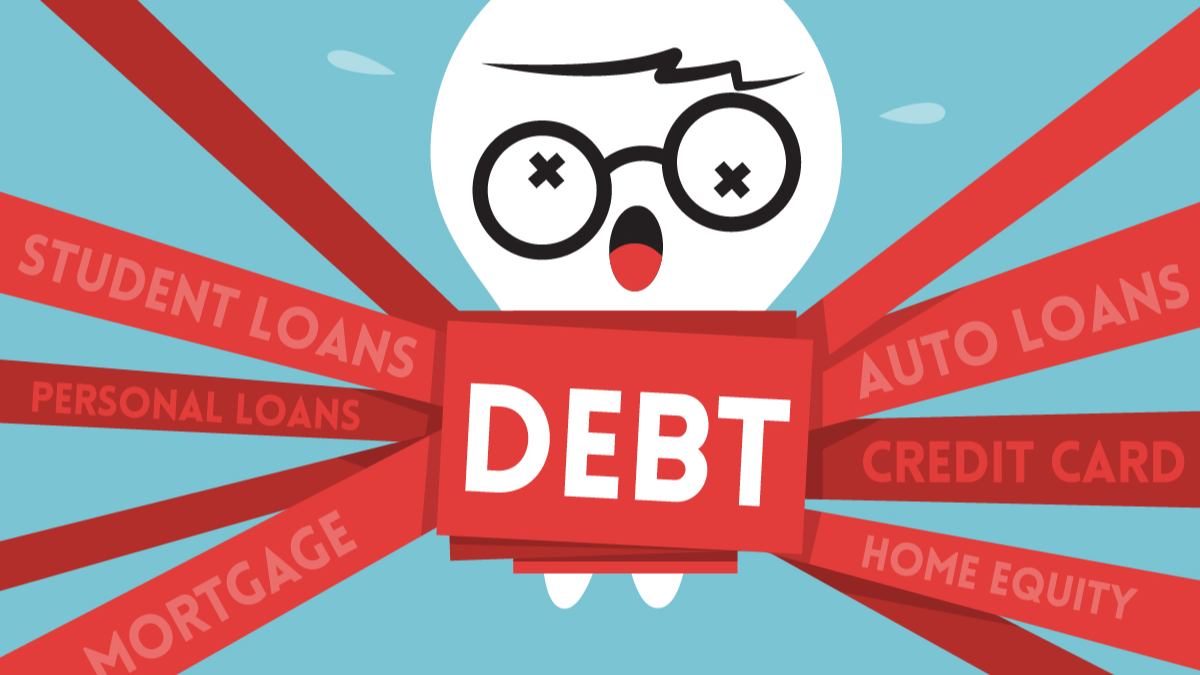
The good news is that there are ways to avoid debt with the right financial habits. At the end of the day it is about how you manage your income wisely, budget your expenditures and spend wisely and be thoughtful about when spending so you can maintain your money in a healthy way and build long-term financial stability.
Live Within Your Means
I think the ultimate debt-free life is spending less than you make. We need to spend less than you earn to be debt free. If your monthly expenses are so much more than what you make now and you get into debt you can never pay up, it is almost certainly not something you can afford to do on a monthly basis, and if you’re paying more than you earn, then borrow money.
When you start by knowing how much money you make every month and how much money you earn, then compare it to your total expenses. Living within your means does not mean giving up everything you enjoy, it means you have to make spending decisions that match your financial reality.
When you spend less than you earn, you create room for savings, investments, and future financial growth.
Create a Monthly Budget
One of the most efficient strategies in overcoming debt is a monthly budget. The purpose of every rupee is to make sure that we don’t spend money (unconsciously) and you have to budget for that and get things done in a month.
Bulk your income is divided into categories like:
- Essential living expenses
- Savings and investments
- Debt repayments (if applicable)
- Discretionary spending
Check your budget regularly and adjust it whenever your income or expenses change. A realistic budget helps you stay financially organized and prevents overspending.
Use Credit Cards Responsibly
Credit cards might be convenient and provide rewards, but they may also promote spending because the financial impact is delayed.
If you use a credit card:
- Only pay what you can afford to repay
- Pay the full balance by the due date whenever possible
- Don’t keep high-interest balances from month to month
- Never depend on credit cards for day-to-day expenses
Responsible credit card use cuts down on the interest on your credit card and protects your financial health.
Build an Emergency Fund
Unexpected expenses are one of the primary reasons people go into debt. Medical emergencies, job loss, vehicle repairs, or urgent home maintenance can put financial pressure on you if you are not prepared to handle it.
Emergency funds are a financial safety net. Aim for three to six months of the cost of essential living: pay a little money monthly and see if you can build an emergency fund so that you don’t need to borrow money when things get tough.
Control Impulse Spending
Impulse purchases often seem harmless, but they can quickly damage your budget.
So the 24 - to 48-hour rule before buying anything non-essential gives you time to determine if a purchase is really necessary or just an emotional one.
This simple habit can reduce unnecessary spending and help you stay focused on your financial priorities.
Save Before You Spend
One of the most effective financial habits is paying yourself first.
If you are not saving whatever remains at the end of the month, then deposit a fixed amount into your savings/investment account the second you get your income.
As a result, automating your savings just makes it simple to save up the money and reduces the temptation to spend money that you should save.
Avoid Lifestyle Inflation
As your income increases, you want to have a better life. But if you increase your spending every time you’re paid your salary then you can’t build wealth.
Instead of spending every additional rupee, use some of your increased income to:
- Boost your savings
- Increase your investments
- Pay off existing debt
- Strengthen your emergency fund
In the long run, lifestyle improvements together with financial discipline provide long-term security.
Improve Your Financial Knowledge
Financial literacy has been one of the best defenses against unnecessary debt.
Learning about topics such as:
- Budgeting
- Interest rates
- Credit scores
- Loans. Investing
- Insurance
- Retirement planning
The more you know about personal finance, the better equipped you are to protect your financial future.
Focus on Long-Term Financial Goals
Having clear financial goals makes it easier to resist unnecessary borrowing.
If you’re a homebuyer or a business owner or you’re planning to finance your children’s education or travel, keeping your long-term goal in mind will make your spending decisions better today.
Every dollar you avoid borrowing is a step toward greater financial freedom tomorrow.
Avoiding debt is not about not borrowing in every situation - it is about making responsible financial decisions and having control over your money. You should be in a healthy financial environment of living within your means, keeping your monthly budget, using credit responsibly, saving up for an emergency fund, avoiding impulse buying, saving consistently and maintaining financial knowledge.
Financial security is a habit set up that is much more sustainable than one-time change. Making well-thought-out decisions every month can relieve financial stress and keep you from debt-laden habits.
The journey to a debt-free life begins with one simple decision: take control of your money today so it can support your goals tomorrow.





Comments
Please to leave a comment on this article.