
The rights of persons with disabilities are fundamental human rights that guarantee that every person can live with dignity, equality, independence, and full participation in society.
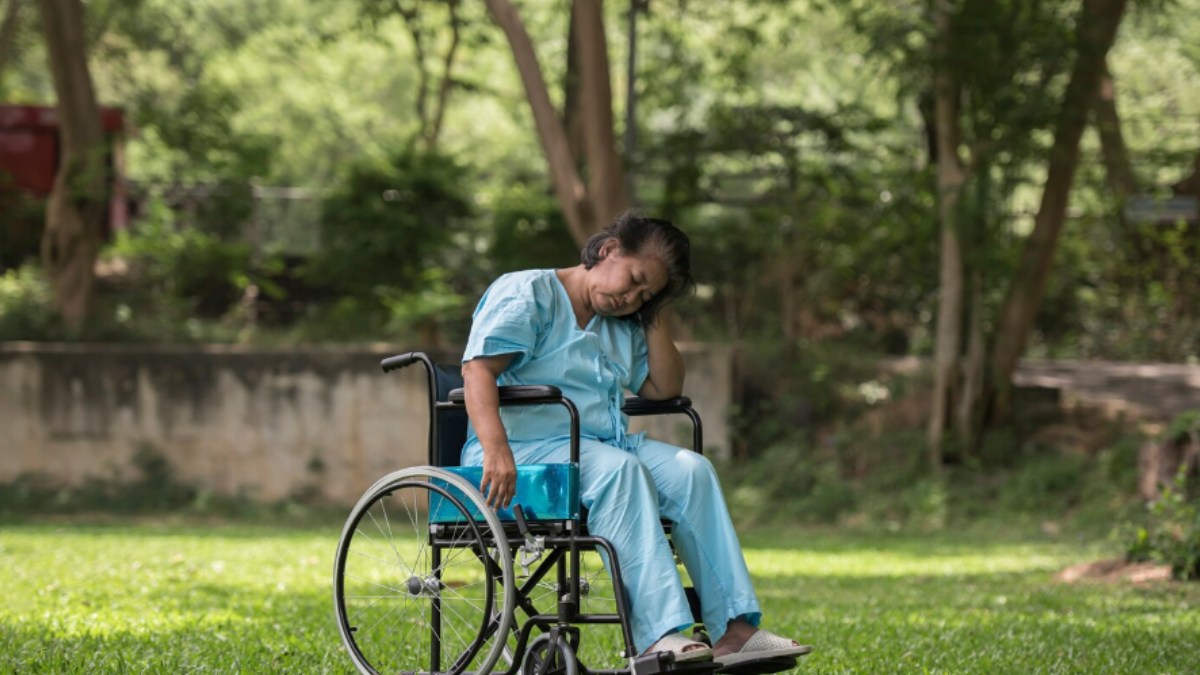
Across the world, governments, organizations, and communities are increasingly recognizing the need to create inclusive environments where persons with disabilities have equal access to education, employment, healthcare, transportation, public services, and opportunities for personal growth. In India, legal and policy reforms have strengthened the protection of these rights.
Disability is not only a medical condition but a social problem as well; physical, communication, technological and attitudinal barriers keep people from fully contributing to everyday life.
The current way of disability therapy is to eliminate those barriers rather than only focus on a person’s impairment. That kind of thinking is one of the things that encourages us to create environments where everybody is equally able to participate, whether that is physical, sensory, intellectual or psychosocial disabilities.
One of the most landmark legal frameworks in India is the Rights of Persons with Disabilities (RPwD) Act, 2016, which is a statement of the rights of persons with disabilities and the protection of human rights and rights against discrimination that is being established under the Act. It is to protect equal opportunity, equality of access, access to social security as well as education, employment and skills and participation at political and public level in India and to make sure the rights of people with disabilities are respected in India are protected. (As per UNCRPD, India is a signatory.)
Education is one of the most important rights granted to persons with disabilities. Inclusive education is the way that children with disabilities are able to be included in mainstream schools and be supported if they need it to thrive. Accessible classrooms, trained teachers, assistive technologies, learning materials in various formats and tailored education support all help students to reach their full potential.
Inclusive education not only benefits children with disabilities but also promotes empathy, respect and diversity within the entire community.
In education, job opportunities are essential and so are jobs. People with disabilities have skills and talent that can make their work in the workplace and economy better. There should be inclusive hiring practices and policies in public and private sectors, reasonable accommodation of all those with disabilities, eliminating discrimination in job placement and equal pay and job opportunities in order for them to work at the same rate as everyone else. Accessible work environments and flexible employment are essential for people with disabilities to work with an employee and do so effectively and independently.
Accessibility is the foundation of disability rights. Public buildings, schools, hospitals, transportation systems, government offices, digital platforms, websites and communication services should be designed so that persons with disabilities can use them safely and independently. Accessible toilets, Braille signage, sign language interpretation, captions, audio announcements, and screen-reader compatible websites are all ways to make public spaces more inviting for everybody.
Healthcare should be affordable and accessible to people with disabilities. All care should be accessible for preventive care, rehabilitation, assistive devices, mental health care and specialized medical services. Healthcare providers are now being encouraged to adopt disability-friendly practices that respect individual autonomy and are evidence-based.
Technology has provided new possibilities for inclusion. Wheelchairs, hearing aids, cochlear implants, screen readers, speech recognition software, Braille displays, communication devices and accessible mobile applications also help disabled individuals to study, work, communicate and work more independently. Digital accessibility has become ever more important as education, employment, banking, health care and public services all become online.
Social inclusion extends beyond legal rights. Public awareness is crucial to defeating stereotypes, diminishing stigma and promoting respect for diversity.
Community involvement should be encouraged through sports, arts, cultural activities, leadership roles, and community decision-making. Family, educational institutions, employers and civil society organizations must take the lead in building a place that makes people with disabilities feel valued and included in the community.
Government welfare schemes also provide support through scholarships, skill development programmes, financial assistance, accessible housing initiatives, livelihood support and rehabilitation services. These programmes aim to encourage economic independence and decrease barriers that may prevent equal participation in society.
Although there has been a lot of progress, there are still challenges. Many people with disabilities face obstacles of inaccessible infrastructure, discrimination, limited employment opportunities, lack of awareness and social misconceptions. Solutions to this need to be implemented with the policy framework and funding in place and accessibility guidelines enforced with public and private sector participation.
The very idea of disability rights is based on equality and human dignity. People with disabilities should not be treated as recipients of charity but as fellow citizens with rights and liberties as everybody else. Inclusive societies understand that diversity builds communities and there is a benefit for everyone; senior citizens, children, and people who have temporary mobility limitations.
With India’s efforts toward a more inclusive development, it is critically important to protect the rights of people with disabilities to achieve social justice and progress in a sustainable way. If we can improve accessibility, increase educational and employment opportunities, have technology inclusion and increase awareness, then one day every person, regardless of who they are, will be able to have a good life.





Comments
Please to leave a comment on this article.