
India is home to some of the most beautiful natural landscapes in the world, from the dense tropical forests and snow-covered mountain ranges to mangrove ecosystems and wildlife reserves.
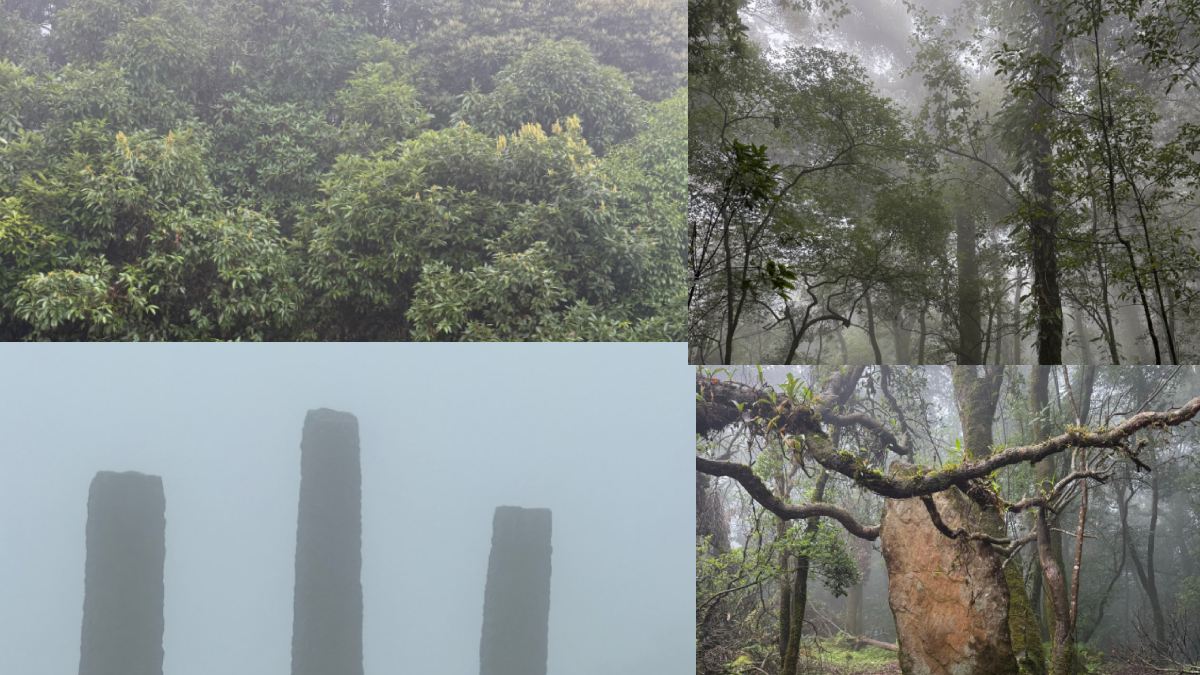
The country is a haven for nature lovers, wildlife enthusiasts, photographers, adventure seekers, and wildlife lovers. And whether you are looking for peaceful forest locations, beautiful jungle safaris, or beautiful trekking paths, the diverse ecosystems of India offer a lot to everyone.
One of the world’s most celebrated wildlife destinations is Jim Corbett National Park in Uttarakhand, India’s oldest national park. Besides the Bengal tiger population, the park has elephants, leopards, deer, crocodiles, and hundreds of birds. Jeep safaris, birdwatching, and views of the Himalayan foothills are all part of the natural landscape in the park’s lush forests and grasslands.
Kaziranga National Park, also a UNESCO World Heritage Site, is home to the world’s largest population of one-horned rhinoceros in Assam. These wetlands, forests, and grasslands support elephants, wild water buffaloes, swamp deer, and many migratory birds in the park. Jeep and elephant safaris bring visitors to the natural environment of wildlife in its natural habitat and not only for the first time; these are the animals and insects to see and touch.
In the southern part of Kerala, Periyar National Park has the most beautiful wooded forests, rolling hills, and a beautiful lake. So on boat cruises through Periyar Lake, elephants, gaur, sambar deer, and bird life in a forest that is very dense are visible to tourists. Nature walks and bamboo rafting are also offered for eco-tourism.
Bandipur National Park in Karnataka is part of the Nilgiri Biosphere Reserve and one of India’s best tiger reserves. The dry deciduous forests of the park house tigers, elephants, leopards, Indian bison, spotted deer, and many more species. It is also connected to neighboring wildlife reserves and forms one of the largest protected forest landscapes in southern India.
Great Himalayan National Park in Himachal Pradesh offers beautiful mountain views and biodiversity as a destination for tourists looking at pristine Himalayan beauty. The park is a UNESCO World Heritage Site and has alpine meadows, glaciers, dense forests, and a wide range of trekking routes. It is home to rare species such as the snow leopard, Himalayan tahr, musk deer, and Western tragopan.
The Sundarbans National Park in West Bengal offers an entirely different natural sight. The world’s largest mangrove forest, it is home to the elusive Royal Bengal Tiger that is adapted to tidal mangrove sites. Water boat trips can take visitors to the area and see crocodiles, spotted deer, fishing cats, and an array of birds.
Valley of Flowers National Park is also in Uttarakhand and in the monsoon season is a lush floral paradise. Thousands of bright alpine flowers bloom across the valley that attracts botanists, photographers, and trekkers from all over the world. Then the surrounding Himalayan peaks add to the scene’s beauty.
The lush forests of Silent Valley National Park in Kerala are considered one of the last untouched tropical rainforests in India. Fully endemic to the plant life and wildlife, the park also has lion-tailed macaques, Nilgiri langurs, giant squirrels, and so many rare bird species. Conservation efforts have kept it in good shape so far.
In central India, Kanha National Park in Madhya Pradesh inspired Rudyard Kipling’s famous book The Jungle Book. In large meadows, bamboo forests, and sal woodlands, tigers, leopards, sloth bears, wild dogs, and the endangered hard-ground barasingha are all found in the park. Safari trips are so popular that Kanha is one of India’s most popular wildlife spots.
Nature tourism in India is not only about wildlife. It is, of course, climate regulation, water conservation, biodiversity protection, and local livelihoods that are all also affected by forests. Many protected areas promote eco-tourism too, so that sustainable travel practices are made to promote conservation and in turn benefit the local community.
As tourists’ focus turns more and more to sustainable tourism experiences, they are also choosing eco-friendly tourism experiences that minimize environmental impact. Ethical tourism in the park: no littering, safe distance from wildlife, and the support of local guides and conservation and ecological balance are part of a responsible tourism program. Today many destinations have nature interpretation workshops for visitors on conservation and ecological balance.
India’s forests also hold great cultural and spiritual significance. For centuries, tribal communities have been living in harmony with these ecosystems and have carried with them the traditional knowledge of medicinal plants, wildlife, and sustainable resource use. Their contribution is invaluable to conservation.
India’s forests are places to be seen through a tiger’s eyes (you dream of seeing a tiger out in the wild, walking through alpine forests in the mountains, sailing on mangrove waters, or just sitting in the bliss of untouched nature), and its forests are places you can’t forget. From each of the destinations you go to, we have been able to see all the amazing beauty of India’s natural heritage and ecology, which makes India one of the best in the world for eco-tourism and wildlife.





Comments
Please to leave a comment on this article.